Last updated October 30, 2026
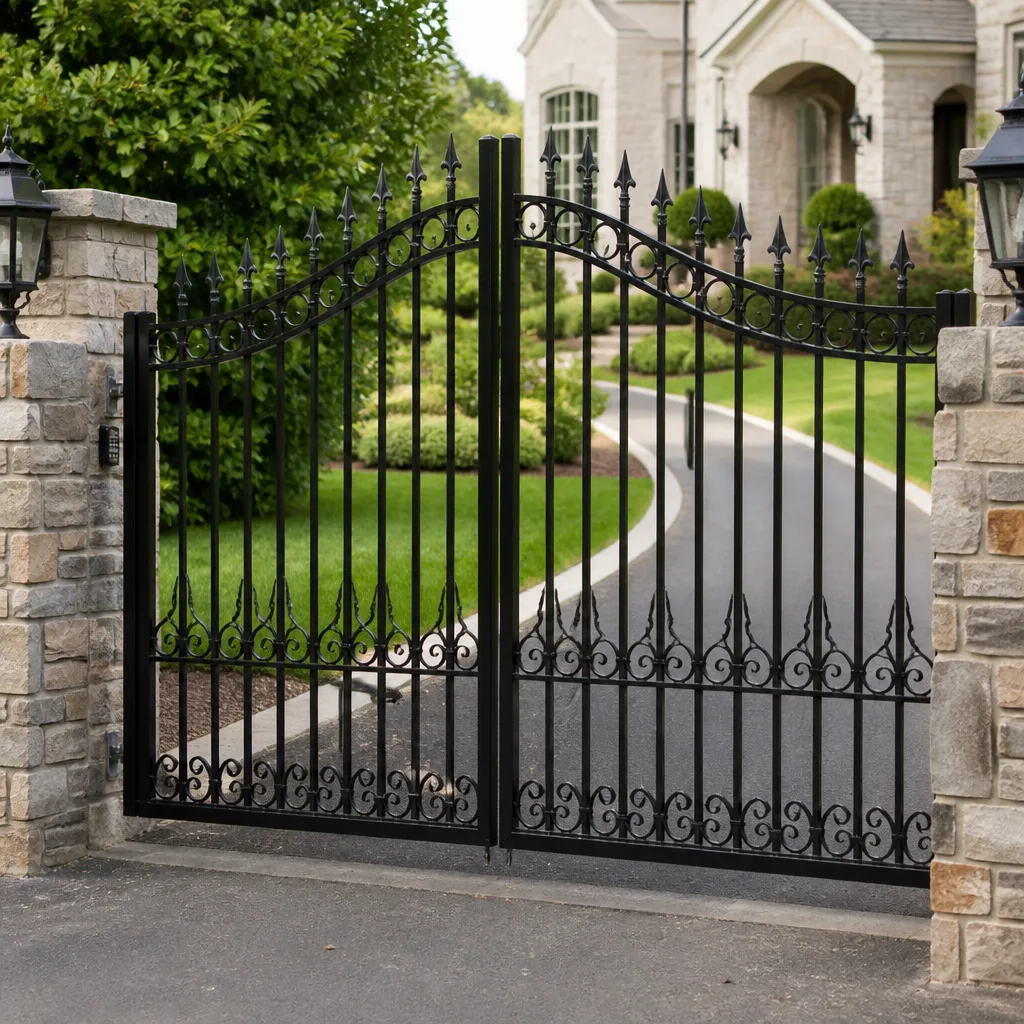 Wrought iron
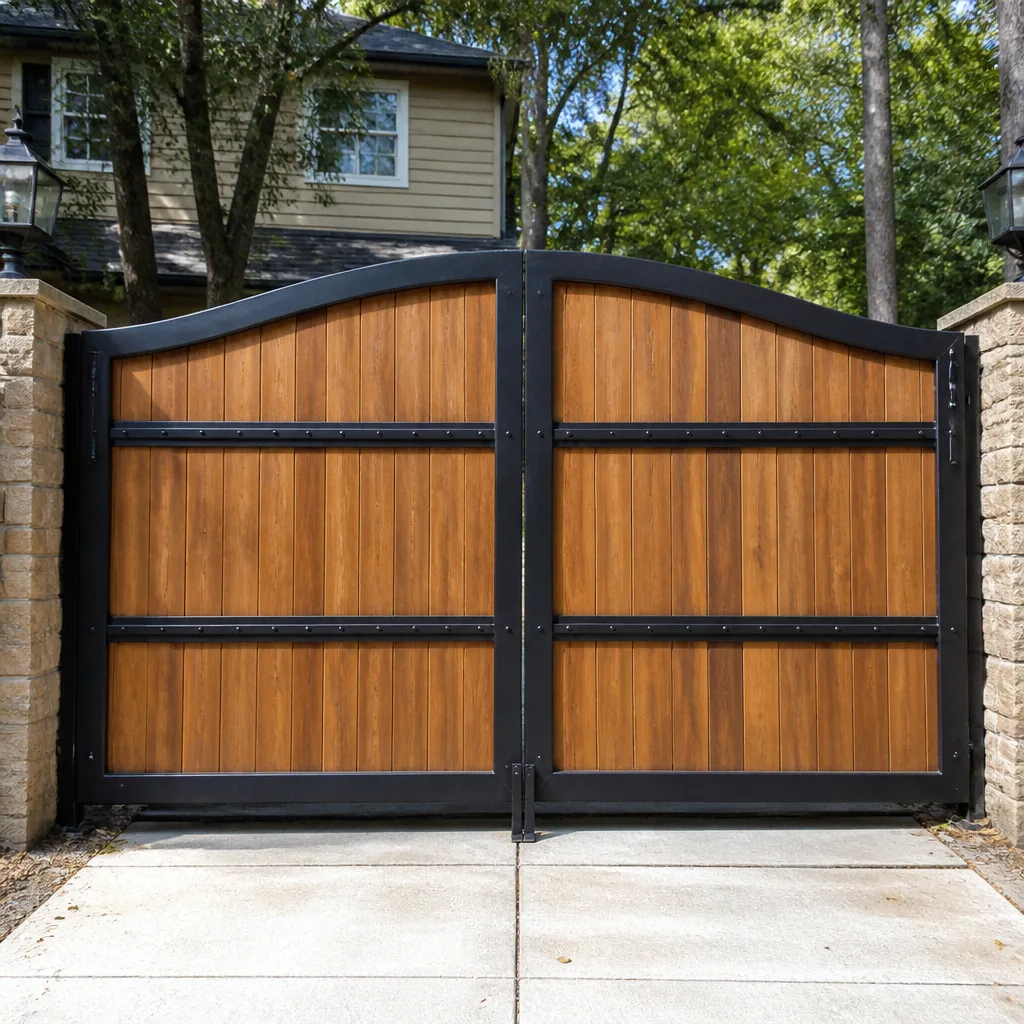 Wood & steel frame
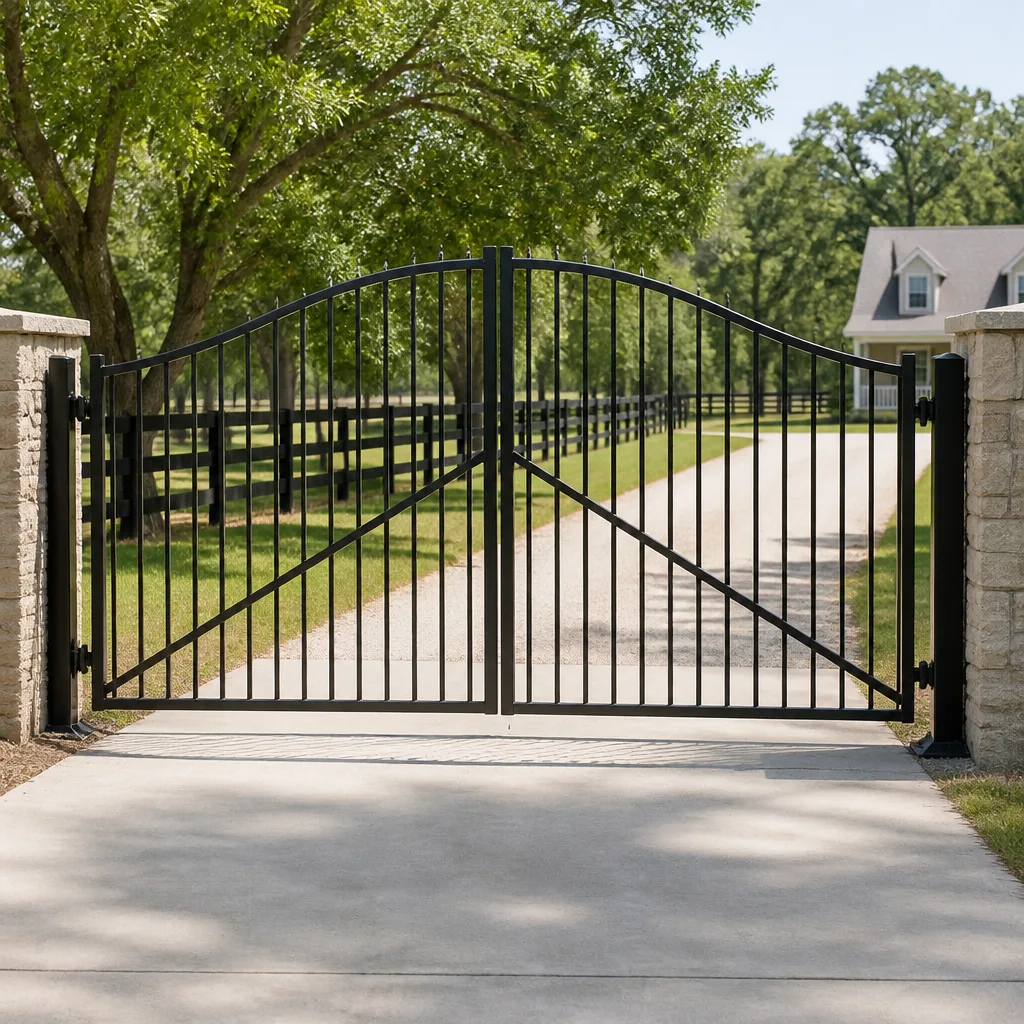 Farm & ranch
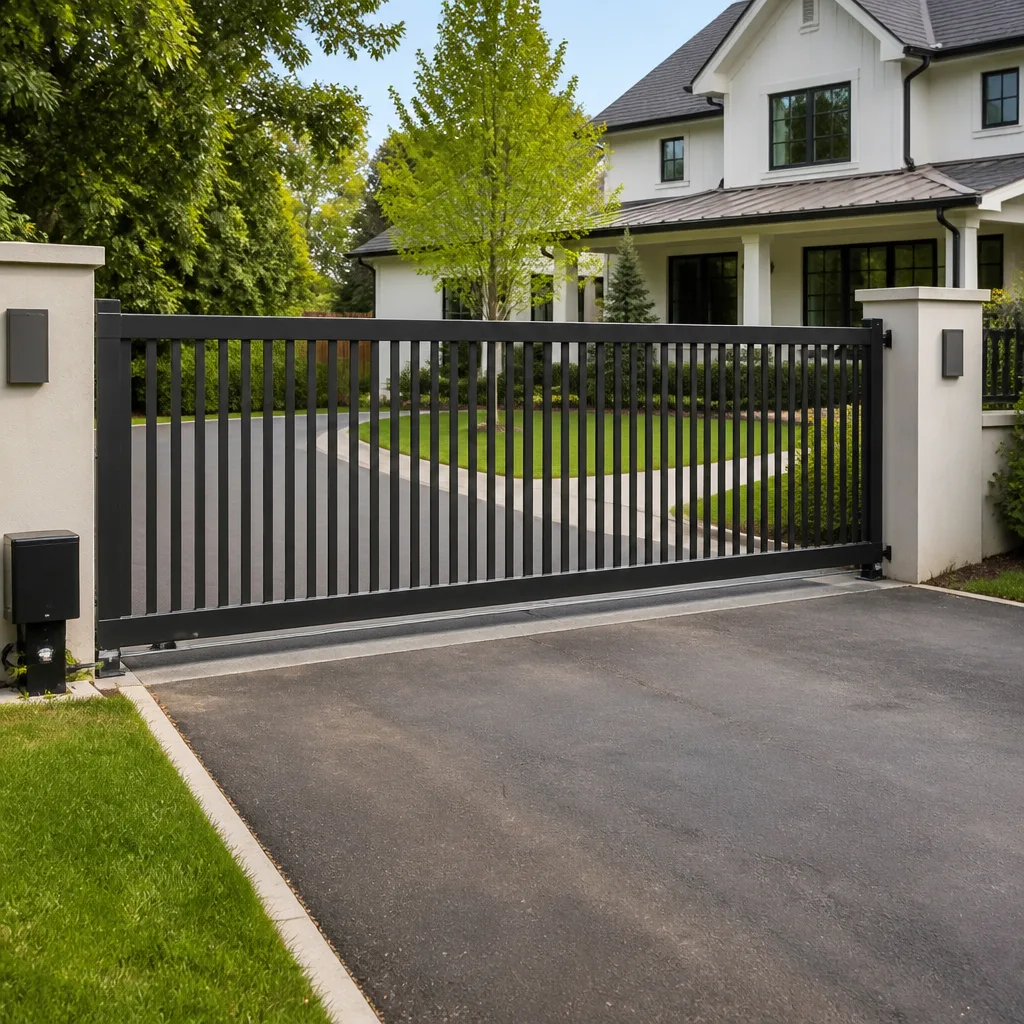 Sliding driveway gates
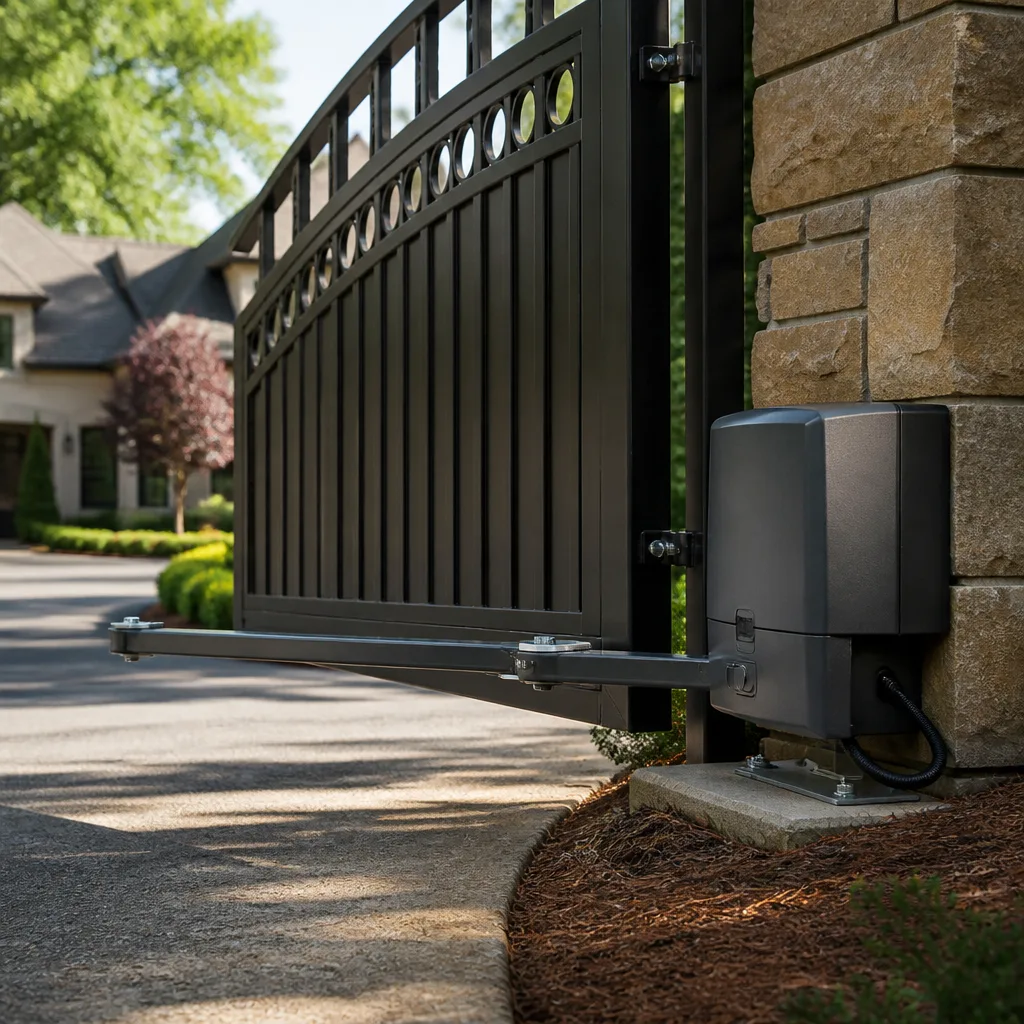 LiftMaster operators
Free on-site gate assessment - hinges, posts, and your LiftMaster or Nice gate operator checked before anything is quoted
The assessment is free and the quote is the invoice.
Get your free estimateThe Complete Gate Repair Guide for Miami Gardens Homeowners
Most gate failures in Miami Gardens don’t happen during a storm. They happen 60 to 90 days after one, once the moisture that crept into your operator housing has had time to corrode the circuit board. This is the failure pattern we see again and again at Archway Gate Repair home, and it’s completely predictable once you understand the local climate. This guide maps that timeline so you can catch a $180 repair before it becomes a $3,500 replacement. You’ll learn which components fail first in Miami Gardens, what a proper diagnosis looks like, what the county permits, and when a repair makes more sense than a new gate.
Quick Answer
Gate repair in Miami Gardens typically costs between $180 and $850 depending on whether the problem is mechanical (hinges, wheels, track) or electrical (control board, motor, sensors). Most repairs are completed the same day the technician arrives, and the most common failure point in this climate is the control board inside the operator housing, corroded by humidity and salt air from Biscayne Bay. A specialist who recognizes your gate brand before arriving will diagnose it faster and fix it right the first time.
Styles & brands we work with
Table of Contents
- Why Miami Gardens Climate Destroys Gate Components
- The First Components to Fail in Miami Gardens
- Miami Gardens Gate Types and Their Common Failure Patterns
- How to Distinguish Cosmetic Damage from Structural Failure
- Miami-Dade County Permits for Gate Work
- The Miami Gardens Gate Maintenance Calendar
- Repair vs. Replacement: How to Decide
- Common Mistakes to Avoid
- When to Call a Professional
- Frequently Asked Questions
Why Miami Gardens Climate Destroys Gate Components
Miami Gardens sits close enough to Biscayne Bay that salt-laden air travels inland with the afternoon breeze. That salt settles on metal surfaces, then combines with the humidity that rarely dips below 60% from June through November. The result is an environment that ages gate hardware about twice as fast as inland South Florida, and several times faster than most national repair guides assume.
Here’s what that means in practical terms. A gate operator housing is not completely sealed. It breathes. Every time the internal fan cycles, or the sun heats the exterior, moist air gets pulled inside. In drier climates, that moisture evaporates. In Miami Gardens, it lingers. It condenses on the cool circuit board at night. Within weeks, corrosion begins on solder joints and connector pins. Within months, the board begins to fail intermittently. Within a year, it often needs replacement if the housing was not installed with the proper gaskets and breather vents.
This is the single most expensive weather-related failure we see, and the one most often misdiagnosed by general handymen who replace the motor when the real problem is a $220 control board.
The Salt Air Effect on Hardware
The hardware itself, including hinges, weld points, and the gate track, corrodes from the outside in. Galvanized steel develops white oxide spots. Powder-coated aluminum fares better, but any scratch in the coating becomes a corrosion point. Stainless steel hinges resist the salt air well but cost more, which is why many economy gate installations from the early 2000s are now showing hinge failure across Miami Gardens.
Hurricane Season Humidity Spikes
From June through November, Miami Gardens experiences sustained humidity above 80% for days at a time. This is the critical window. If your operator housing has even a small crack in its gasket or a worn cable gland, this is when the interior becomes saturated. The damage does not show immediately, which is why the 60-to-90-day delay catches so many homeowners off guard.
The First Components to Fail in Miami Gardens
When we talk about failures in this climate, there’s a clear sequence. Knowing this sequence helps you understand what the technician is checking, and it helps you decide whether a repair quote is honest—something we cover in depth in our DIY vs Professional Gate Repair: The Miami Gardens Homeowner’s Decision Guide.
- Control board. The circuit board inside the operator housing is the most climate-sensitive component. Look for burn marks on the board, blown capacitors, or green-tinted corrosion on the pins. In Miami Gardens, this is the number one reason an electric gate stops responding to remotes or keypads.
- Battery backup. Many operators have an internal battery for power failures. The heat inside the housing shortens battery life dramatically, often to 18 months or less. A failing battery can cause the same erratic behavior homeowners mistake for a motor problem.
- Photo eye sensors. The safety sensors at the base of the gate get coated in dirt, dust, and salt film. Condensation can also short the sensor’s internal wiring. The gate refuses to close if the sensor is dirty or failed, which at least fails safe rather than unsafe.
- Hinges and weld points. These fail slowly, then suddenly. You may hear a scraping sound for weeks before the gate begins to sag. On swing gates, a failing lower hinge forces the gate leaf down, so the latch no longer aligns. On slide gates, worn wheel bearings produce a grinding noise and jerky movement.
- Remote controls and receivers. The receiver inside the operator can suffer the same condensation damage as the control board. But remotes themselves also fail from being dropped, left in hot cars, or having their buttons worn. Before replacing the receiver, a good technician tests with a known-good remote.
Signs Your Gate Is Suffering Climate Damage
- The gate opens but will not close, or closes but will not open.
- The keypad or remote works only intermittently, especially after rain.
- You hear a humming sound but the gate does not move.
- The gate moves slower than it used to, especially in the morning.
- There is visible rust or white corrosion around the operator housing or hinges.
- The gate reverses unexpectedly while opening or closing.
In our experience, any two of these symptoms together usually point to moisture inside the housing. That is a diagnosis based on brand knowledge and climate familiarity, not trial and error.
Miami Gardens Gate Types and Their Common Failure Patterns
Miami Gardens is not a single gate market. The city’s HOA-heavy communities, like Norwood and Lake Lucerne, tend toward automatic swing gates and slide gates on steel or aluminum frames. Single-family homes on larger lots often have ornamental aluminum gates with manual operation or a residential slide operator. Commercial properties along the major corridors use barrier arm gates, cantilever slide gates, and high-cycle operators.
Each installation type fails differently in this climate. Here is what we see most often.
Swing Gates in HOAs
Norwood and Lake Lucerne feature many pedestrian and vehicle swing gates installed in the 1990s and early 2000s. The original operators were often Mighty Mule residential units, which are reliable but are not sealed for Miami Gardens humidity levels. When these operators fail, it is usually the control board first, the drive arm second, and the hinges third. The gates themselves are often salvageable, which supports a repair-first approach—one reason we published The Complete Guide to Gate Repair in Miami Gardens.
Slide Gates on Residential Properties
Slide gates rely on wheel bearings running along a steel track. Salt air rusts the track surface, which creates friction the motor must overcome. The motor works harder, draws more current, and eventually trips its thermal overload. Many slide gate “motor failures” in Miami Gardens are actually track and bearing problems. Replacing the motor does not fix a rusted track.
Commercial Gates and Barrier Arms
Commercial operators like DoorKing and Elite are built for higher duty cycles, but they are still vulnerable to the same condensation. In commercial settings, we also see damage from vehicle strikes, which can bend the gate frame or knock the track out of alignment. A damaged track on a commercial slide gate is a safety issue, not just an inconvenience.
How to Distinguish Cosmetic Damage from Structural Failure
After a strong storm, homeowners in Miami Gardens often call about a gate that looks damaged. The first question is whether the gate is still safe to operate. The second is whether the damage is cosmetic, meaning it can wait for a scheduled repair, or structural, meaning the gate should be secured and repaired immediately.
Cosmetic Damage: What It Looks Like
- Scratches or dents in the gate surface from storm debris.
- Peeling powder coating where a branch or flying object struck the gate.
- A bent picket or decorative element that does not affect the gate’s frame.
- Dirty guide rollers or a track full of leaves and sand.
Cosmetic damage can usually wait. Clean the track, note the dent, and schedule a repair when convenient. The gate should still open and close without unusual noise or resistance.
Structural Damage: What It Looks Like
- The gate sags visibly when open, or the latch no longer lines up.
- You can see cracks in the weld joints where the gate attaches to the hinges.
- The gate wobbles side to side when you push on it lightly.
- The operator housing is dented, cracked, or shows signs of water entry.
- The gate binds against the ground or the track as it moves.
Structural damage requires a specialist in Gate Repair in Miami Gardens. Continuing to operate a structurally compromised gate damages the operator, wears the hinges further, and risks a complete failure that can injure someone. Secure the gate in the open or closed position, disable the operator, and call for an assessment.
Miami-Dade County Permits for Gate Work
This section catches many homeowners off guard. In Miami-Dade County, some gate work requires a permit and some does not, and the distinction is not always intuitive.
What Typically Requires a Permit
- Replacing an electric gate operator or motor. Because the operator is connected to electrical power and the safety systems are regulated, the county treats this as a permitted scope of work.
- Installing a new automatic gate system. Any new installation involving wiring, safety sensors, and a control system requires a permit.
- Modifying the gate’s physical structure. Widening an opening, changing from a swing gate to a slide gate, or relocating the posts requires structural review.
What Typically Does Not Require a Permit
- Simple mechanical repair. Replacing hinges, wheels, or guide rollers does not usually require a county permit.
- Replacing a control board or photo eye sensor. This is considered a component-level repair, not a system change.
- Lubricating and adjusting an existing gate. Routine maintenance does not require a permit.
The safest approach is to ask your repair specialist. A company that handles Electric Gate Repair in Miami Gardens regularly will know what the county requires for your specific situation and can tell you before the work begins. Do not accept a vague answer. Permit violations can complicate a future property sale and create liability if the gate later fails.
The Miami Gardens Gate Maintenance Calendar
Generic gate maintenance guides tell you to inspect your gate in spring and fall. That advice is meaningless in Miami Gardens. We have two seasons: wet and dry. The wet season is when damage begins. The dry season is when it becomes visible. Here is a maintenance schedule built for our actual climate.
April to May: Pre-Wet-Season Check
- Inspect the operator housing gasket and cable glands for cracks or gaps. Replace as needed.
- Test the gate’s full open and close cycle three times, listening for changes in motor pitch.
- Clean photo eye sensors with a soft cloth. Do not use glass cleaner, which leaves a film.
- Lubricate hinges, wheel bearings, and the track with a lubricant rated for humid, salt-exposed environments.
- Check the battery backup, if equipped. Replace if it is more than two years old.
June to November: Wet-Season Vigilance
- After any heavy rain event, check whether the gate’s behavior changed. Intermittent remote function is often the first sign of moisture in the housing.
- Keep the track free of debris. Sand and leaf matter accelerate wheel bearing wear.
- If you notice a slight hum but no movement, stop using the gate and disconnect power to avoid burning out the motor.
- Do not pressure-wash the operator housing. Water enters through seals and cable entries, even on “weatherproof” units.
December to March: Dry-Season Repair Window
- This is the best time for repairs that require the operator to be open for extended periods, like control board replacement or full rewiring.
- Inspect all weld joints while the air is drier. Cracks are easier to see without surface moisture.
- Repaint or touch up any corrosion spots on the gate frame.
- Schedule any permit-required operator replacement work, since dry-season scheduling is more predictable.
Following this calendar does not eliminate failures. But in our experience it shifts the failure mode from catastrophic and expensive to early and manageable.
Repair vs. Replacement: How to Decide
A repair-first philosophy means we look for the honest fix before recommending a new gate. But there are times when repair costs approach replacement, and honesty means telling you that too. Here is the decision framework we use.
Repair Makes Sense When:
- The gate structure itself is sound; only the operator, control board, or a mechanical component failed.
- The operator is less than 10 years old and parts are still available.
- The repair cost is less than 50% of the cost of a comparable new system.
- You are satisfied with the gate’s function and appearance, and you just want it moving again.
Replacement Makes Sense When:
- The gate frame is rusted through, cracked at multiple weld points, or sagging beyond adjustment.
- The operator is obsolete, and parts are no longer manufactured or are prohibitively expensive.
- You want to convert from manual to automatic operation, which usually means a new operator, wiring, and safety sensors anyway.
- The repair estimate is approaching 70% of the cost of a new system.
If replacement is the right call, Gate Installation in Miami Gardens is part of what we do, from the motor to the hinge. You never need a second company to finish what the diagnosis started.
What a Fair Repair Estimate Includes in Miami Gardens
- The diagnostic finding, explained in plain language. If the technician cannot tell you which component failed and why, ask for a second opinion.
- A line-item breakdown of parts and labor. The parts cost should reflect the actual brand and model on your property.
- The total price, quoted and agreed before any work starts. No surprises on the invoice.
- The expected service life of the repair. A hinge replacement might last 5-10 years; a control board 3-5; a battery 1-2.
Common Mistakes to Avoid
- Replacing the motor before checking the control board. In Miami Gardens humidity, the board is more likely to fail than the motor itself. A control board replacement costs $220-$450; a new motor can run $800-$2,000. Diagnose before you replace.
- Pressure-washing the operator housing. Water enters through the seals and destroys the electronics from inside. Wipe the housing with a damp cloth instead.
- Ignoring slow movement. A gate that moves slower than it used to is working harder than it should. That extra load shortens the motor’s life and increases the chance of a mid-cycle failure.
- Lubricating with the wrong product. Household oils like WD-40 attract dust and wash away in rain. Use a lubricant designed for gate hardware in humid, salt-exposed environments.
- Disabling the safety sensors. When a gate refuses to close, some homeowners bypass the photo eye sensors. This is dangerous, especially with children and pets nearby, and it violates the gate’s safety rating.
- Calling a general handyman for an electric gate. A Gate operator from Ghost Controls, DoorKing, or Elite has brand-specific failure modes. A generalist will often replace parts until the gate works again, and you pay for every wrong guess.
When to Call a Professional
Call a gate specialist when the gate stops responding, moves erratically, makes a grinding or humming noise, or shows visible sag or weld cracks. Call the same day if the gate will not close at all, since an open gate is a security issue for your property. Call when the keypad or remote works intermittently after rain, because that is moisture in the system and it will not fix itself. Archway Gate Repair offers free estimates in Miami Gardens. Call (855) 360-5306 and we will have a technician who knows your gate brand diagnose it before the invoice is written.
Frequently Asked Questions
Gate repair in Miami Gardens typically costs $180 to $850. Simple mechanical repairs like hinge, wheel, or latch replacement run $180-$450. Electrical repairs like control board, receiver, or sensor replacement run $220-$600. Full motor replacement runs $800-$2,000 depending on brand and duty cycle. Always get a price quoted and agreed before any work starts.
Yes, most electric gate repairs can be completed the same day the technician arrives, especially component-level repairs like control boards, sensors, and remotes. Parts for common brands like Ghost Controls, DoorKing, Elite, and Mighty Mule are usually available from local suppliers. Call (855) 360-5306 for a free estimate and to check today’s schedule.
We work on the brand already on your property. Our technicians are factory-familiar with nine major gate brands, including DoorKing, Elite, Ghost Controls, and Mighty Mule, among others. That means we know each system’s specific failure points before arriving on site, which reduces both labor time and parts guesswork.
Yes, replacing an electric gate operator or motor typically requires a permit in Miami-Dade County because the operator is connected to electrical power and regulated safety systems. Simple mechanical repairs like hinge or wheel replacement usually do not. A qualified gate specialist can tell you which applies to your job before work begins.
Intermittent operation in Miami Gardens is usually caused by moisture inside the operator housing, which corrodes the control board or creates short circuits on the sensor wiring. It can also be a failing battery backup or a worn remote control receiver. This problem will not self-correct, and it often becomes permanent within weeks. Call (855) 360-5306 for a diagnosis before it strands you outside your own gate.
Repair when the gate structure is sound and the repair cost is under 50% of the cost of a comparable new system. Replace when the frame is rusted through or cracked, the operator is obsolete, or the repair estimate approaches 70% of new system cost. We are a repair-first company: diagnosed, not guessed, and we recommend replacement only when it is the honest answer.
The Bottom Line
Gate failures in Miami Gardens follow a predictable pattern tied to our humidity, salt air, and wet-season storms. The control board fails first, often 60 to 90 days after a storm, and the symptoms look like motor problems if you do not know what to check. The right maintenance calendar, the right brand knowledge, and a repair-first approach will keep your gate running years longer and save you thousands over premature replacement. When the gate stops behaving, get it diagnosed by a specialist who knows the brand on your property. That is what we do at Archway Gate Repair: from the motor to the hinge, repaired right the first time. Call (855) 360-5306 for a free estimate in Miami Gardens.
Written by the team at Archway Gate Repair, serving Miami Gardens since 2011.
See the difference
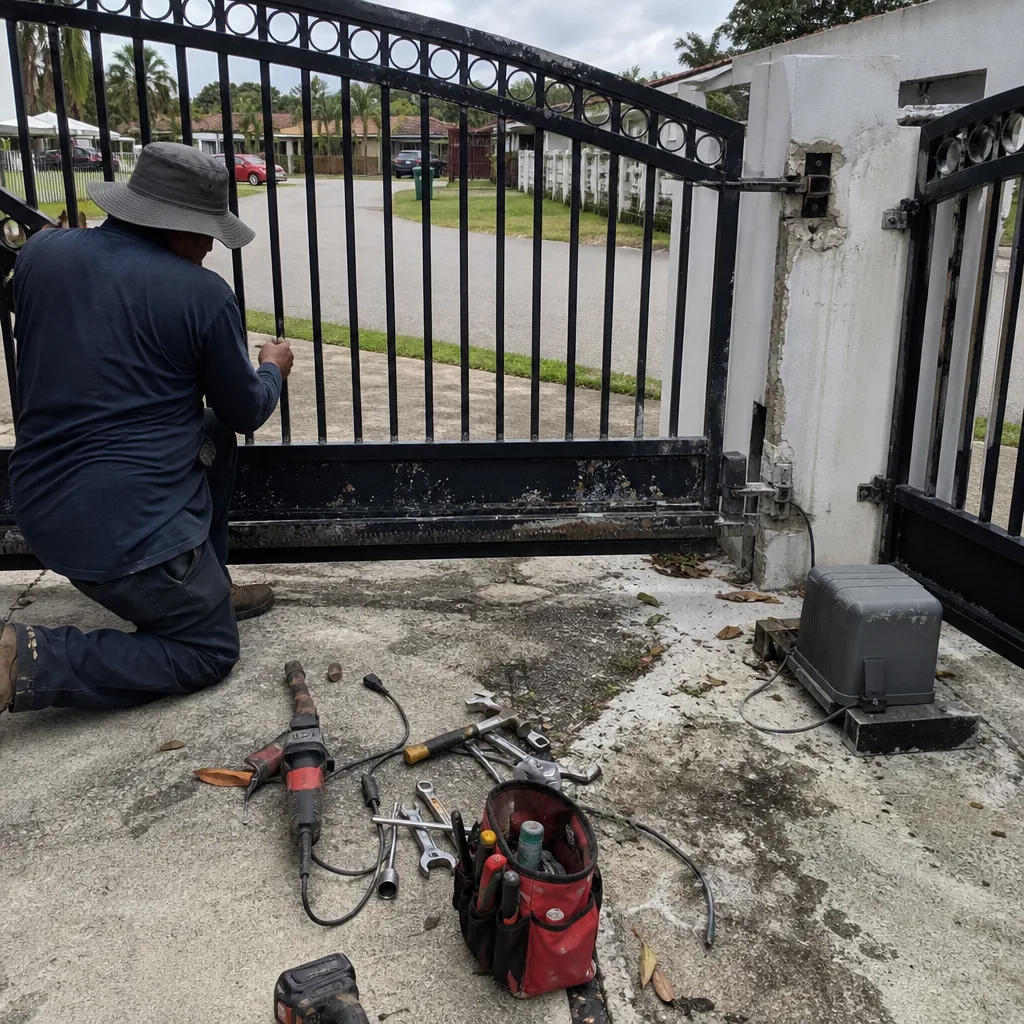 Before
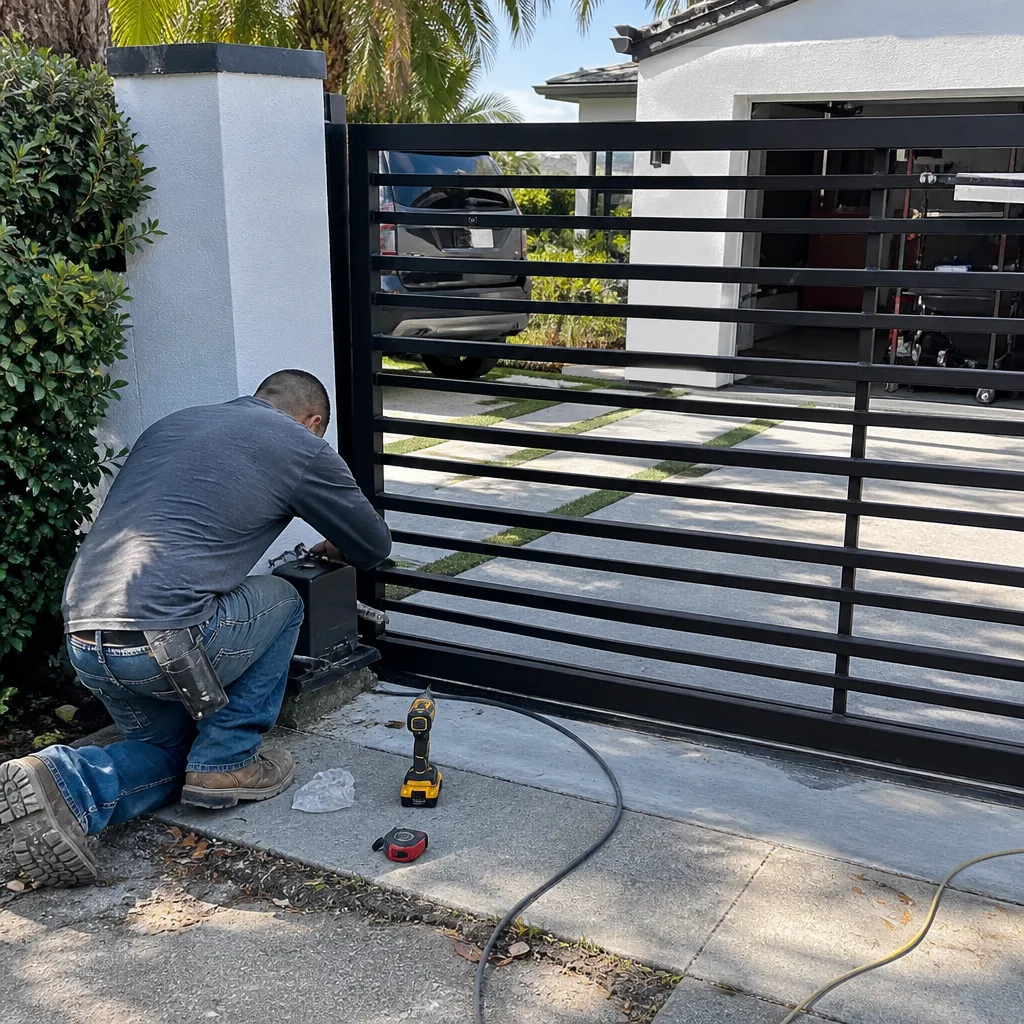 After
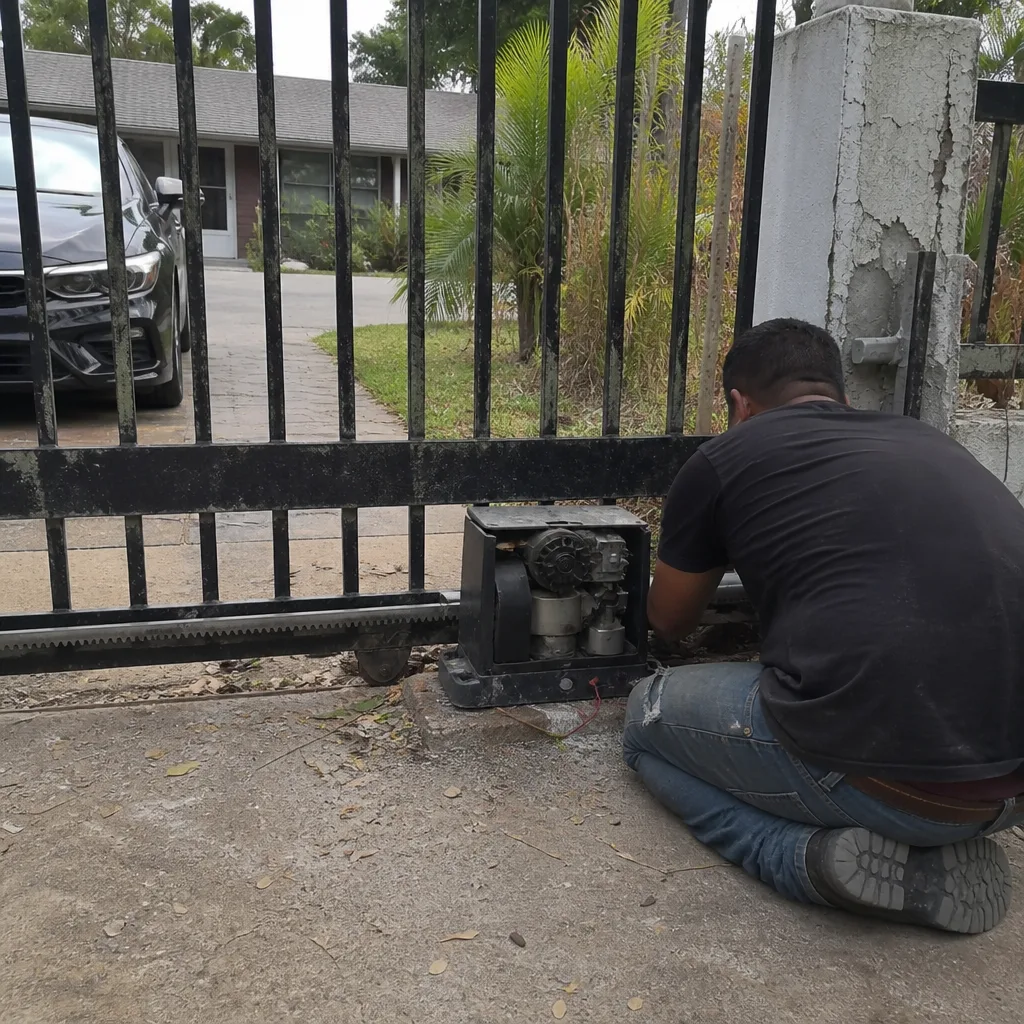 Before
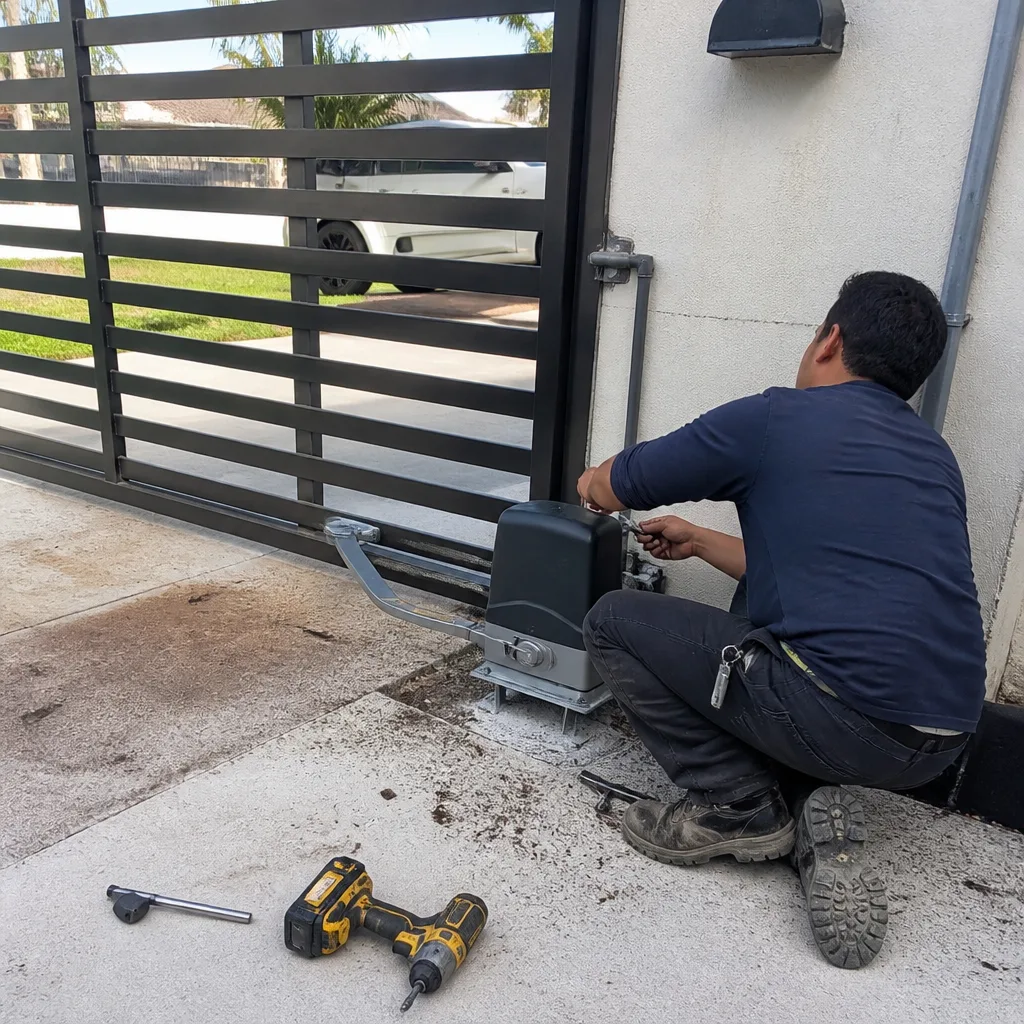 After
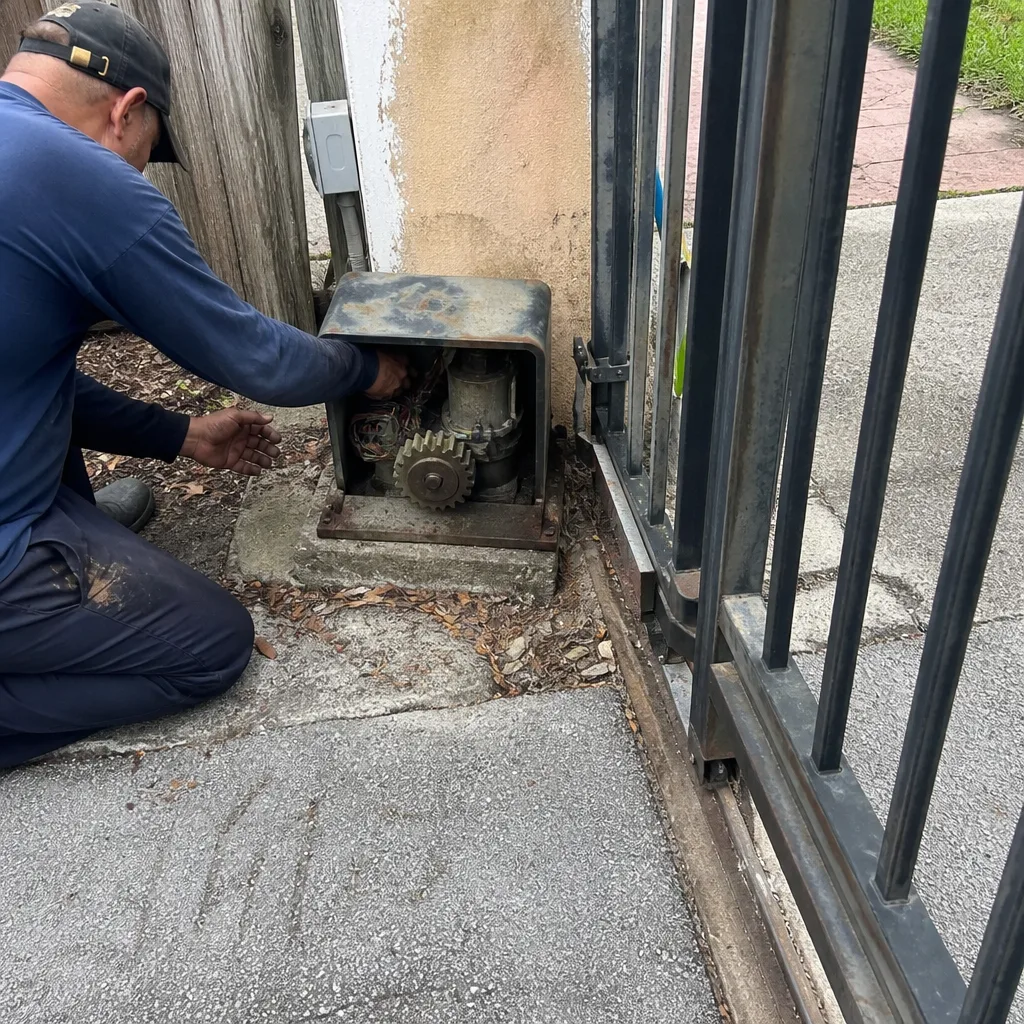 Before
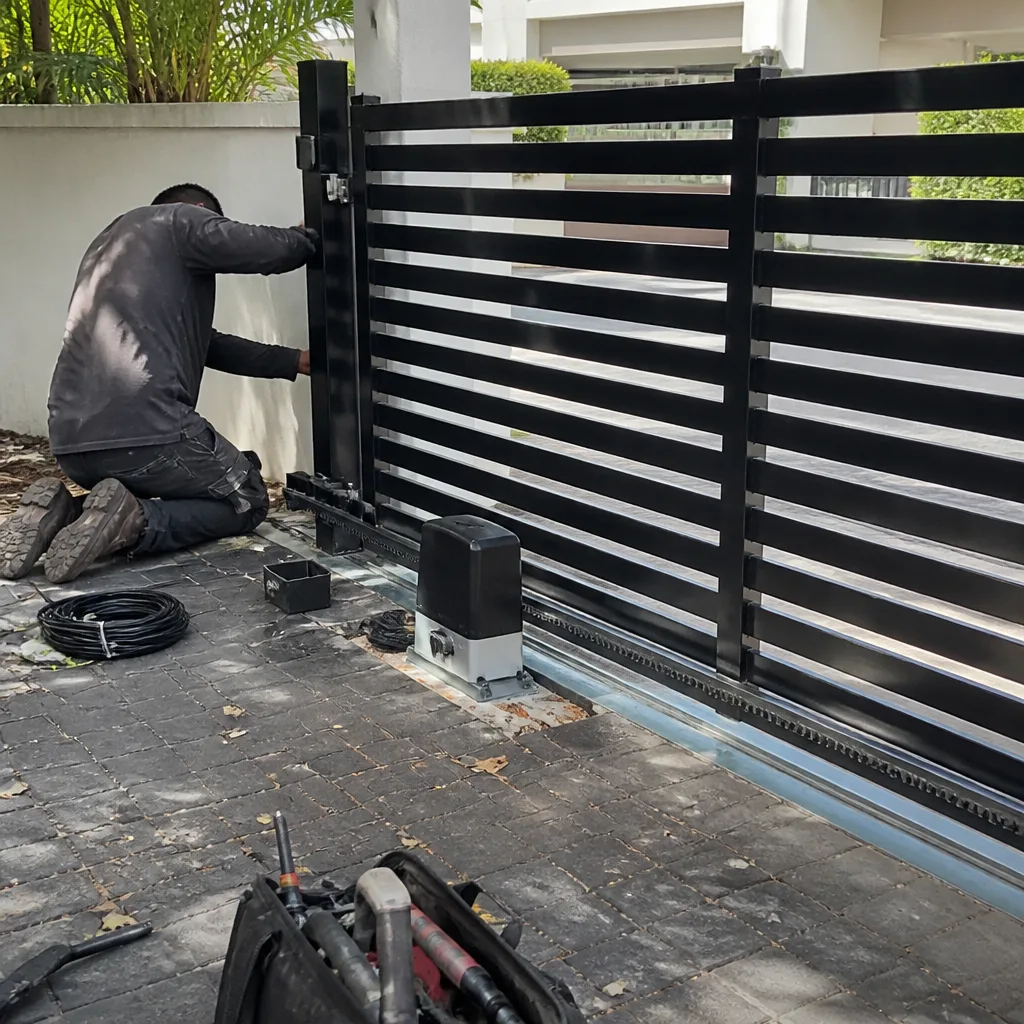 After