Last updated October 30, 2026
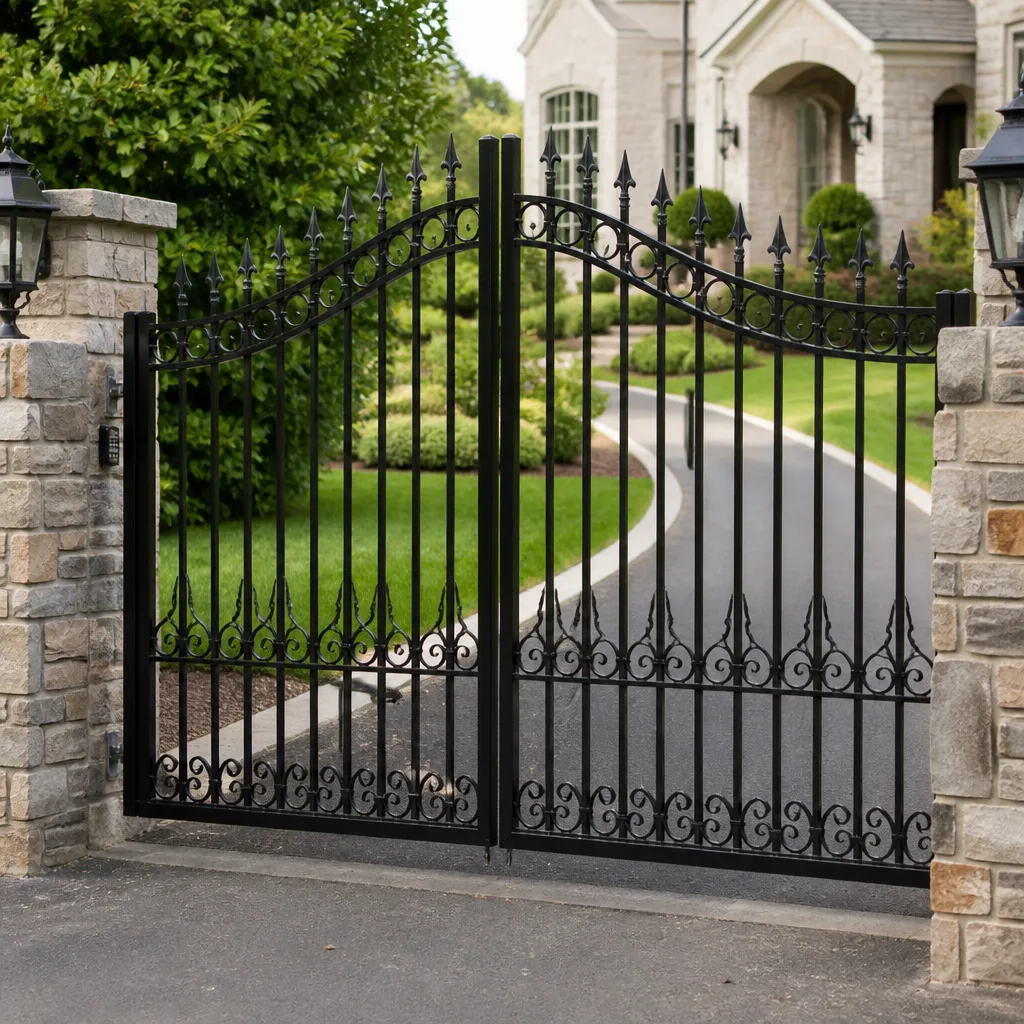 Wrought iron
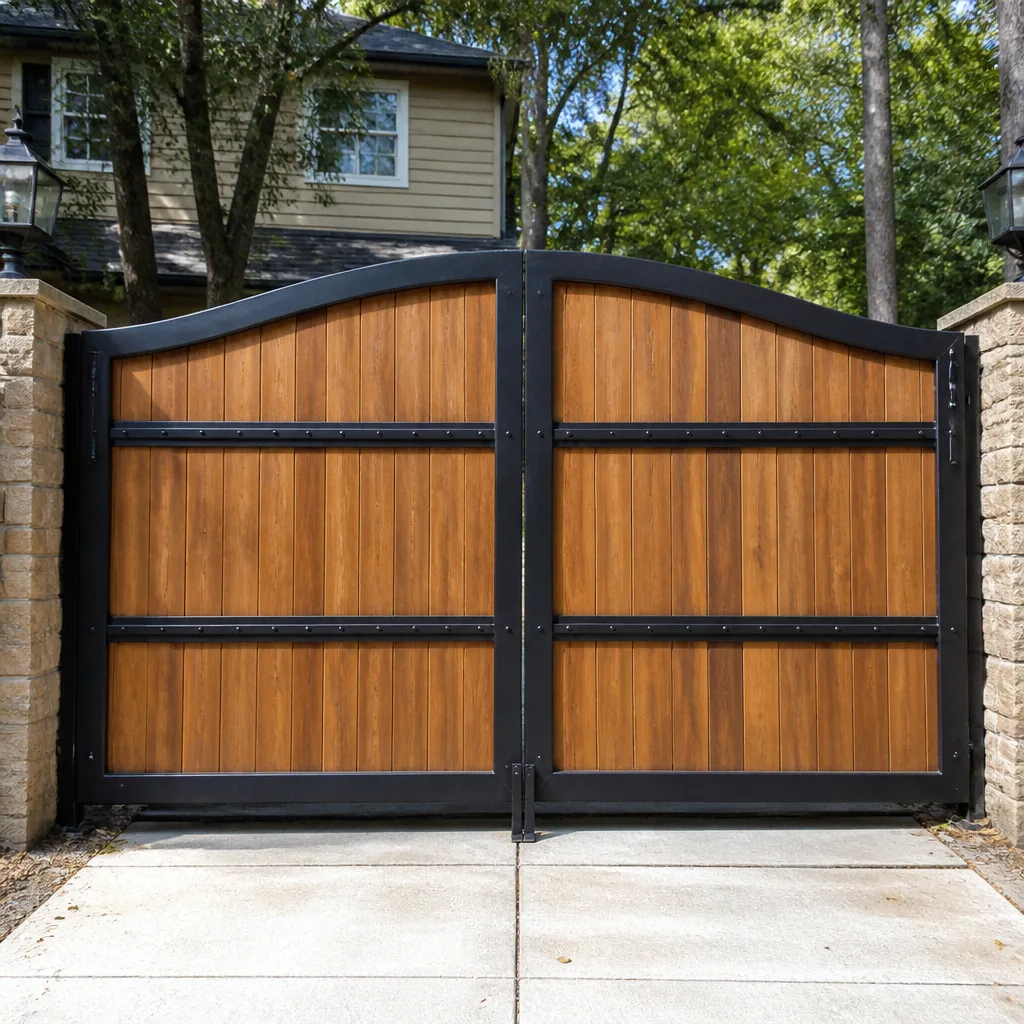 Wood & steel frame
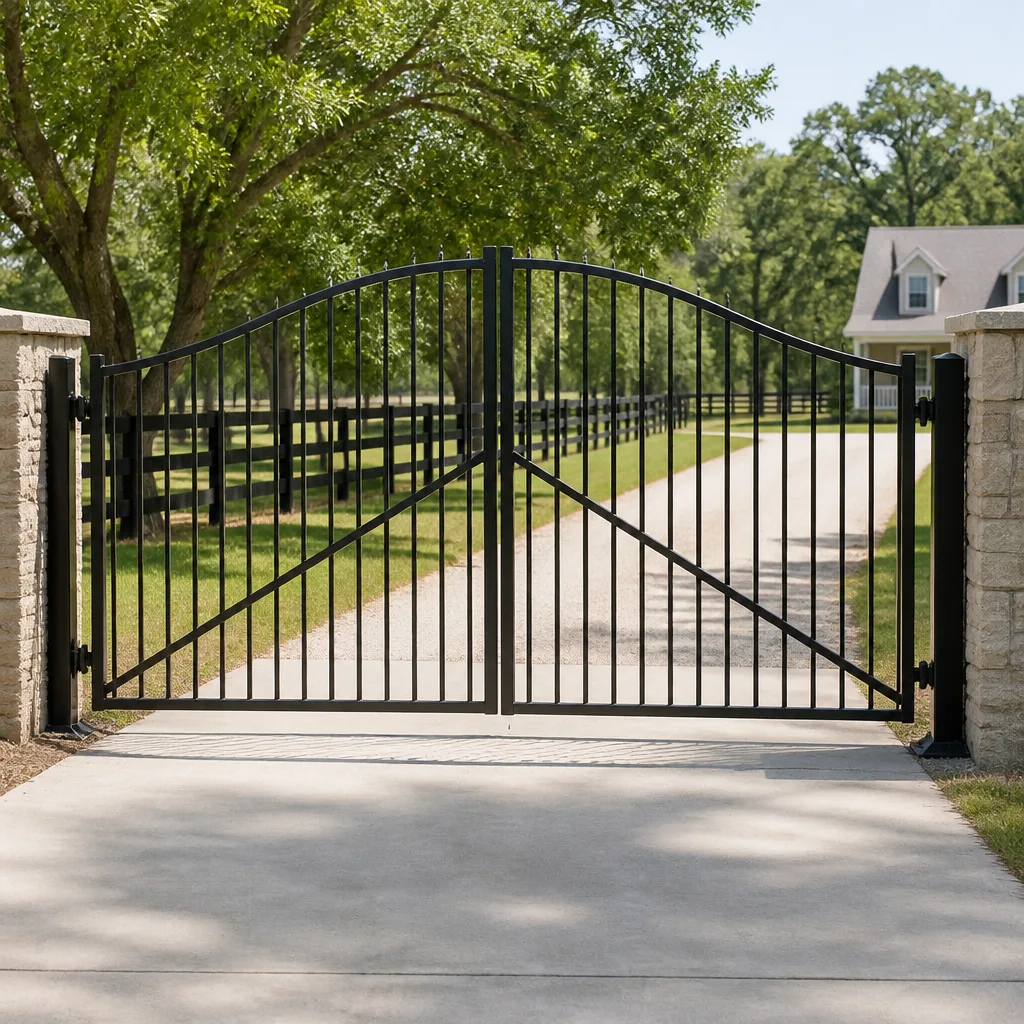 Farm & ranch
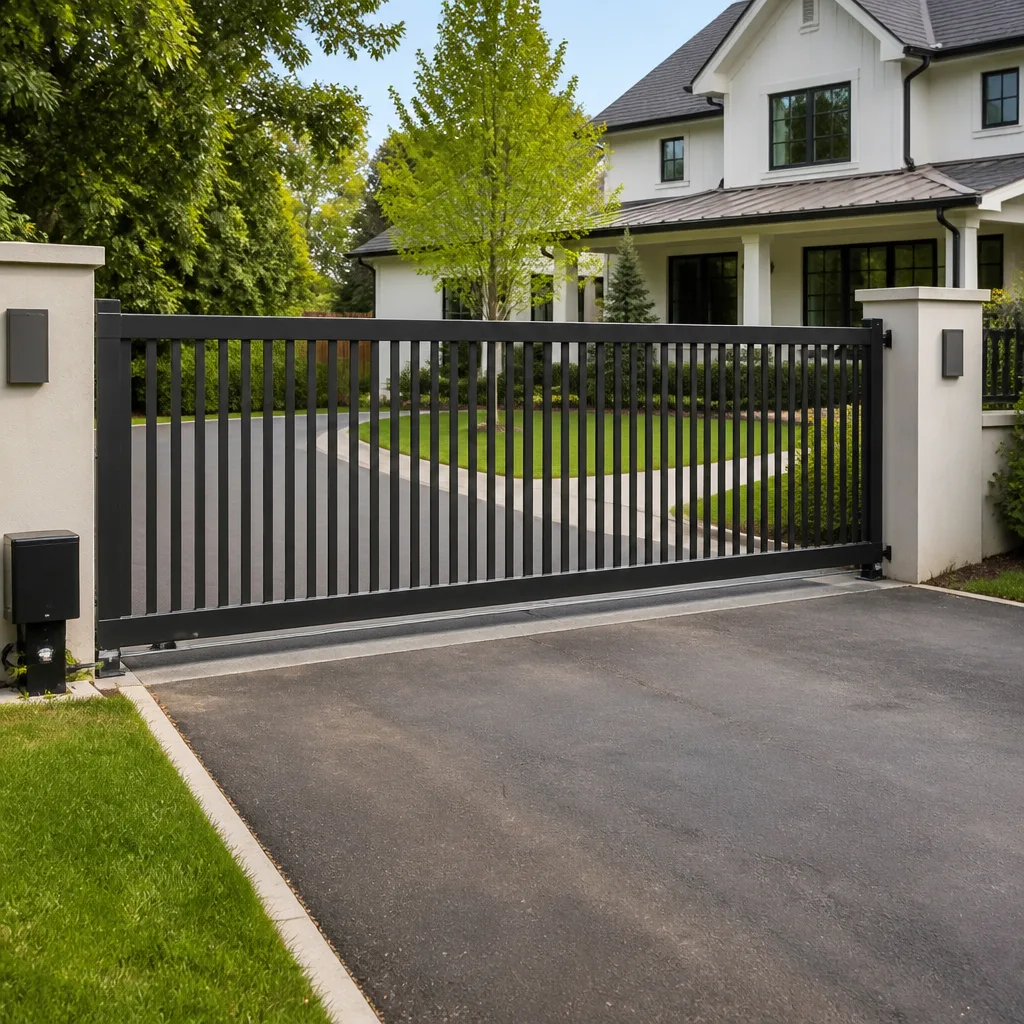 Sliding driveway gates
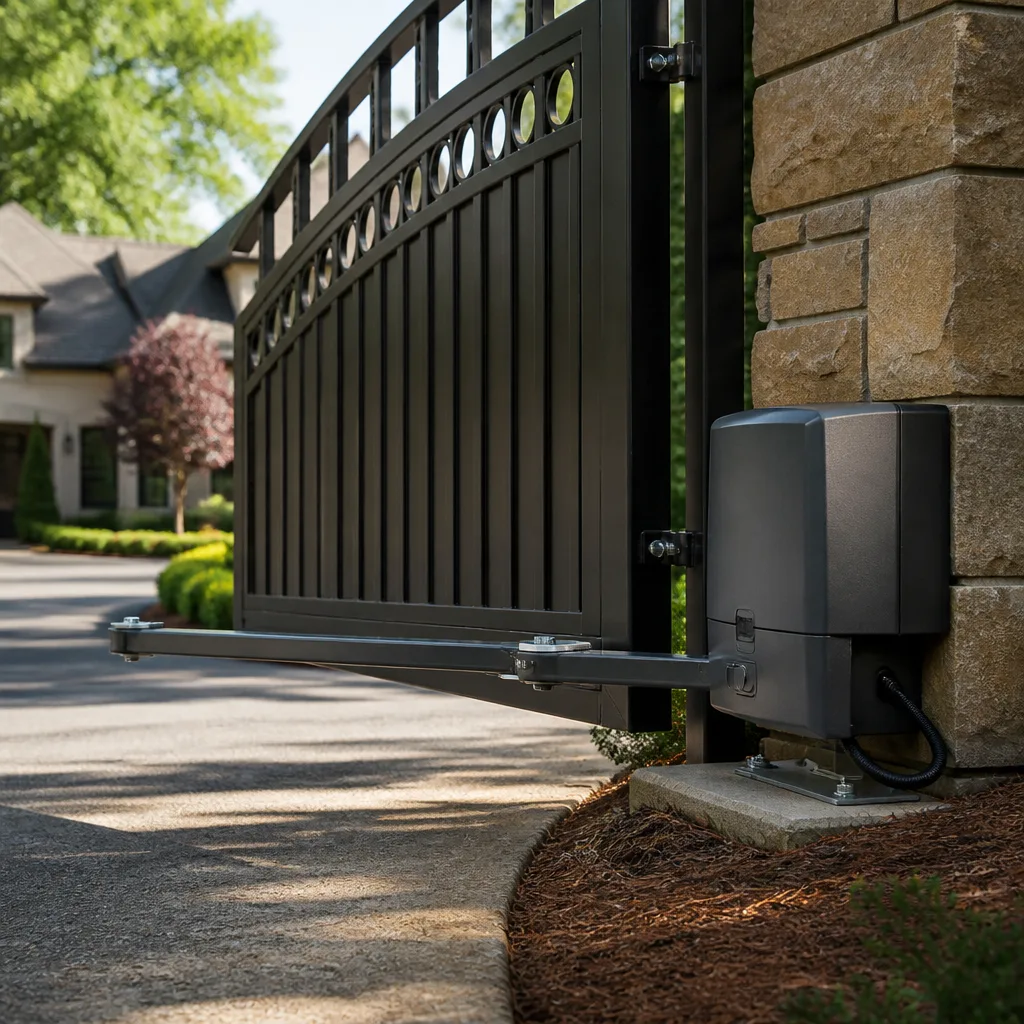 LiftMaster operators
Free on-site gate assessment - hinges, posts, and your LiftMaster or Nice gate operator checked before anything is quoted
The assessment is free and the quote is the invoice.
Get your free estimateChoosing the Right Gate Repair Brand: A Buyer’s Guide for Miami Gardens
The most popular gate operator brand in the United States is not the most serviceable brand in South Florida. That sounds like a hot take, but it’s a practical reality we deal with in Miami Gardens every week. A brand can dominate national sales while its control boards have documented moisture sensitivity issues that make repairs in humid coastal markets significantly more expensive than the national average. This guide evaluates the gate brands you’ll actually encounter in Miami Gardens on the criteria that determine what you’ll pay over a ten-year ownership window: parts availability in Miami-Dade, technician familiarity, humidity tolerance, and UV resistance. For a deeper dive, see The Complete Guide to Gate Repair in Miami Gardens. If you’re replacing a gate operator or choosing components for a new installation, what you pick today determines your repair costs and downtime for the next decade.
Styles & brands we work with
Quick Answer
The best gate operator brand for a Miami Gardens property is the one with local parts availability, a strong technical documentation trail, and a track record of surviving South Florida humidity. For most residential properties in Miami Gardens, LiftMaster and FAAC offer the strongest combination of reliability and local serviceability, while BFT and Elite dominate specific commercial applications. Brand choice matters less than matching the operator to your gate’s weight, material, and daily cycle count, and choosing a brand that a local Miami Gardens gate specialist can service without trial and error.
Table of Contents
- How to Evaluate a Gate Brand for South Florida Conditions
- Brand Comparison: What’s Actually Installed in Miami Gardens
- Why Parts Availability in Miami-Dade Beats National Brand Rankings
- Technical Documentation: The Hidden Cost of a “Certified Dealer Only” Brand
- Matching Gate Material to Operator Brand for South Florida Longevity
- The Ten-Year Cost Model: Purchase Price Is Not the Real Number
- What Miami Gardens Properties Need That Other Markets Don’t
- Common Mistakes to Avoid
- When to Call a Professional
- Frequently Asked Questions
- The Bottom Line
How to Evaluate a Gate Brand for South Florida Conditions
Most gate brand comparison articles you’ll find online are recycled marketing copy written for a national audience. They evaluate brands on horsepower, price, and maybe warranty length. None of those metrics tell you how a gate opener will perform after three Miami summers. South Florida is a hostile environment for automated gate equipment in ways that national reviewers simply don’t account for.
Humidity is the silent killer of gate operators. A control board that works flawlessly in Phoenix or Dallas can develop corrosion deposits on its solder points within eighteen months in Miami Gardens. That corrosion causes intermittent failures: the gate opens when it shouldn’t, the remote stops working, the safety sensors trigger falsely. These are the calls we get most often, and in our experience, the brand of the board determines whether it’s a $150 repair or a $600 replacement.
Here are the four criteria that actually matter for a Miami Gardens gate operator:
- Humidity tolerance of the control board – Some manufacturers conformal-coat their circuit boards to resist moisture. Others don’t. The ones that don’t fail predictably in South Florida, usually right around the two-year mark if the housing isn’t perfectly sealed.
- UV resistance of the housing and plastic components – Miami Gardens gets roughly 3,000 hours of sunlight per year. Plastic gears, housing covers, and photocell lenses that aren’t UV-stabilized will embrittle and crack. You’ll see it first on the photocell housings and any exposed plastic actuator arms.
- Parts availability in Miami-Dade – A brand is only as good as your ability to get its parts locally. When a control board fails, you don’t want to wait five business days for a part to ship from a warehouse in California. Downtime on a gate is a security problem, not just an inconvenience. You want a brand that at least one local Miami Gardens gate repair company stocks or can source same-day.
- Local technician training depth – Every brand has its own programming menus, diagnostic codes, and failure patterns. A technician who knows FAAC systems cold will fix a FAAC problem in forty minutes. A technician who has to learn the system on your dime takes three hours. At $95 to $145 an hour for gate repair labor in Miami Gardens, that difference is real money.
These are the criteria we use when we recommend a brand to a Miami Gardens client who’s replacing a failed operator or scheduling our Gate Repair services. National marketing claims don’t survive contact with a coastal Florida installation. What survives is a board that’s coated against moisture, a housing that doesn’t crack in the sun, and a parts network that doesn’t leave your gate hanging open for a week.
For a deeper look at how brand-specific knowledge affects your repair experience, see our guide on Gate Repair in Miami Gardens.
Brand Comparison: What’s Actually Installed in Miami Gardens
Drive through any Miami Gardens neighborhood, and you’ll see a specific handful of gate operator brands on the residential swing gates and driveway slides. On commercial properties and HOA entrances, the mix shifts toward heavier-duty equipment. Here’s what we actually encounter in the field, and what each brand’s known strengths and failure patterns look like in South Florida conditions.
LiftMaster
LiftMaster is the most common residential gate opener brand in Miami Gardens, and for good reason. Their swing gate arms and slide operators are widely available through local distributors, which means parts rarely hold up a repair. The brand’s control boards are generally sealed better than average, though we do see moisture ingress issues on installs where the housing wasn’t mounted with proper drainage clearance. The real advantage of LiftMaster for a Miami Gardens homeowner is that nearly every gate technician in Miami-Dade knows these systems. Diagnosis is fast, parts are local, and the programming is straightforward. If you’re replacing a residential operator and want the lowest-friction ownership experience, LiftMaster is a defensible default choice.
FAAC
FAAC is a step up in both build quality and complexity. The brand’s hydraulic operators are common on heavier residential and light commercial gates in Miami Gardens, and they handle the heat better than many competitor models because the hydraulic systems don’t rely on plastic gears that degrade in the sun. FAAC’s weakness is documentation: the brand has historically restricted detailed technical guides to certified dealers, which means the average homeowner struggles to troubleshoot basic issues. For a property owner who wants a reliable operator and doesn’t plan to do their own diagnostics, FAAC is a strong choice, but you want a technician who already speaks FAAC and won’t waste billable hours working through the programming menus for the first time.
BFT
BFT shows up most often on multi-family and commercial properties in Miami Gardens, though we do see it on high-end residential installs. The Italian-built equipment is durable and the control logic is sophisticated, handling complex access control integrations well. The catch for South Florida is parts. BFT components often ship from regional hubs rather than local Miami-Dade distributors, and we’ve seen repair timelines stretch to three or four days just waiting on a specific board or capacitor bank. BFT is a great system when it’s working. When it fails, your downtime cost climbs if you don’t have a local specialist with access to expedited parts channels.
Elite
Elite is the commercial workhorse in Miami Gardens. Their slide gate operators are ubiquitous on warehouse entrances and industrial lots throughout northern Miami-Dade, and the brand’s durability in daily high-cycle applications is genuinely impressive. Elite operators are built for volume. The tradeoff is that they’re less refined than FAAC or BFT on the residential side, and their swing gate arms are comparatively rare in Miami Gardens homes. If you run a commercial property with a gate that cycles dozens or hundreds of times per day, Elite deserves a serious look. If you’re a homeowner, you’ll likely find better residential-focused features elsewhere.
The point here isn’t that one brand wins for everyone. The point is that each brand has a known failure profile in South Florida conditions, and your choice should account for how easily a local company can service it. We work on all of these brands, and the clients who have the smoothest experience are the ones whose brand choice matched their property’s specific demands. From the motor to the hinge, every component has to cooperate with the humidity and the sun, and some brands manage that better than others in Miami Gardens specifically.
If you’re deciding between repairing your existing operator and replacing it with a different brand, our Electric Gate Repair in Miami Gardens page walks through the decision framework.
Why Parts Availability in Miami-Dade Beats National Brand Rankings
National brand rankings are built on sales volume and consumer reviews. They don’t measure what happens when your gate operator fails on a Tuesday and you need a replacement board before the weekend. In Miami Gardens, parts availability is a hard constraint that should shape your brand decision more than any marketing brochure.
Here’s the math that matters. A failed control board on an average residential gate operator in Miami Gardens costs between $280 and $650 for the part, plus labor. If the part is sitting on a shelf at a local distributor, you’re looking at same-day repair and roughly one day of gate downtime. If the part has to ship from a regional warehouse in Atlanta or Dallas, you’re adding three to five business days, during which your gate is either propped open or manually locked. For a commercial property, that downtime isn’t just annoying. It’s an access control gap that can violate insurance requirements and frustrate tenants for nearly a week.
Some brands maintain strong local parts networks in South Florida. LiftMaster and FAAC parts are consistently available through Miami Gardens area suppliers, which is a significant argument in their favor for residential buyers. BFT and some European specialty brands ship from centralized hubs, meaning even a minor component can carry a multi-day lead time. Elite parts are usually available locally on the commercial side, but residential-friendly components can be hit or miss.
Before you commit to a brand, ask a simple question: if the control board fails, where does the replacement come from, and how long does it take to get here? A Miami Gardens gate specialist can answer that question honestly for every brand on the market. A national retailer’s customer service line cannot. In our experience, parts availability is the single strongest predictor of total cost of ownership over a ten-year window, because every automated gate will need a board, a limit switch, or a capacitor at some point during that decade.
This is also why the “repair first, replace only when necessary” philosophy works better with some brands than others. When parts are local and a technician knows the system, the honest fix is often a $200 board repair rather than a $1,400 full operator replacement. When parts are distant and documentation is locked down, the replacement quote starts to look more attractive for the wrong reasons. Learn more about how we approach repair economics on our Archway Gate Repair home page.
Technical Documentation: The Hidden Cost of a “Certified Dealer Only” Brand
When a gate operator brand restricts its technical documentation to certified dealers, it’s making a strategic decision: keep the service revenue inside its dealer network. That strategy has consequences for you as the property owner, and they’re rarely discussed in brand comparison articles.
Brands that publish their installation manuals, wiring diagrams, and diagnostic codes openly do their customers a structural favor. Any competent electrician or gate technician can pull the documentation, understand the system, and fix it correctly without reverse-engineering the board. When you sell the property, the next owner inherits a system that any local professional can maintain. In Miami Gardens, where properties change hands regularly and new owners often inherit gate systems they didn’t select, open documentation is a real asset.
Brands that restrict documentation to certified dealers create a different dynamic. The system itself may be excellent, but every repair depends on finding a technician with dealer access or spending time working through menus without reference material. That’s not a one-time cost. It’s a tax on every future repair, applied for as long as the gate remains in service. We’ve diagnosed several FAAC and BFT systems where the core issue was straightforward, but the time to access programming sequences without dealer-level documentation turned a one-hour job into a three-hour job. The equipment wasn’t the problem. The information asymmetry was.
For a Miami Gardens buyer evaluating brands, here’s the practical checklist:
- Search the brand’s model number plus “manual PDF.” If you can download the installation and troubleshooting documentation freely, that’s a green flag.
- Call a local gate repair company and ask how they handle that brand. If the answer is “we call our dealer rep,” you’ve found the documentation wall.
- Ask whether the brand’s diagnostic codes are published or proprietary. Published codes mean any technician can tell you what error 73 means. Proprietary codes mean you’re paying for dealer expertise on every call.
- Consider the resale angle. A gate system with open documentation is easier to maintain and easier to sell, whether the property is a single-family home in Miami Gardens or a commercial lot.
This is where the specialist advantage becomes concrete. When a company works on a brand daily, it has internal knowledge and experience that fills the documentation gaps without relying on dealer phone calls. When a generalist encounters a locked-down brand for the first time, the timer starts running on your billable hours. Diagnosed, not guessed is the standard, and the brand’s documentation policy determines whether that standard is achievable at a reasonable cost.
Matching Gate Material to Operator Brand for South Florida Longevity
Gate material and operator brand are usually discussed in separate conversations. That’s a mistake. The material of your gate determines its weight, its wind load profile, and its degradation pattern, all of which affect which operator brands will hold up over time in Miami Gardens.
Aluminum is the most common residential gate material in South Florida, and it’s a good match for most residential operators. Aluminum’s light weight means a standard LiftMaster or FAAC swing arm isn’t overworked, and the material’s corrosion resistance means the gate itself will outlast several operator replacements. The key compatibility issue is weight-related: if you have a long-span aluminum gate, make sure the operator’s maximum weight rating gives you at least 25% headroom. Wind load on a wide gate stresses the operator more in Miami Gardens than in calmer inland markets, even if the gate itself is light.
Wrought iron and steel gates are heavier, and that’s where brand choice starts to bite. A light-duty residential operator that works fine on an aluminum gate will burn through its gearbox in three years on a full wrought iron gate. For heavier iron gates, FAAC hydraulic operators or a higher-capacity LiftMaster model are the practical choices. Hydraulic systems handle sustained load better than electro-mechanical gear drives, and in Miami Gardens where rust and oxidation add weight to iron gates over time, that load tolerance matters more with each passing year.
Vinyl gates sit in an awkward middle. They’re light enough for most residential operators, but UV degradation on vinyl gate panels doesn’t affect the operator itself. The compatibility issue is different: vinyl gates flex more than aluminum or iron, so limit switch settings need to account for that movement, and not all operators have the fine adjustment range to handle it. We’ve seen vinyl gates in Miami Gardens neighborhoods like Andover and Buccaneer Estates with operator limit switches that drift every six months because the gate flexes differently depending on temperature.
Wood gates are uncommon in Miami Gardens but not absent, primarily on older properties and aesthetic-driven installs. Wood’s problem is dimensional instability in South Florida humidity: the gate swells and contracts, changing its effective weight and swing resistance seasonally. That instability is hard on operator brands regardless of quality, but units with fewer plastic internal components handle the load variation better. If you have a wood gate, operator brand selection should prioritize durable metal gearing over feature lists.
The takeaway: operator brand and gate material are one system decision, not two separate purchases. What works on an aluminum gate in Miami Gardens may not work on an iron gate in the same climate, even if the brand’s marketing materials say otherwise.
The Ten-Year Cost Model: Purchase Price Is Not the Real Number
Gate operators are advertised with a single price: the purchase price. That number is almost irrelevant to what the system will actually cost you in Miami Gardens over ten years. Here’s a realistic cost model for a residential automated gate in South Florida, based on what we see in the field.
- Purchase cost: $750 to $2,400 depending on brand and capacity. This is the number everyone shops on. It’s the smallest component of the ten-year total.
- Installation: $600 to $1,800 for a typical residential operator install in Miami Gardens, including mounting, wiring, and programming. Commercial installs run higher.
- Scheduled maintenance: $180 to $350 per year for a twice-annual service on an automated gate. This includes limit switch adjustment, lubrication, safety sensor testing, and board inspection. Skipping maintenance on any brand in South Florida humidity shortens component life measurably.
- Unscheduled repairs: Budget $300 to $800 every three to four years for a component failure. Control boards, capacitors, and photocells are the usual suspects, and their failure rates vary by brand and by how well the housing was installed.
- Replacement cycle: Most residential gate operators in Miami Gardens last seven to twelve years before the motor or gearbox reaches the end of its service life. Some Brands with cheaper internal components trend toward the lower end of that range, especially on ungated properties without covered installations.
When you add those numbers up, the ten-year cost of a gate operator in Miami Gardens lands somewhere around $4,500 to $9,000, depending on brand, gate weight, and maintenance diligence. A $200 difference in purchase price between two operators is almost noise in that total. What matters is the difference in unscheduled repair frequency and parts wait times, which are determined by brand quality and local parts availability, not by the price tag.
This is also why a repair-first approach usually delivers better long-term value than an immediate replacement. If a $350 board repair gets your existing operator three more years of service, that’s $350 against the cost of a full replacement cycle started early. The math works when a technician actually diagnoses the specific failure rather than quoting a full system swap by default. You can find more guides & resources on our blog. We work on the brand already on your property, which means we can give you an honest assessment of whether that operator’s known failure patterns suggest repair or replacement in your specific case.
What Miami Gardens Properties Need That Other Markets Don’t
Miami Gardens has specific characteristics that affect gate brand selection in ways that don’t show up in national guides. Understanding these local factors helps you evaluate brand recommendations with the right context.
First, the humidity profile. Miami Gardens sits several miles inland from the coast, which means slightly less salt exposure than beachfront properties but still intense year-round humidity. Condensation forms inside operator housings regardless of brand when temperatures swing between hot days and relatively cooler nights. Operators with conformal-coated boards and well-designed drainage paths simply survive this better. This is a physical fact, not a brand preference.
Second, the storm profile. Miami Gardens properties need gate operators that can handle high wind loads, especially during the June through November storm season. A wide swing gate becomes a sail in tropical storm winds, and the operator’s motor and gearbox take the strain. Some operators are better at managing wind-induced backdrive than others, which affects long-term gear wear. If your gate is exposed or particularly wide, discuss wind load with whoever services your system.
Third, the property mix. Miami Gardens is a spread of residential neighborhoods, commercial corridors like NW 27th Avenue, and industrial zones. That mix means a wide range of gate systems: residential swing gates on single-family homes, slide gates at HOA entrances, high-cycle operators on commercial and industrial lots. Brand recommendations that make sense for a house in Andover don’t transfer to a distribution center gate cycling two hundred times a day. Understanding which brands are built for which use case matters more here than in a uniform suburban market.
Fourth, solar and battery backup considerations. More Miami Gardens property owners are adding battery backup to automated gates after storm seasons that knocked out power for extended periods. Not every operator brand integrates cleanly with battery backup, and some third-party backup systems cause control board issues on specific brands. If storm resilience is on your radar, factor it into your brand decision now rather than retrofitting later.
For property owners evaluating a full replacement, our Gate Installation in Miami Gardens guide covers the complete process from material selection to operator matching.
Common Mistakes to Avoid
- Buying on national brand reputation alone. A brand that dominates sales in the Southwest may have failure patterns in South Florida humidity that national rankings never surface. Evaluate on local evidence, not national marketing.
- Ignoring parts lead times. A cheaper operator that requires three-day parts shipping will cost more over time than a marginally pricier one with local distributor support. Downtime is a real cost, especially for commercial properties.
- Sizing the operator to the gate’s weight without wind load margin. Miami Gardens wind loads add dynamic stress that a static weight calculation doesn’t capture. Undersized operators fail early here more often than in inland markets.
- Assuming all brands document equally. Locked-down documentation raises your cost on every future service call. Check whether the brand publishes its manuals and diagnostic codes before you buy.
- Skipping scheduled maintenance to save money. An automated gate in South Florida humidity without a twice-annual service is a predictable failure waiting to happen. Maintenance costs less than emergency board replacement.
- Treating gate material and operator brand as separate decisions. They’re one system. Aluminum, iron, vinyl, and wood gates all interact differently with operator brands in this climate.
- Replacing before diagnosing. A failed operator often has a single failed component, not a systemic failure. Get a real diagnosis before committing to a full replacement quote.
When to Call a Professional
Gate operators involve line voltage wiring, high-tension springs on some gate types, and moving components heavy enough to injure a person. If your gate slams, drifts, or reverses unexpectedly, if the control board shows error codes you can’t identify, or if the motor runs but the gate doesn’t move, stop troubleshooting and call a specialist. Attempting to bypass a safety sensor or forcing a gearbox through a mechanical bind can damage the operator beyond repair and create a serious safety risk. Electric gate back online is the goal, and the fastest path there is a professional who knows the brand on your property without guessing. Archway Gate Repair offers free estimates in Miami Gardens, call (855) 360-5306.
Frequently Asked Questions
For most Miami Gardens residential properties, LiftMaster and FAAC are the strongest choices because both brands have local parts availability in Miami-Dade and broad technician familiarity. LiftMaster offers the easiest service experience, while FAAC hydraulic operators handle heavier gates and Miami Gardens humidity with excellent durability. The official price depends on your gate’s specific characteristics. Call (855) 360-5306 for a brand recommendation matched to your gate.
A residential gate operator replacement in Miami Gardens typically costs between $1,400 and $4,200 including equipment and installation labor, with commercial systems starting closer to $3,500. The specific cost depends on the brand, the operator’s capacity rating, and your gate’s material and weight. Estimates in Miami Gardens are free, call (855) 360-5306 for an exact quote.
Yes. Gate operator brands differ in how well their control boards resist moisture, and those differences show up within two to three years in Miami Gardens humidity. Brands with conformal-coated boards and sealed housings fail measurably less often in South Florida conditions. If your gate operator has failed after a humid stretch, a local specialist can confirm whether moisture ingress is the cause.
We work on the brand already on your property, including LiftMaster, FAAC, BFT, Linear, Viking, Ghost Controls, DoorKing, Elite, and Mighty Mule. Our technicians know each brand’s specific failure points before arriving on site, which means faster diagnosis and fewer billable hours. Repair first, replace only when necessary, from the motor to the hinge.
A well-maintained residential gate operator in Miami Gardens typically lasts seven to twelve years, with commercial operators lasting eight to fifteen depending on daily cycle count. Brand choice, installation quality, and maintenance consistency all affect that lifespan. Operators without conformal-coated boards in unventilated housings trend toward the shorter end of the range in South Florida humidity.
In most cases, yes. HOA entrance gates in Miami Gardens run higher daily cycle counts and require operators built for heavier use, typically slide gate systems from commercial-focused brands like Elite or BFT. Single-family residential swing gates are served well by residential LiftMaster or FAAC models. The cycle count requirement, not the brand name, is the determining factor.
The Bottom Line
Choosing a gate operator brand for a Miami Gardens property is a maintenance decision disguised as a purchase decision. The brand you pick determines parts lead times, technician availability, documentation access, and failure frequency in South Florida humidity, all of which shape your real cost over a decade of ownership. Evaluate brands on local evidence, not national rankings. Match the operator to your gate’s material and weight with wind load headroom. Check parts availability and documentation openness before you buy, because those factors cost more than any price difference between models. And when the system on your property needs attention, choose a specialist who knows the brand already installed and can diagnose the specific failure rather than running a generic replacement playbook. Get the electric gate back online with a repair-first partner who works from the motor to the hinge.
Written by the team at Archway Gate Repair, serving Miami Gardens since 2011.
See the difference
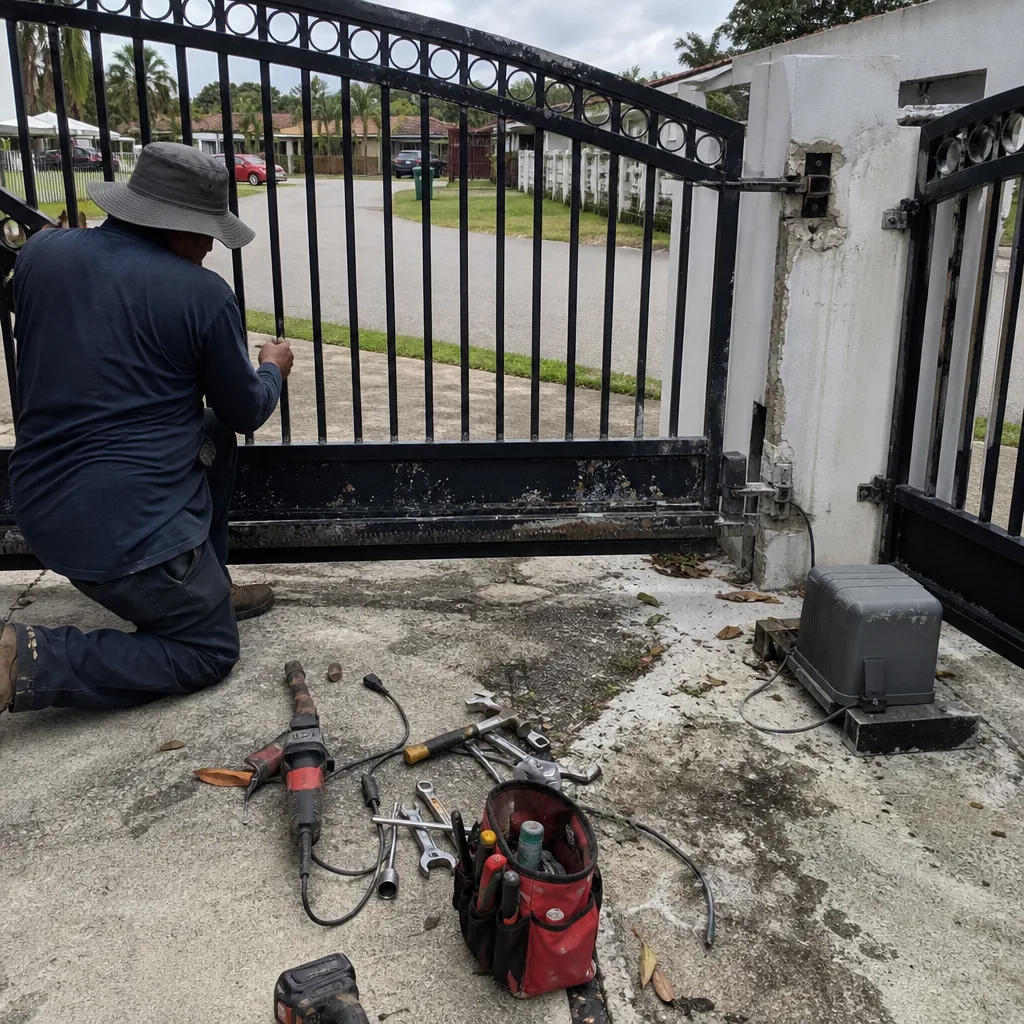 Before
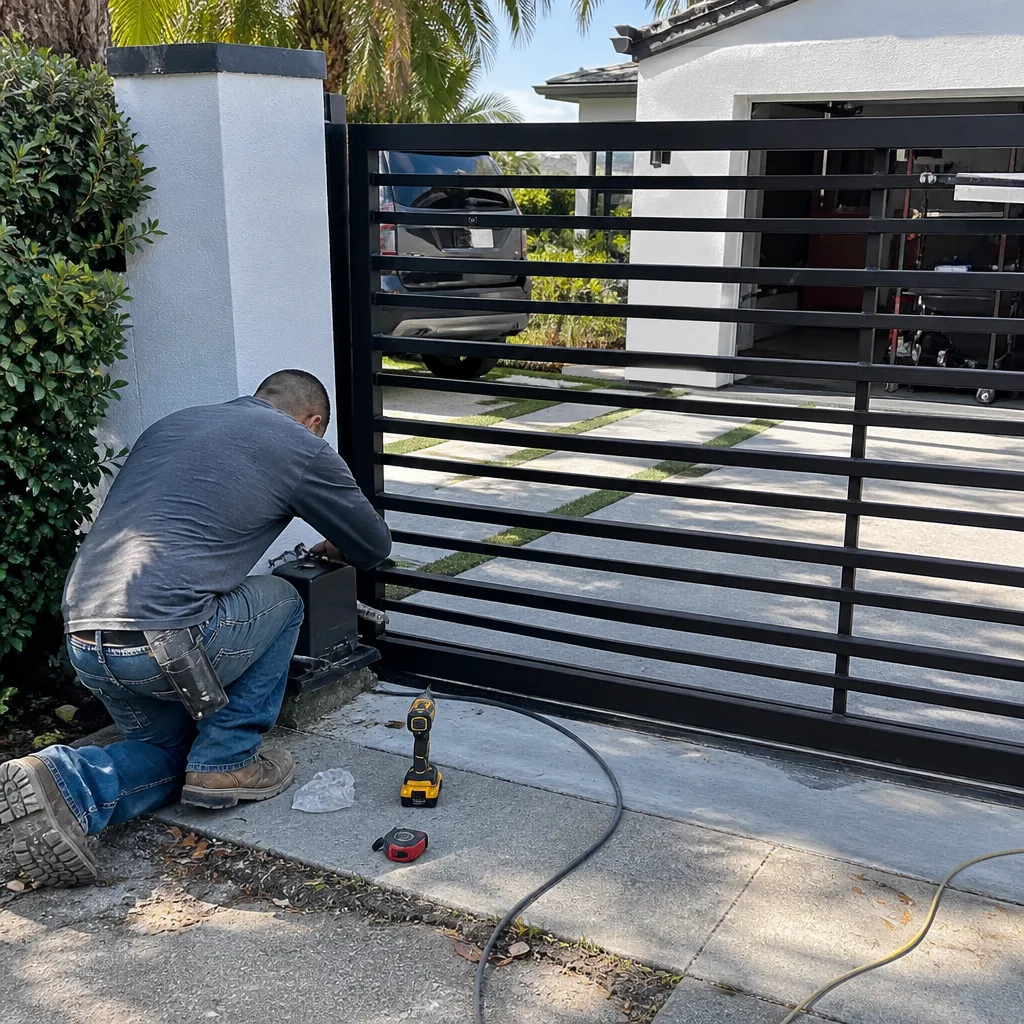 After
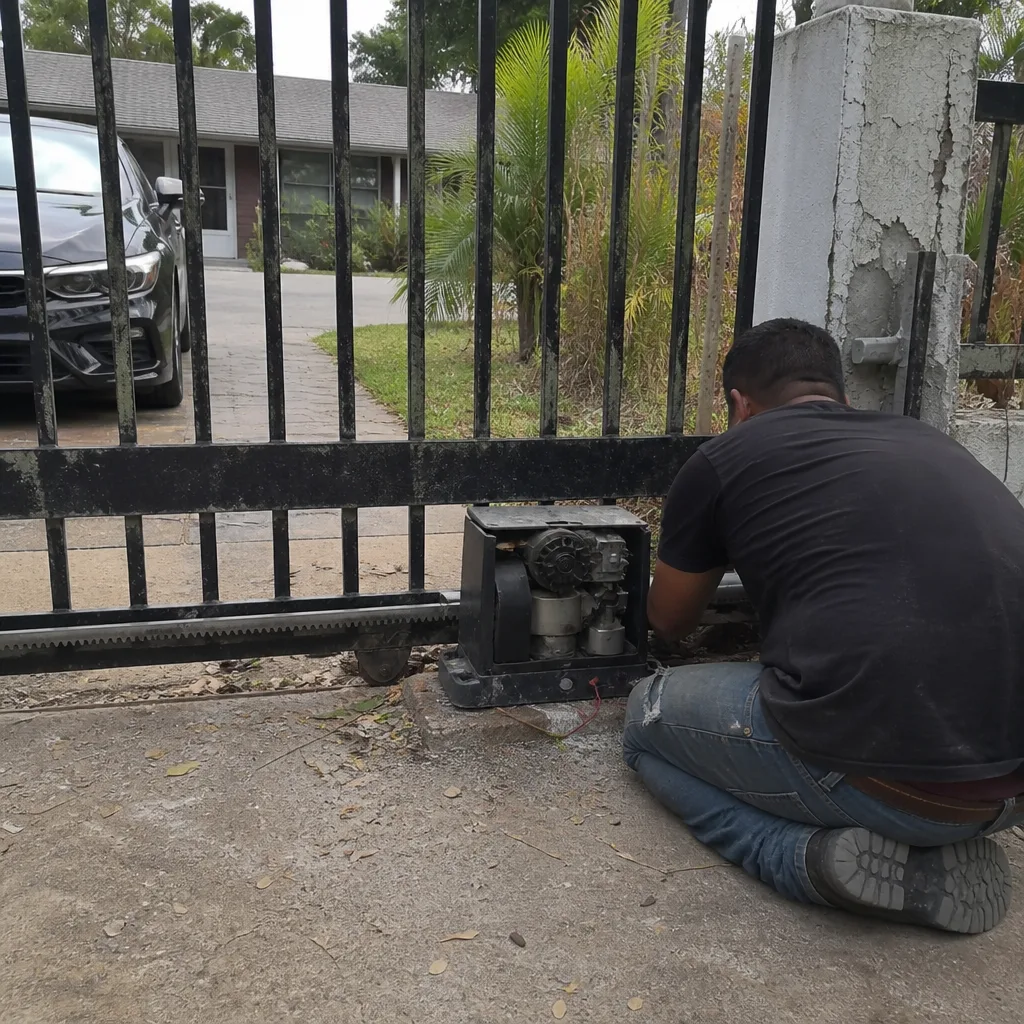 Before
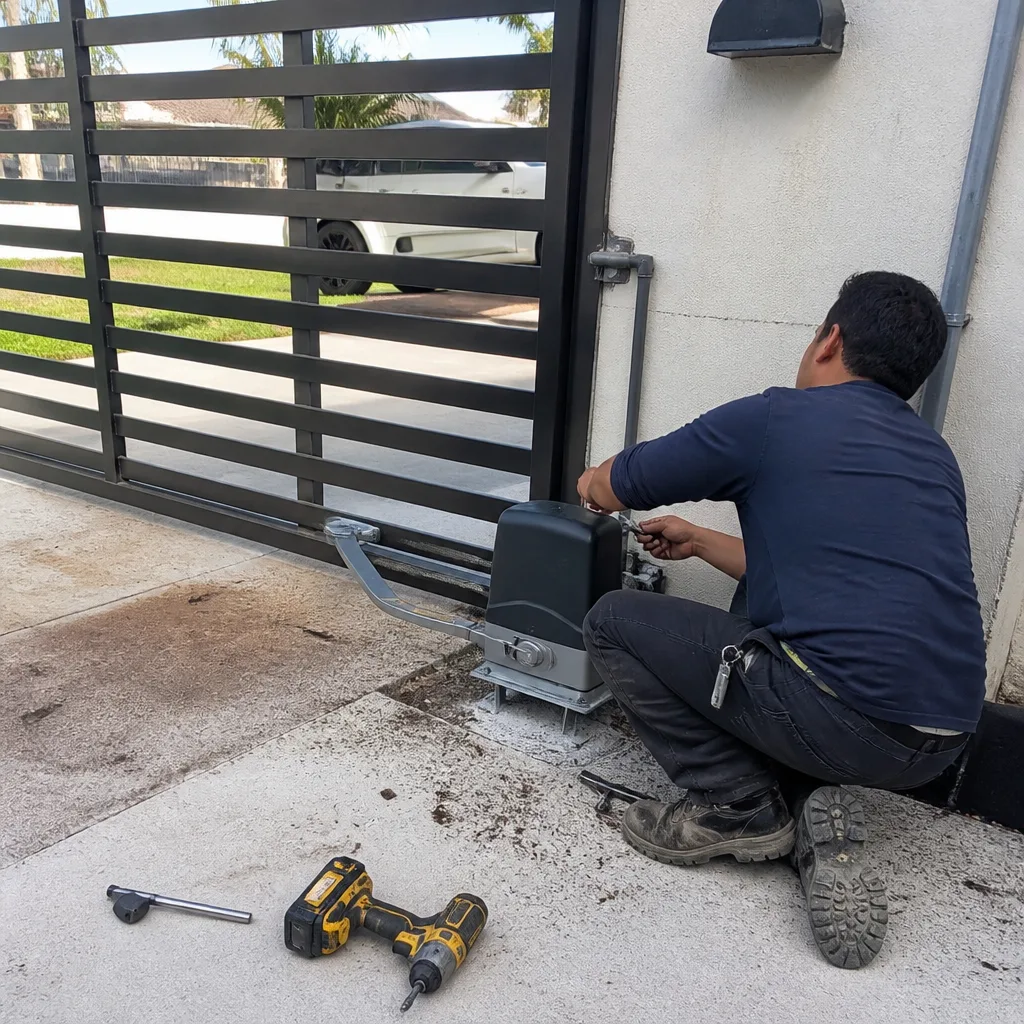 After
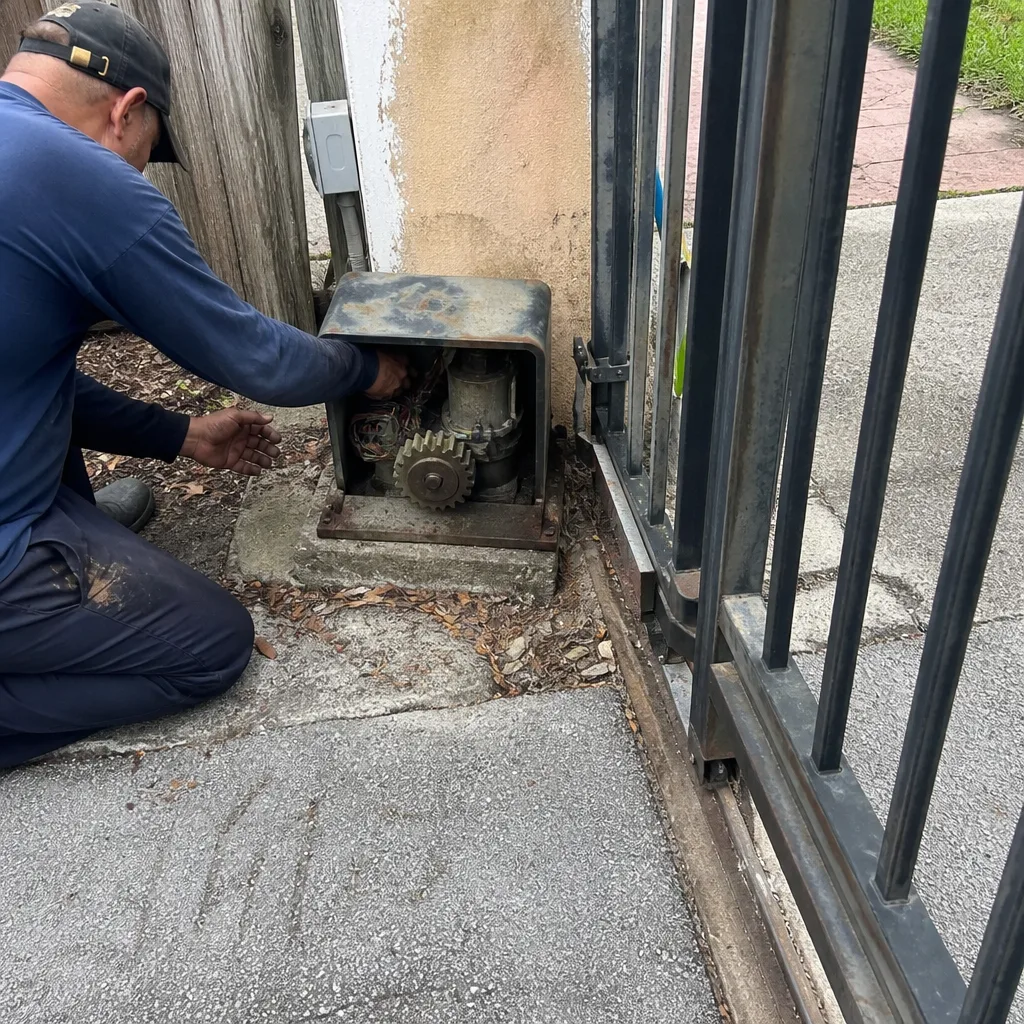 Before
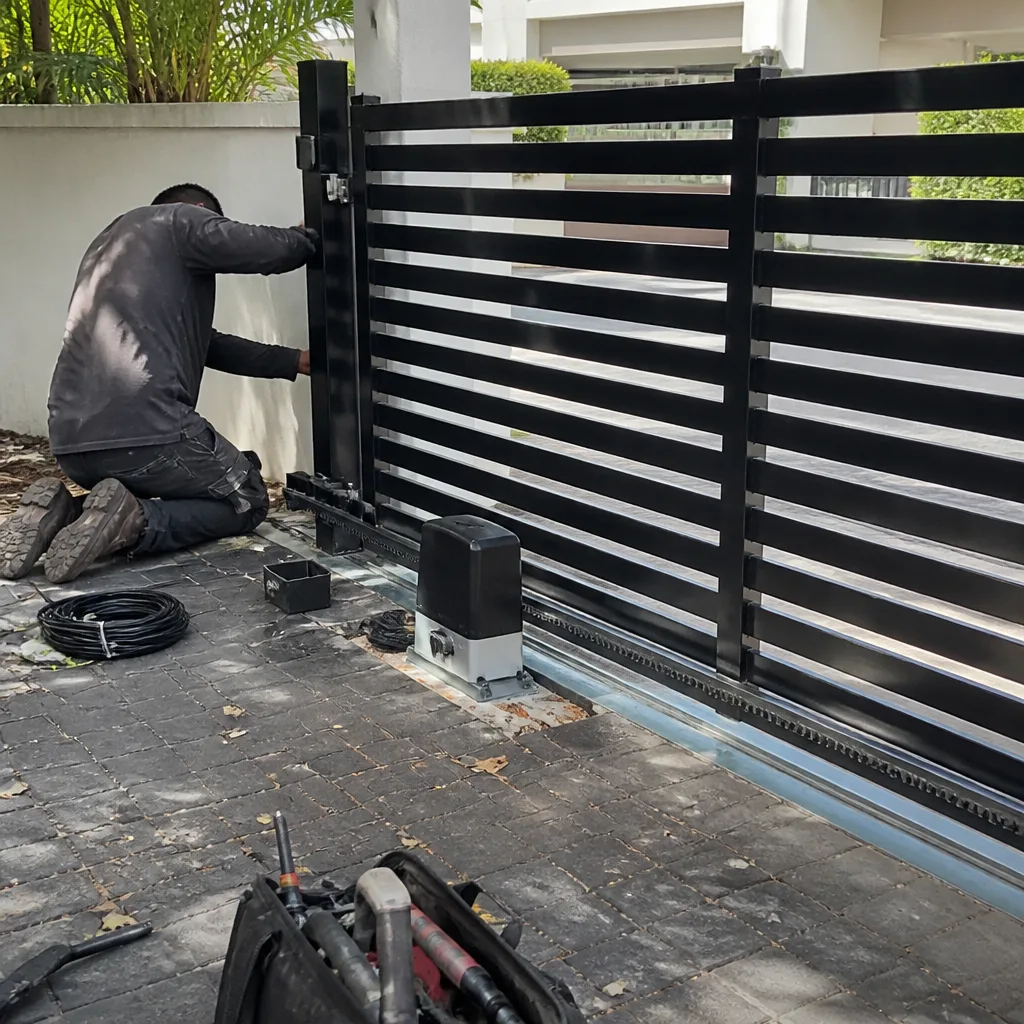 After