
Last updated October 30, 2026
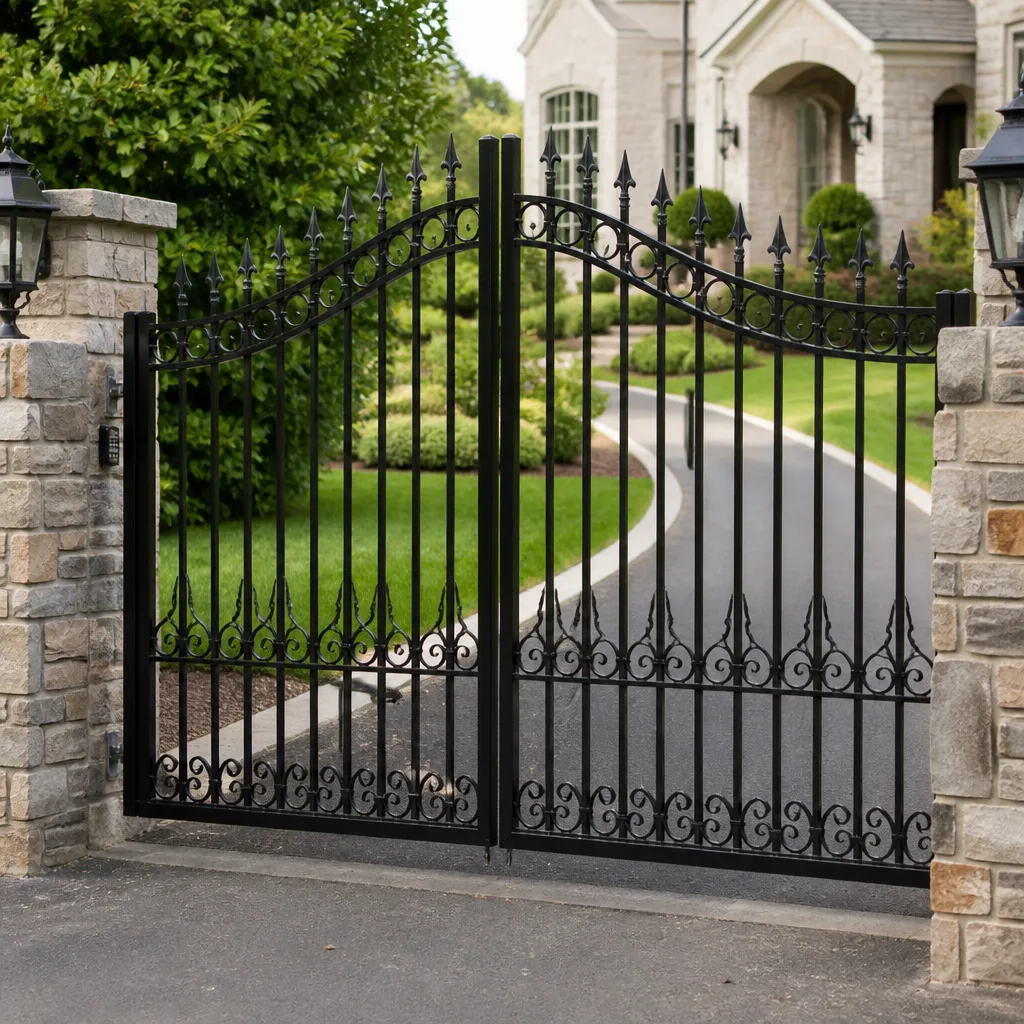 Wrought iron
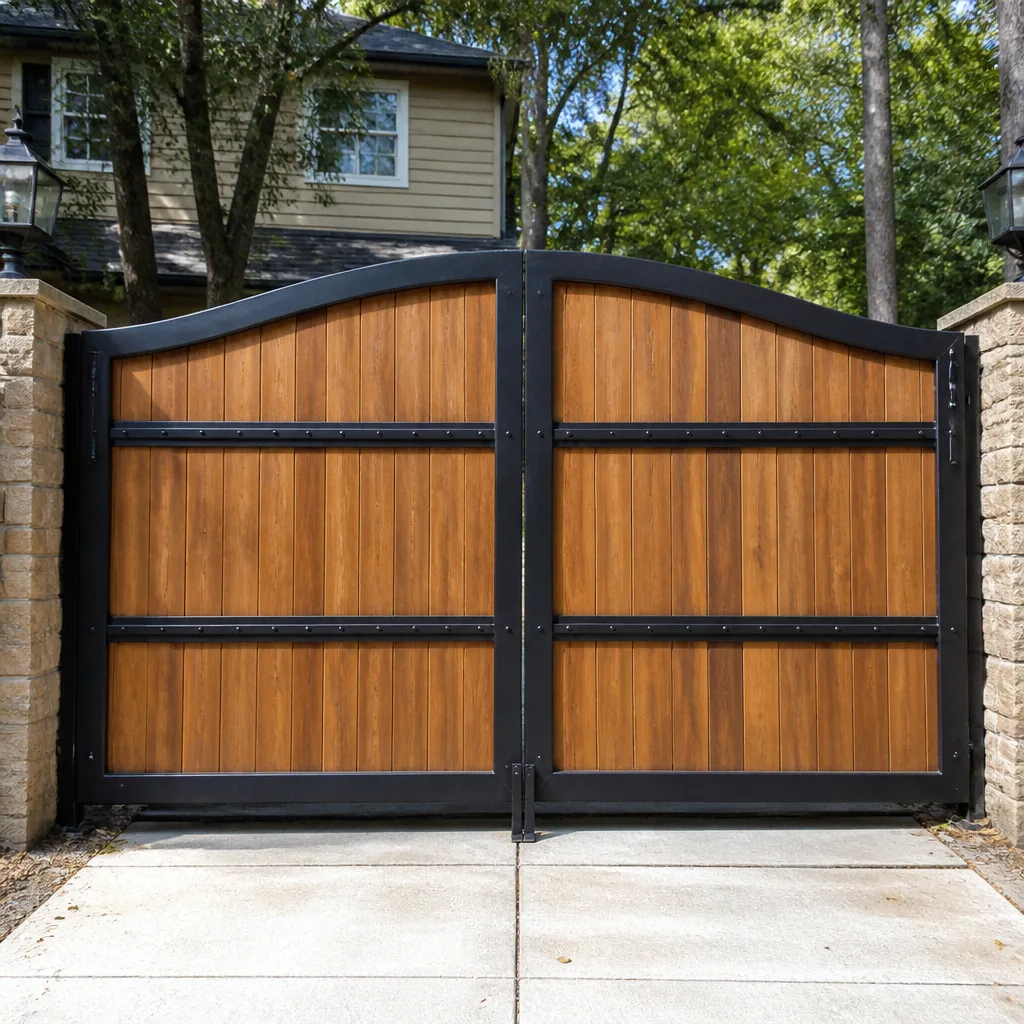 Wood & steel frame
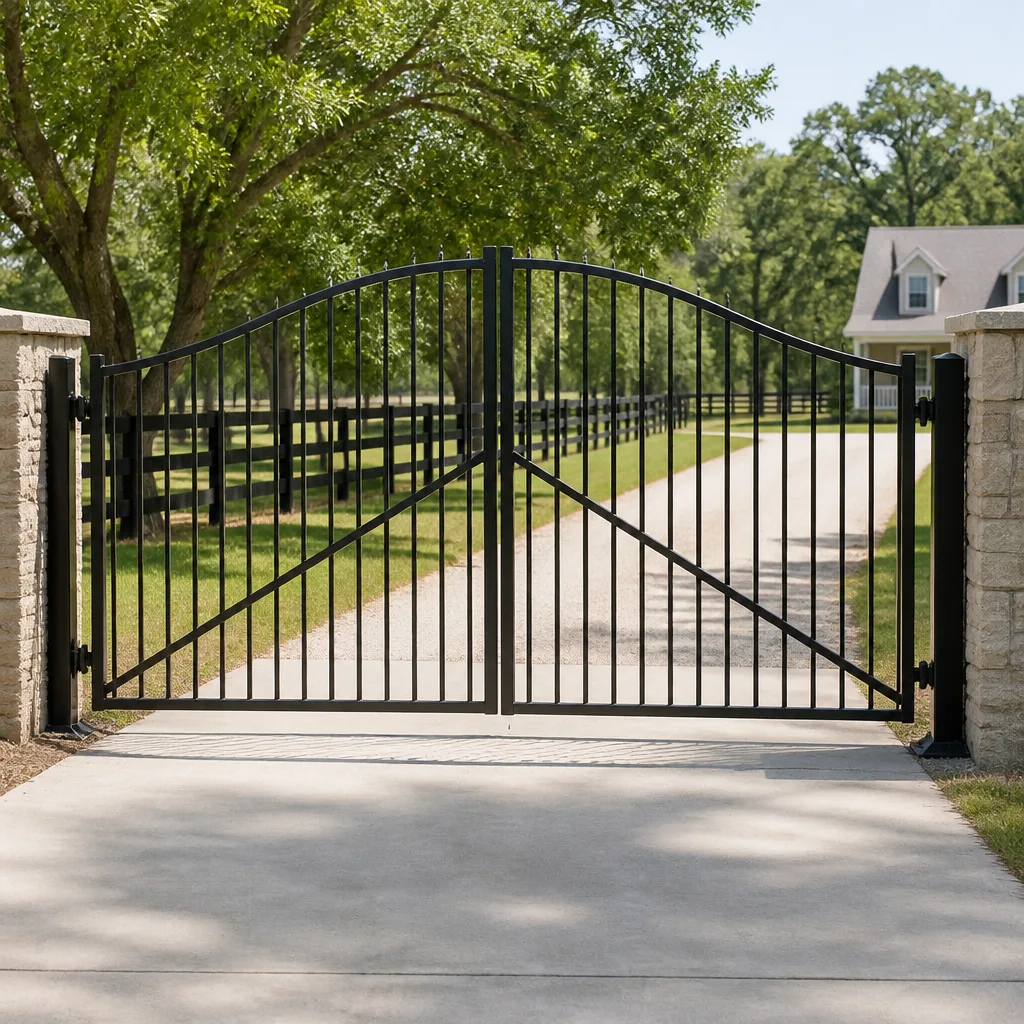 Farm & ranch
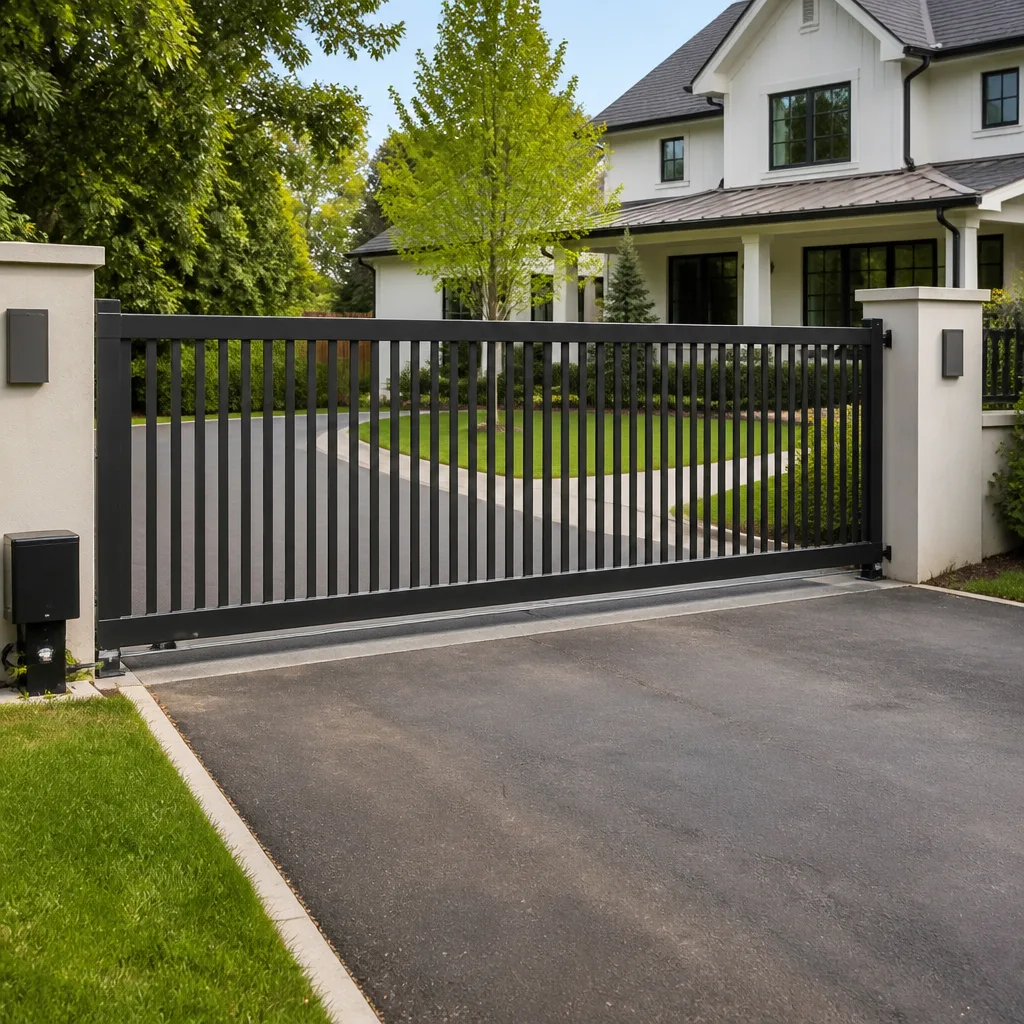 Sliding driveway gates
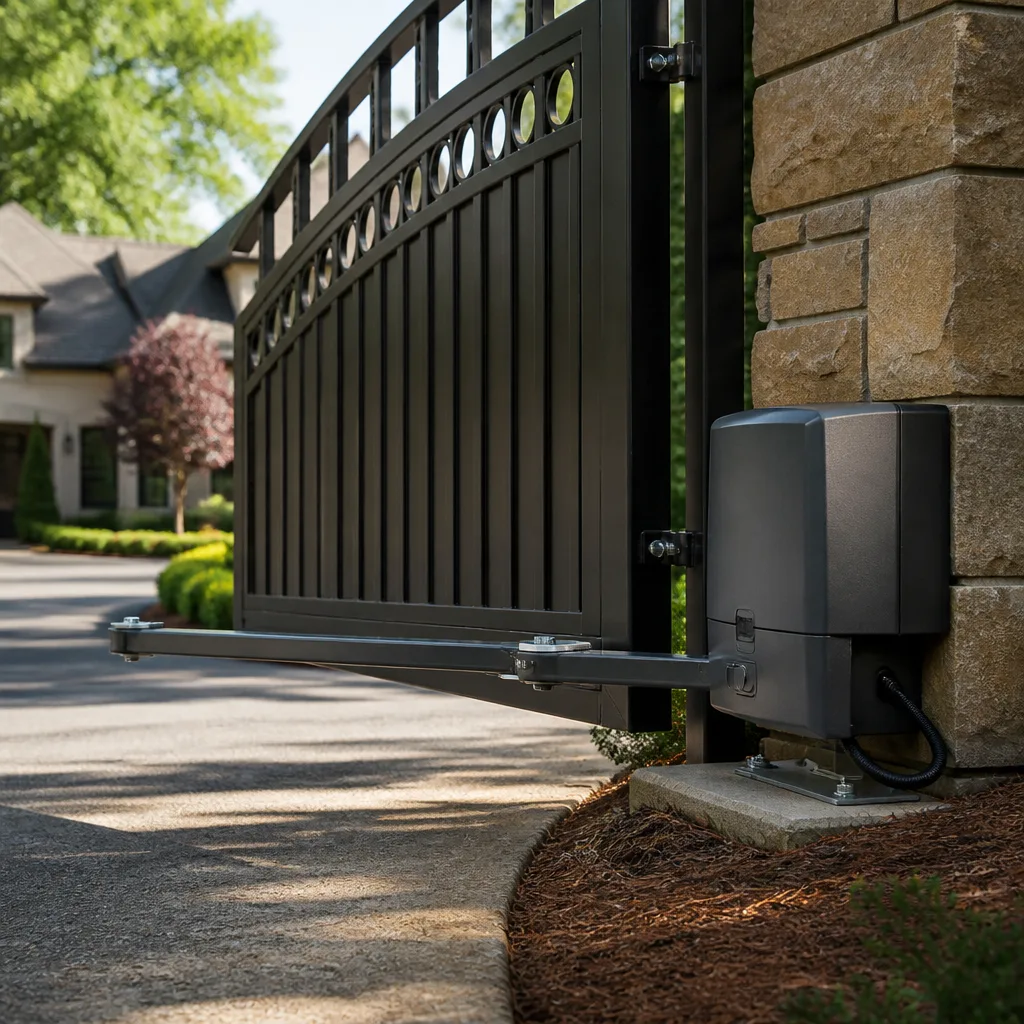 LiftMaster operators
Free on-site gate assessment - hinges, posts, and your LiftMaster or Nice gate operator checked before anything is quoted
The assessment is free and the quote is the invoice.
Get your free estimateThe Complete Guide to Gate Repair in Miami Gardens
Miami Gardens averages over 60 inches of rain per year and sits close enough to Biscayne Bay that salt air reaches inland properties. Those two forces, combined with relentless UV exposure, accelerate gate wear on a timeline most manufacturers never designed for. This guide explains why gates fail in Miami Gardens specifically, how to spot a failing gate before it locks you out, and what Gate Repair services actually involve. You’ll learn the difference between a fix that holds and one that masks a structural problem, and when Miami-Dade County code becomes part of the conversation.
Quick Answer
Gate repair in Miami Gardens typically costs between $185 and $650 for mechanical fixes, and between $400 and $1,800 when electric motors, control boards, or safety loops are involved. The most common failure points are salt-corroded hinges, water-damaged control boards, and UV-degraded sensor wiring. A qualified gate specialist can diagnose most issues in under an hour and complete same-week repairs when parts are available.
Table of Contents
- The Three Miami-Specific Forces That Kill Gates
- How Gate Type Changes the Repair Approach
- Brand-Specific Failure Points We See in Miami Gardens
- A Diagnostic Framework for Any Gate Failure
- Repair or Replace: An Honest Decision Matrix
- When Miami-Dade County Code Affects a Repair
- Electric Gate Repair: Motors, Boards, and Safety Loops
- Preventive Maintenance That Actually Works in This Climate
The Three Miami-Specific Forces That Kill Gates
Every gate manufacturer writes its spec sheets for a national average climate. Miami Gardens is not that climate. Understanding how local conditions attack your gate changes how you think about repairs, because the root cause matters more than the symptom.
Salt Air Corrosion
Properties in Miami Gardens, especially those east of I-95 or near canals and lakes, get enough salt in the air to corrode unprotected steel and aluminum hardware years ahead of schedule. We see gate hinges that should last 10 to 15 years fail in 5 to 7. Powder-coated surfaces develop pinholes where moisture gets underneath. Stainless steel fasteners resist the worst of it, but budget gates installed with zinc-plated hardware do not. When a hinge seizes or a weld fails from rust, the correction is not just swapping a part. It is replacing it with corrosion-rated hardware so the repair survives more than a season.
Standing Water After Rain Events
Miami Gardens gets heavy downpours in short bursts. Flat lots and compacted soil drain slowly, so gate posts and operator housings sit in standing water more often than most homeowners realize. Water wicks up into the post footings and corrodes the base of the post from the inside. For electric gates, this is even worse: operators mounted low to the ground take on moisture through their bottom seams. The control board inside shorts, or corrosion eats at the motor’s internal windings. Any gate repair in Miami Gardens should include a check for water intrusion, because a motor that failed from internal moisture will fail again if the water path is not fixed.
UV Degradation of Plastics and Wiring
South Florida sunlight breaks down plastics, wire insulation, and rubber seals fast. We regularly see photo-eye sensor wires with cracked insulation after four or five years of direct sun. Keypads and intercom panels fade and become brittle. The plastic gears inside some swing gate operators degrade more quickly in sustained heat. When we diagnose an intermittent gate, UV damage to sensor wiring is one of the first things we check, because the symptoms, gates that stop mid-cycle or reverse randomly, usually point to sensors.
How Gate Type Changes the Repair Approach
Sliding, swing, and vertical-lift gates do not fail the same way in a wet subtropical climate. The right repair approach depends on the gate type, and a generalist often misses this.
Swing Gates
Swing gates take the brunt of salt air and wind. A double swing gate in Miami Gardens handles wind load differently than one in Arizona; the panels act like sails during summer thunderstorms. That load transfers to the hinge posts. The first symptom is usually sagging, a gate that drags on the driveway. Over time the hinge welds crack or the post itself leans. Repair means rewelding or replacing hinges, resetting the post if it has shifted, and often converting to heavier-duty hinges rated for the gate’s actual weight and wind exposure. A swing gate operator on a sagging gate will also burn out its motor prematurely, because it is working harder than its duty cycle rating.
Slide Gates
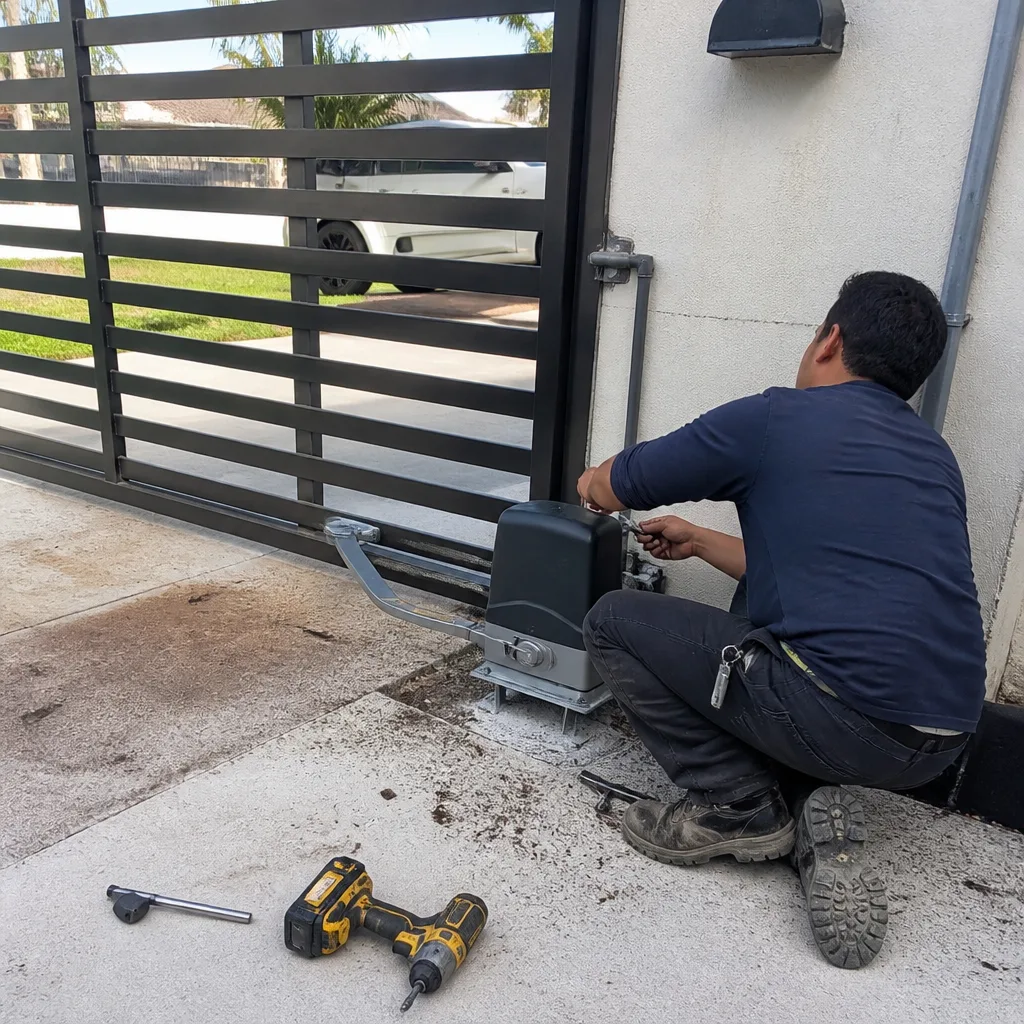
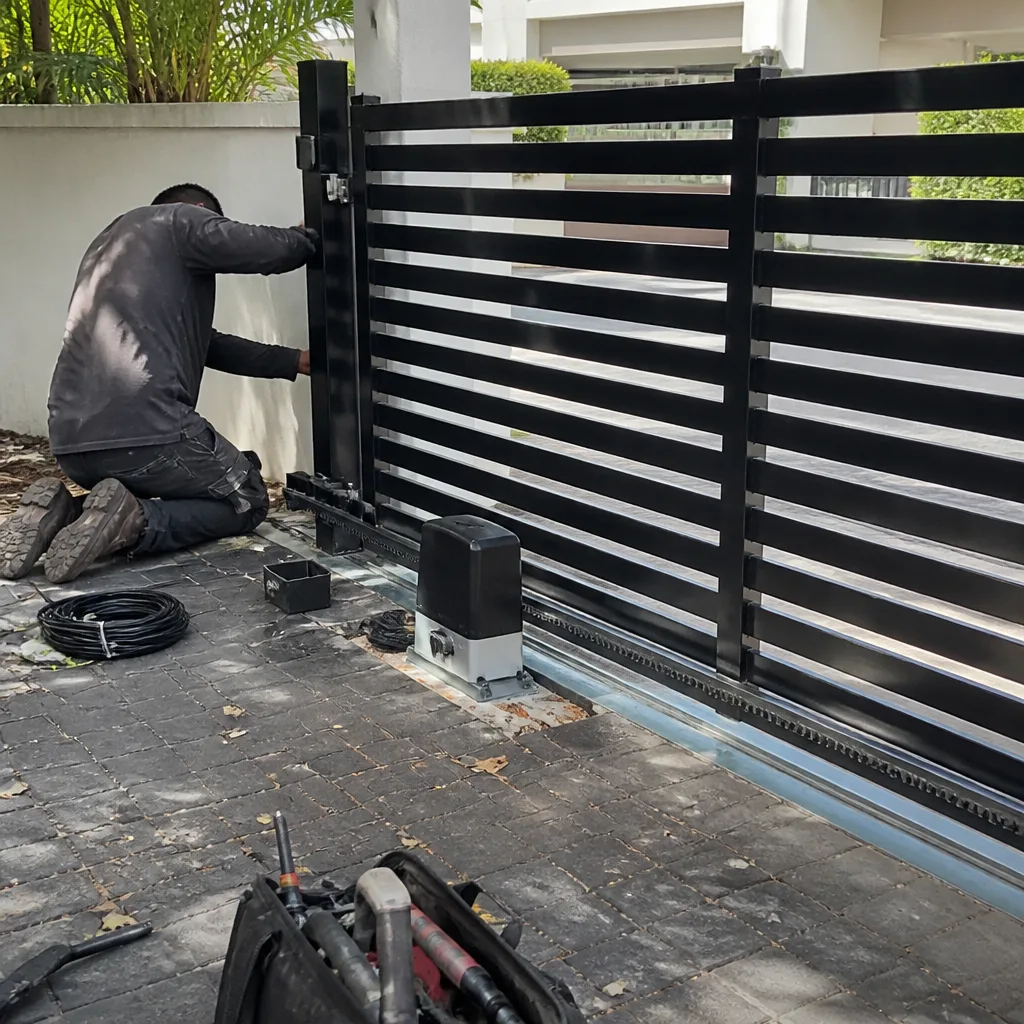
Slide gates ride on track wheels and guide rollers. In Miami Gardens, those wheels pick up sand, soil, and debris from heavy rain runoff. The wheels wear flat spots, the track gets grooves, and the gate starts to bind. Operators work harder and trip their safety limits. A proper slide gate repair addresses the rolling hardware first, cleaning and replacing wheels, greasing bearings, leveling the track, before touching the motor. Replacing the operator without fixing the rolling resistance means the new motor inherits the old problem.
Vertical-Lift Gates
Vertical-lift gates are less common in residential Miami Gardens but appear at commercial properties and some newer communities. They fail most often from water in the guide channels and corrosion on the counterweight cables. The repair is straightforward if caught early: replace the cables, lubricate the guides, and inspect the lift motor’s mounting. Caught late, a snapped cable can drop the gate panels, which becomes a safety issue as much as a repair issue.
Brand-Specific Failure Points We See in Miami Gardens
Most Miami Gardens neighborhoods have a mix of gate brands depending on when the property was built and who did the original installation. We work on the brand already on your property. Here is what we see from four of the most common systems:
- Ghost Controls: Popular for residential swing gates. The known failure point in South Florida is moisture intrusion at the control board housing. The boards do not love humidity cycles. Symptoms start with intermittent operation, then complete failure. The fix is usually board replacement with a better-sealed housing.
- DoorKing: Common in HOA communities and commercial properties. DoorKing operators are rugged, but their limit switches and safety loop detectors wear out with heavy cycling. A gate that opens fine but will not close, or closes then reverses, usually points to a failing safety loop detector rather than the motor itself.
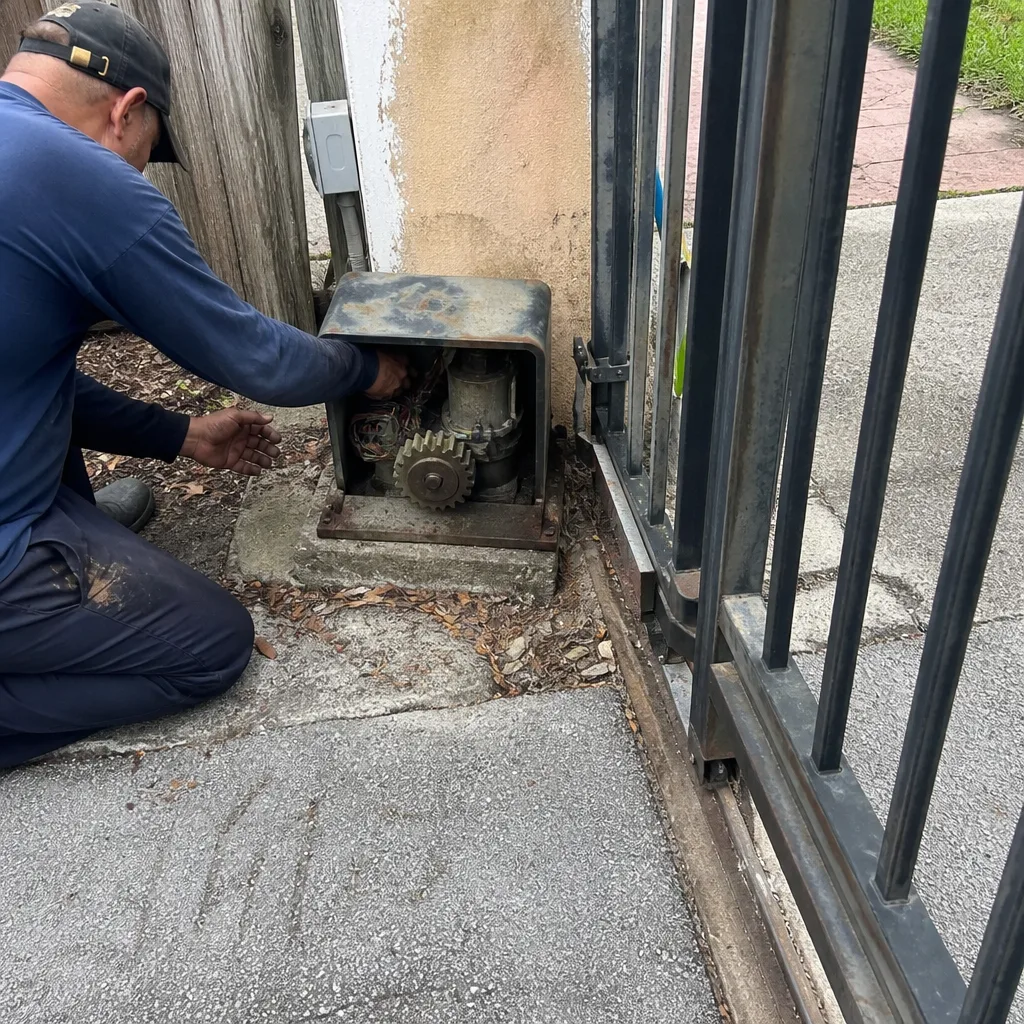
- Elite: Found on many mid-range residential installs. Elite swing gate operators develop gear wear from the constant humidity and heat. The symptom is a grinding noise at the start and end of travel. Early repair is a gear kit; late repair is a full operator replacement.
- Mighty Mule: The most common DIY-installed system. We see many Mighty Mule units in Miami Gardens where the installer skipped the surge protector or mounted the operator too low. Power surges from South Florida thunderstorms and standing water are the two biggest killers. Repair often means replacing the control board and adding surge protection.
This is not a full brand list. We are factory-familiar with nine major gate systems including LiftMaster, FAAC, BFT, Linear, and Viking, because Miami Gardens properties carry all of them. The point is that diagnosis is faster when the technician already knows the brand’s failure points. Diagnosed, not guessed.
A Diagnostic Framework for Any Gate Failure
When your gate stops working, the problem falls into one of four categories. Working through them in order saves time and rules out the cheap fixes before assuming the expensive one.
- Power and electrical supply. Is the operator getting power? Check the breaker, the GFCI outlet if one is nearby, and the transformer light on the operator. A tripped GFCI is the single most common call we get in Miami Gardens, especially after a thunderstorm.
- Mechanical binding or resistance. Can the gate move freely by hand when the operator is disengaged? If not, the problem is mechanical, hinges, wheels, track, or debris, not the motor. Repairing the operator without freeing the mechanical system is wasted money.
- Safety sensor or loop interruption. Do the photo-eye sensors have a clear, aligned beam? Is the ground loop detector showing a fault? In Miami Gardens, UV-cracked sensor wiring and water-damaged loop housings are frequent culprits.
- Operator or control board failure. Only now do you look at the motor and board. If the power is good, the gate moves freely, and the sensors are clear, the operator is the likely failure point. With brand-specific knowledge, this step is a diagnosis, not a process of elimination.
Repair or Replace: An Honest Decision Matrix
Our philosophy is repair first, replace only when necessary. But there are times when replacement is the more honest recommendation. Here is how we think about it in Miami Gardens conditions.
Repair makes sense when:
- The gate structure itself is sound: posts are stable, welds are intact, panels are not perforated with rust.
- The operator is less than 8 to 10 years old and the failure is isolated to a replaceable part like a board, gear kit, or motor.
- The failure is environmental and fixable, like adding surge protection or sealing a control box against water.
Replacement makes sense when:
- The gate posts are leaning or the gate panel is structurally compromised by internal rust. A gate that sags and drags will keep breaking operators.
- The operator has failed repeatedly and the cost of repeated repairs over 18 months approaches the cost of a new, properly sealed unit in this climate.
- The gate is a code-compliance issue waiting to happen: missing safety edges, no obstruction sensing, or an operator that predates current Miami-Dade requirements.
A temporary fix that masks a structural problem is not a repair. We will tell you which one you are looking at. The permanent variety costs less per year of service, even if the upfront number is higher. For full replacement work, see our Gate Installation in Miami Gardens page.
When Miami-Dade County Code Affects a Repair
Miami-Dade County has specific requirements for automatic gates, and they are not only for new installations. A repair can trigger code requirements if the gate’s safety systems have been bypassed or if the repair constitutes a substantial change to the system.
Under Miami-Dade enforcement, automatic vehicular gates must have functioning obstruction-sensing devices, photo-eyes, safety edges, pressure sensors, or equivalent entrapment protection. If a previous owner or a handyman bypassed those sensors, restoring them is not optional. It is a code requirement and a safety issue. Gates must also comply with wind-load standards updated after Hurricane Andrew. A gate installed in 2003 may not meet current standards, and a major structural repair can require bringing the gate into compliance.
This is where working with a gate specialist matters. We know what Miami-Dade inspectors look for on repair permits and what falls under maintenance versus what requires a permit. We also know when a repair is re-classified as an alteration under county code. That knowledge can save a property owner from redoing work.
Electric Gate Repair: Motors, Boards, and Safety Loops
Electric gate repair is a core specialty for us, not an add-on. From the motor to the hinge, the whole system is in scope. Here is what that actually covers.
Motors and operators. Swing gate motors, slide gate operators, and barrier arm operators all have duty cycles and torque limits. When a motor burns out, it is usually because something upstream is wrong. Replacing the motor without addressing that upstream cause means the new motor burns out next. We always trace the cause, never just swap the symptom.
Control boards. The control board is the brain of the system. South Florida humidity and thunderstorms mean boards fail from moisture and power surges. We replace boards with proper surge protection added where the original install lacked it. That is the difference a specialist makes: fixing the failure and the reason for the failure.
Safety loops and photo-eyes. Ground loops detect vehicles and prevent the gate from closing on a car. When a loop fails, the gate usually stays open or will not close automatically. Photo-eyes serve the same detection purpose at beam level. We frequently repair loop detector wires that have been damaged by mowers, standing water, or heat.
Wiring. Low-voltage wiring in this climate degrades fast. Corroded splices, cracked insulation, and water in junction boxes create intermittent failures that drive homeowners crazy because the gate works until it does not. We trace and repair wiring runs, replacing degraded sections with direct-burial rated wire.
For more detail on this topic, see our Electric Gate Repair in Miami Gardens page.
Preventive Maintenance That Actually Works in This Climate
Most gate maintenance advice is generic and written for dry climates. Here is what actually extends gate life in Miami Gardens.
- Wash the gate every three months. Salt, sand, and organic debris accumulate on hinges, tracks, and operator housings. A garden-hose rinse removes salt before it has time to corrode, and it takes fifteen minutes.
- Lubricate hinges and wheels with a marine-grade lubricant. Regular WD-40 is not enough in this humidity. A marine-grade product designed for saltwater environments resists washout and lasts longer between applications.
- Check the operator housing seal twice a year. Look for gaps in the seal, cracks in the housing, and any sign of water inside, including mildew smell. Most Miami Gardens operator failures start with a compromised housing.
- Inspect photo-eye lenses and alignment monthly during the rainy season. Rain, mud splash, and debris accumulation knock sensors out of alignment. A misaligned sensor stops the gate or causes false reversals.
- Add surge protection if it is not already installed. South Florida is the lightning capital of the United States. A $75 surge protector on the operator power line can prevent a board replacement that costs $300 to $700.
- Test the manual release twice a year. You need to know how to open the gate by hand when the power goes down during hurricane season. If the release is stiff or seized, lubricate or replace it before you need it in an emergency.
Common Mistakes to Avoid
- Ignoring gate noise. A gate that grinds, squeals, or shudders is telling you something. The cost to repair a worn gear kit is a fraction of a full operator replacement caused by ignoring it for a year.
- Using the wrong hardware for repairs. Bolting a new hinge on with zinc-plated hardware from a big-box store in Miami Gardens is a six-month fix. Salt air will eat it. Corrosion-rated fasteners cost a few dollars more and last years.
- Pressure-washing the operator. High-pressure water forces moisture past seals and into control boards. We see this mistake regularly. Hose-rinse the gate panel, but never spray the operator housing directly.
- DIY board replacement without surge protection. Installing a new control board without adding surge protection is like patching a roof leak from the inside. The next thunderstorm fries the new board.
- Bypassing safety sensors to make the gate work. Some homeowners bypass photo-eyes or loops to force the gate to close. Beyond the obvious safety risk, this violates Miami-Dade code and creates liability if someone is injured.
- Replacing the operator before checking the mechanical condition. A new motor on a binding gate is a wasted motor. Always free the mechanical system first.
When to Call a Professional
Call a gate specialist when the gate will not move at all, when it moves partially and reverses, when you smell burning from the operator, or when you see visible sagging, leaning posts, or cracked welds. Any electrical work on a gate operator should be handled by someone trained on the system, because operators hold residual current even when unplugged, and wiring errors can damage new boards. Safety loops and photo-eyes are code-required devices; their correct configuration matters. Archway Gate Repair offers free estimates in Miami Gardens. Call (855) 360-5306 and we will tell you what is wrong and what it costs before any work begins.
Frequently Asked Questions
Gate repair in Miami Gardens averages $185 to $650 for mechanical work like hinge replacement, wheel replacement, or track leveling. Electric repairs run $400 to $1,800 depending on whether the failure is a sensor, a board, or a full operator replacement. The price is quoted and agreed before any work starts, so there are no surprise invoices. Call (855) 360-5306 for an exact quote on your gate.
Many mechanical repairs and sensor fixes can be completed the same day, especially if the failure is a misaligned photo-eye, a tripped breaker, or a freed hinge. Board and motor replacements may take one to three business days depending on parts availability for your brand. Call (855) 360-5306 and describe the symptoms, and we will tell you honestly whether it is a same-day fix.
Intermittent operation in Miami Gardens is most often caused by UV-degraded sensor wiring, water in a junction box, or a failing safety loop detector. These failures are environmental, not mechanical. They create open circuits only under specific conditions, like after rain or during peak afternoon heat. A systematic wiring and sensor diagnosis traces the fault, and the repair holds because it addresses the actual failure point.
We work on the brand already on your property. Archway Gate Repair is factory-familiar with nine major gate systems including LiftMaster, FAAC, BFT, Linear, Viking, Ghost Controls, DoorKing, Elite, and Mighty Mule. That means the technician who arrives already knows your system’s known failure points, which shortens diagnosis time and prevents parts guesswork.
Routine maintenance and component replacement generally do not require a permit under Miami-Dade County code. A repair that changes the gate’s structure, like welding new posts or changing the gate leaf size, may be classified as an alteration and require a permit. If safety devices have been bypassed, restoring them is required regardless of permit status. We can tell you which side of the line your repair falls on before work begins.
A properly installed steel or aluminum gate should last 15 to 20 years in Miami Gardens with basic maintenance, but components fail earlier. Hinges and wheels typically need replacement in 5 to 8 years, and electric operators last 8 to 12 years before the board or motor requires work. Gates installed with cheap hardware or without surge protection fail significantly sooner. The climate asks more of the gate than the manufacturer expected.
The Bottom Line
Gate repair in Miami Gardens is not a parts-catalog exercise. It is diagnosis driven by local conditions: salt air corroding hardware, standing water attacking electronics, and UV degrading everything plastic. The gate type and brand determine where failure is most likely, and code compliance shapes what a proper repair must include. A specialist who knows the climate and the brands can fix the failure and the reason for the failure. That is the difference between a gate that works for a season and a gate that works for a decade. For any gate issue in Miami Gardens, Gate Repair in Miami Gardens starts with a free estimate. Call (855) 360-5306.
Written by the team at Archway Gate Repair, serving Miami Gardens since 2011.
Styles & brands we work with
See the difference
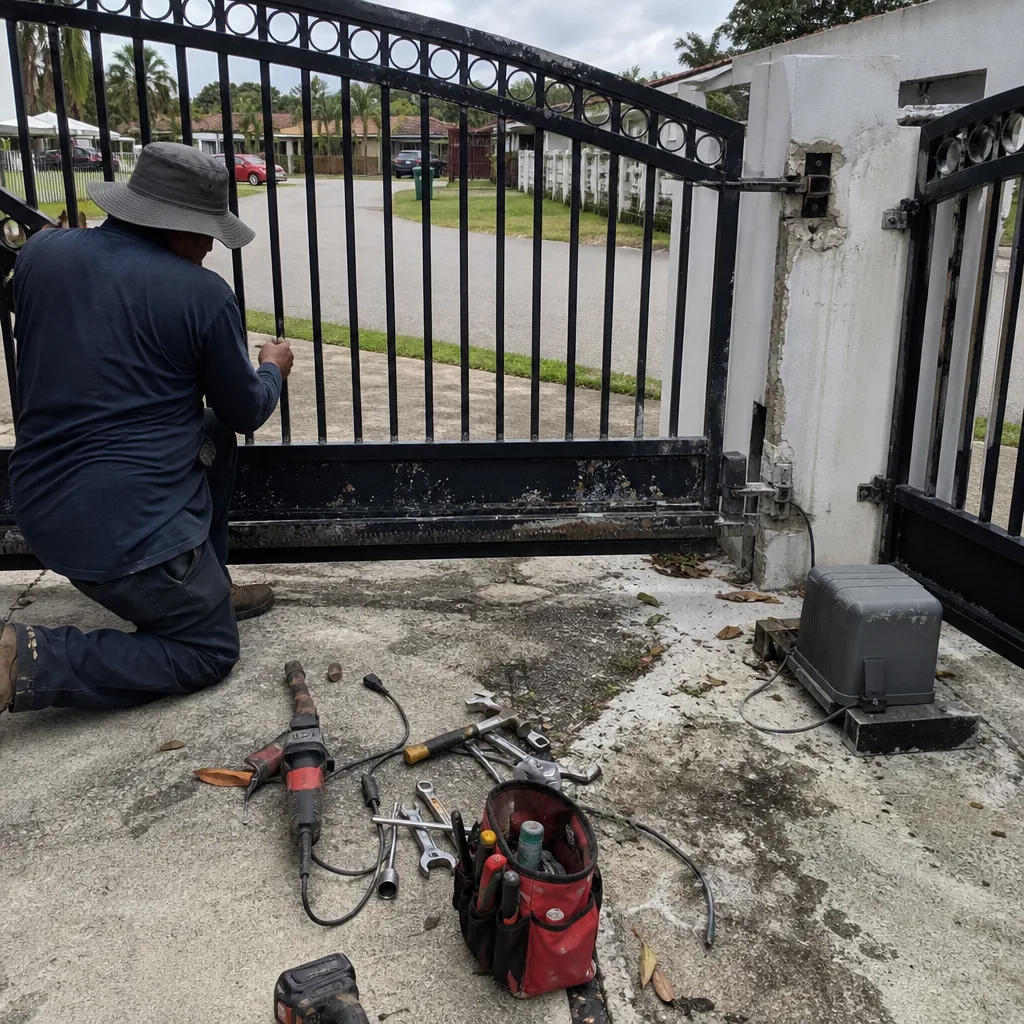 Before
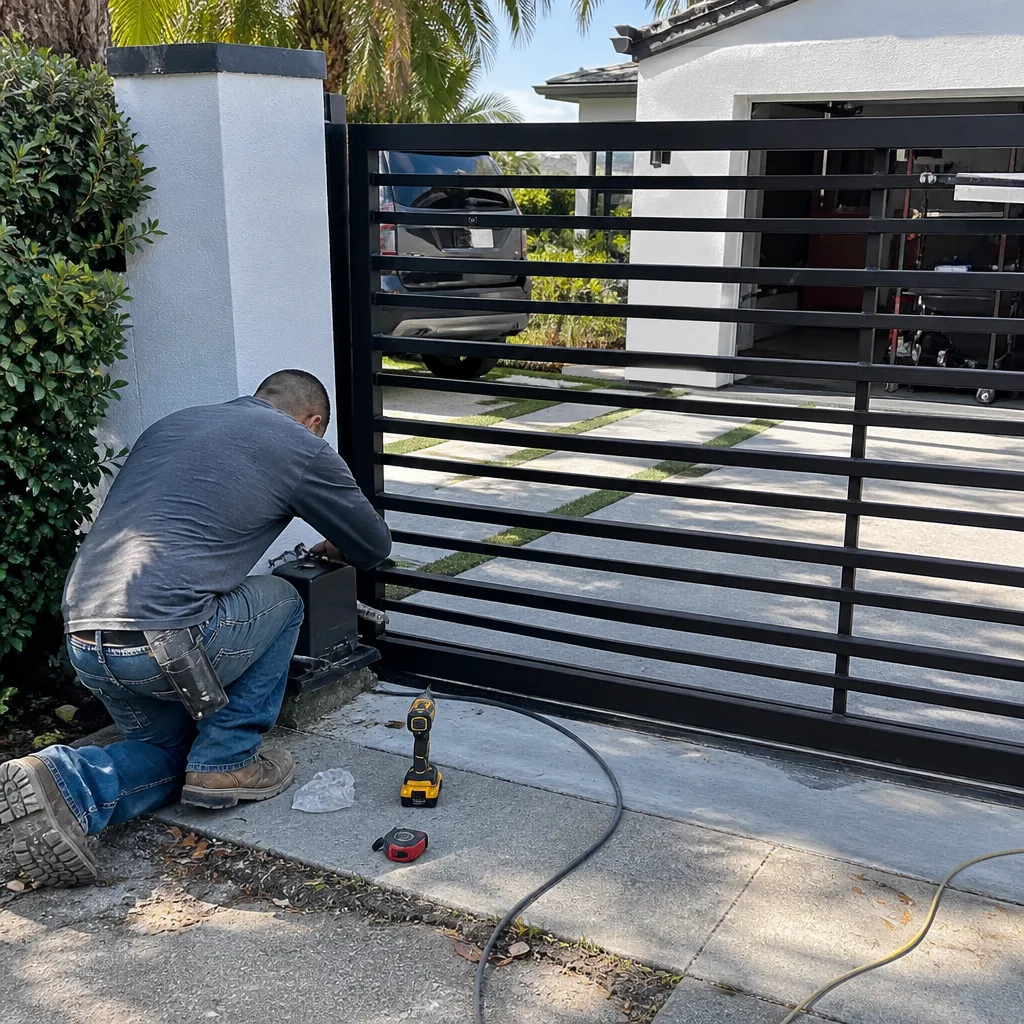 After
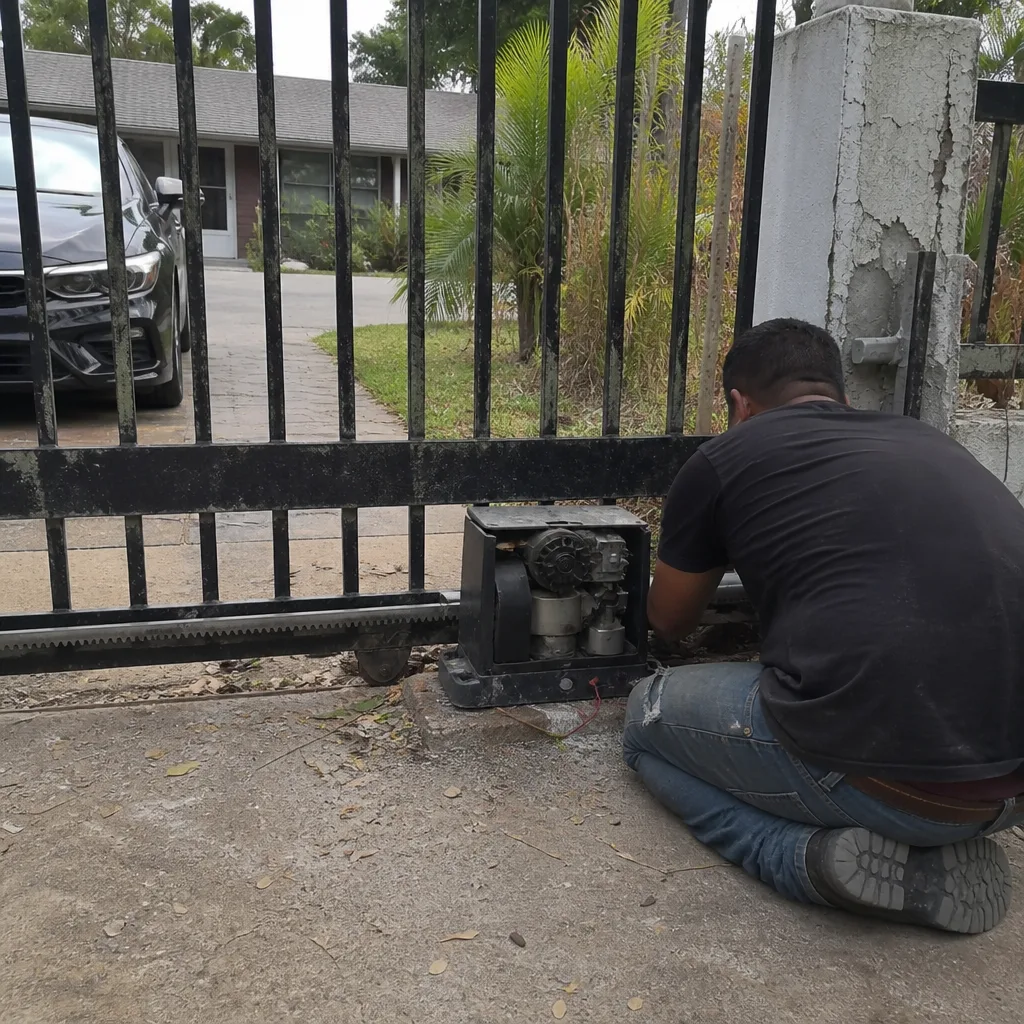 Before
 After
 Before
 After