
Last updated October 30, 2026
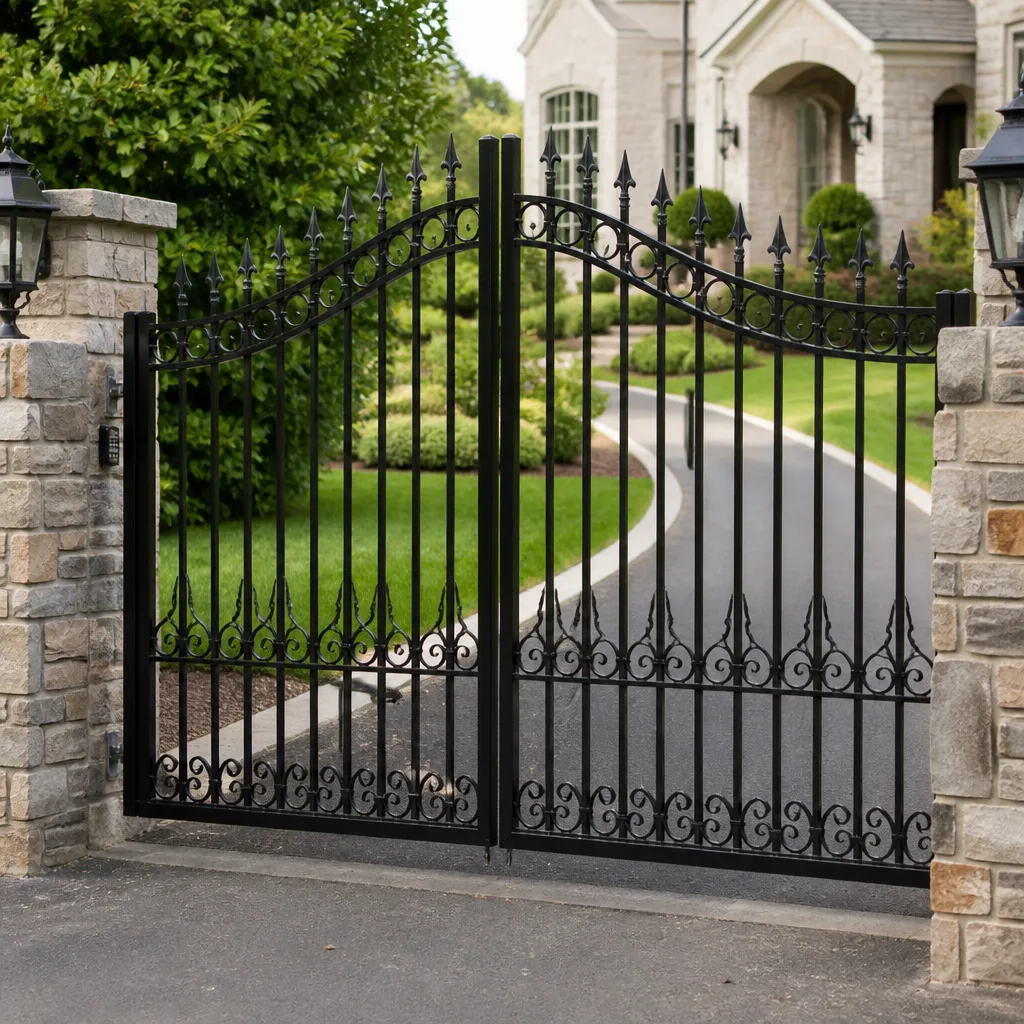 Wrought iron
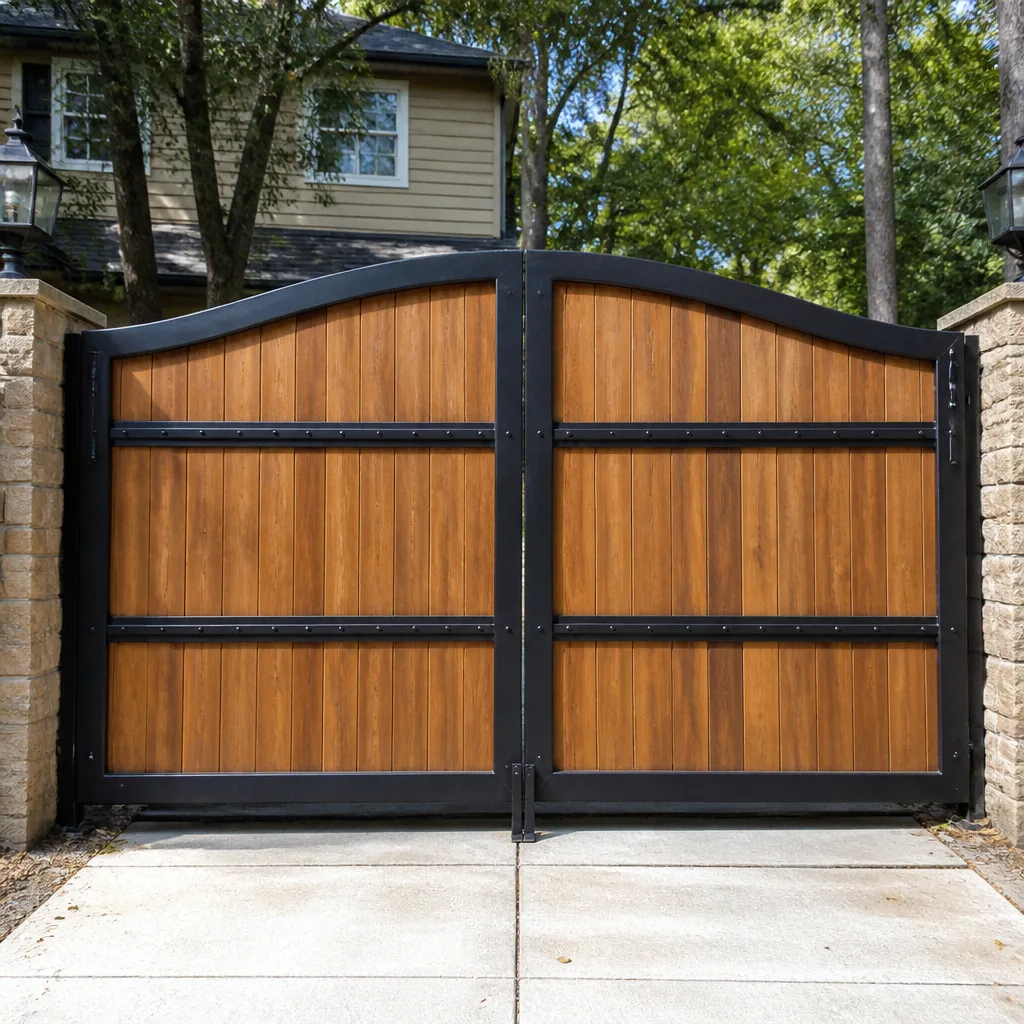 Wood & steel frame
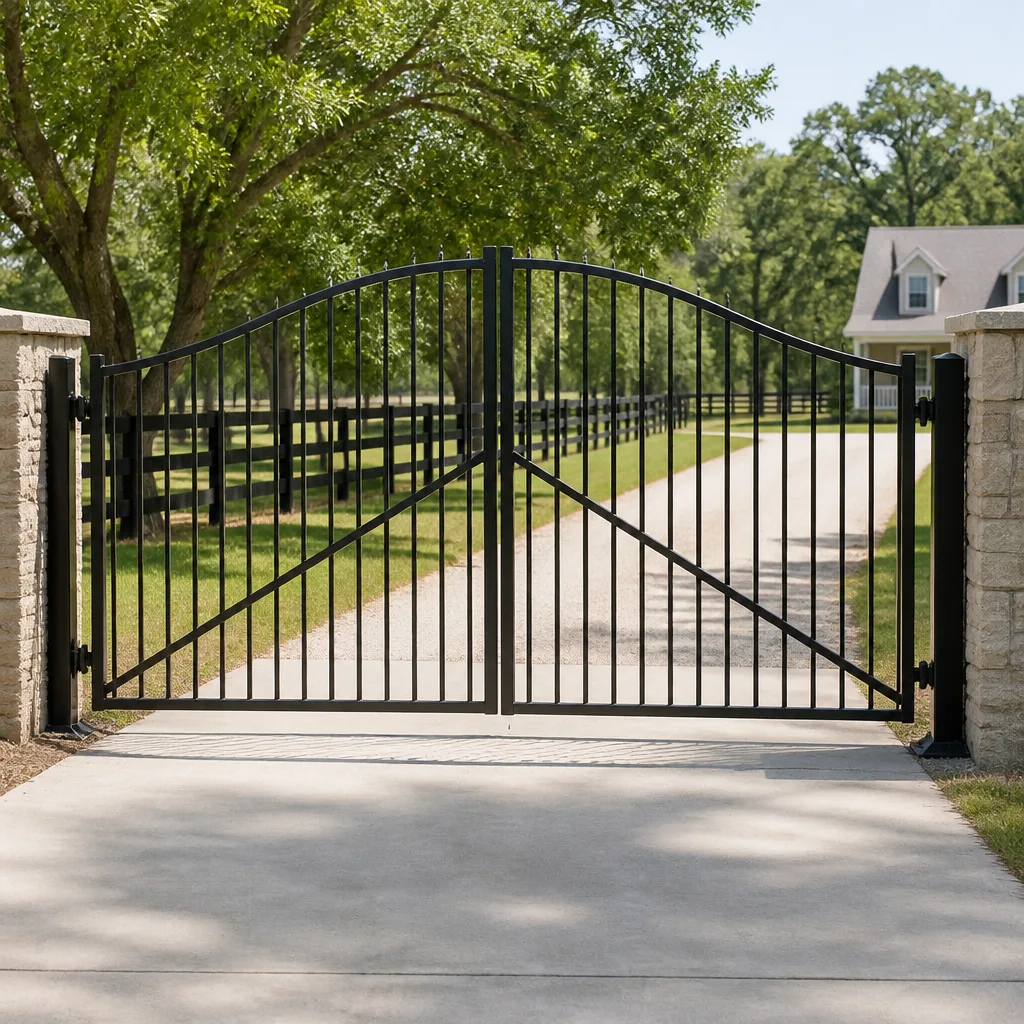 Farm & ranch
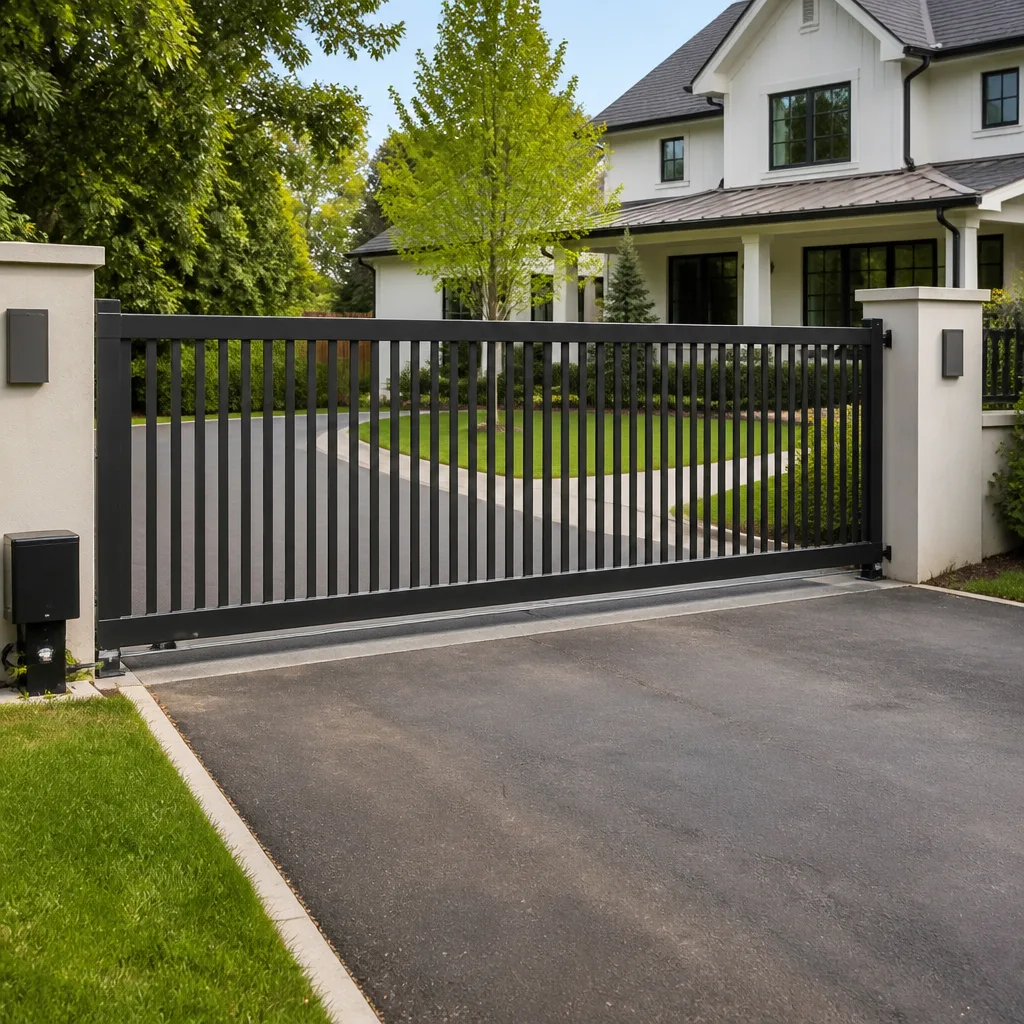 Sliding driveway gates
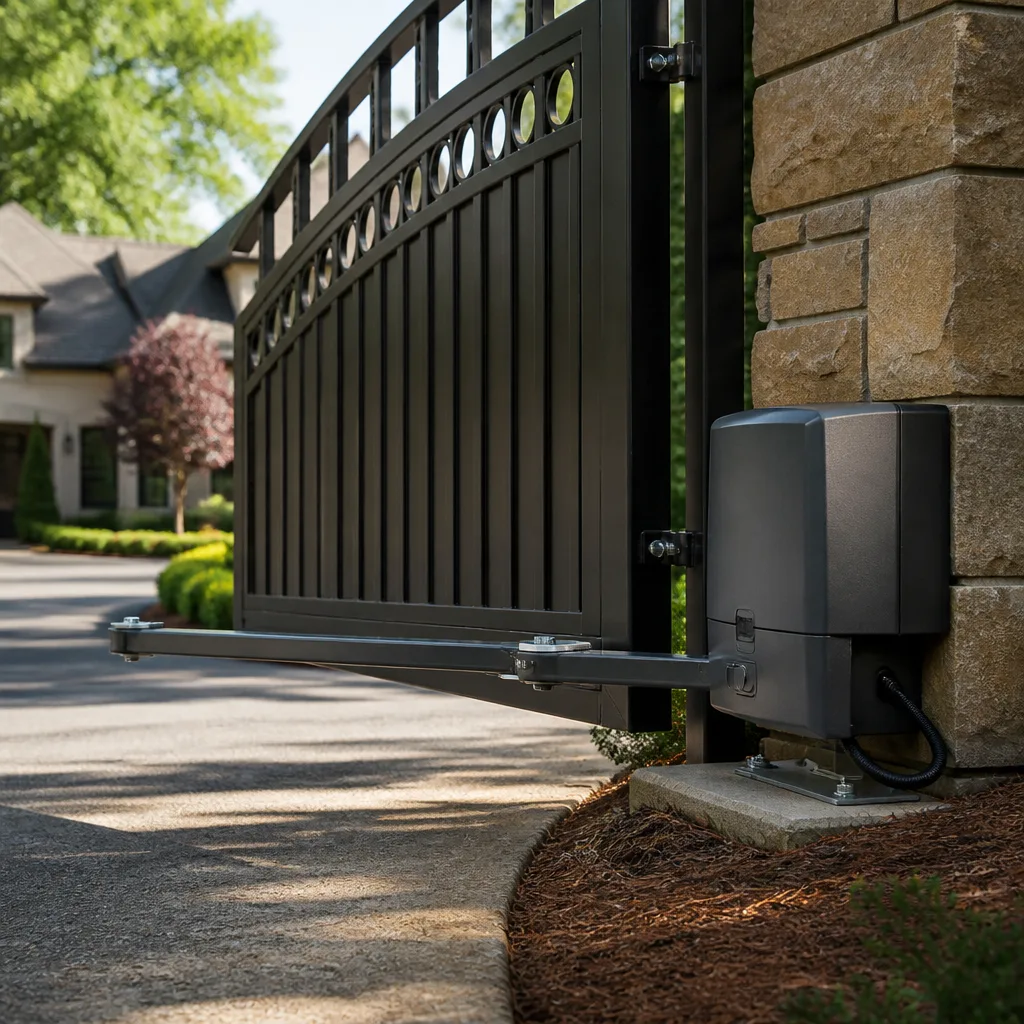 LiftMaster operators
Free on-site gate assessment - hinges, posts, and your LiftMaster or Nice gate operator checked before anything is quoted
The assessment is free and the quote is the invoice.
Get your free estimateGate Repair Permits, Codes & Inspections in FL: What You Need to Know
Florida wraps gate work in a knot of building code, UL safety standards, and local amendments that most property owners never see coming. The trigger for a permit isn’t always a brand-new gate swinging across fresh concrete. In Miami-Dade County, replacing an electric gate operator can require a permit pull just as surely as a full installation, and the difference between “repair” and “replacement” is where the trouble hides. We’ve watched Miami Gardens homeowners discover this at the worst possible moment: an insurance claim denied because the gate work was technically unpermitted. This guide maps every permit trigger, inspection checkpoint, and HOA trap so you know exactly where your gate project stands before the first wrench turns. For Gate Repair Troubleshooting: Common Problems and How to Fix Them, see our dedicated walkthrough.
Styles & brands we work with
Quick Answer
Gate repair permits in Florida depend on what you’re doing and where you live. In Miami-Dade County, replacing an electric gate operator or motor, modifying gate framing, or installing a new automated gate generally requires a permit and inspection. Simple mechanical repairs, like replacing hinges, wheels, or a bent gate leaf, typically do not. The safest move is to confirm with your local building department before any work starts, or work with a contractor who offers Gate Repair services and pulls the permit for you.
Table of Contents
- When Does a Gate Repair Need a Permit in Florida?
- Miami-Dade County Specifics: The Local Amendments That Matter
- UL 325 Compliance: Why Florida Inspections Are Strict About Automatic Gates
- How to Confirm Your Existing Gate Was Permitted (And What to Do If It Wasn’t)
- The HOA Overlay: Miami Gardens Community Covenants on Top of County Code
- What a Florida Gate Inspection Actually Checks
- What Permits and Inspections Cost in Miami-Dade County
- Common Mistakes to Avoid
- When to Call a Professional
- Frequently Asked Questions
- The Bottom Line
When Does a Gate Repair Need a Permit in Florida?
Florida Building Code (FBC) treats gates as structures, which means they fall under the same permitting logic as a fence, a wall, or a carport. The general rule: you need a permit when you alter the structural or electrical characteristics of the gate system. What you don’t need a permit for is routine maintenance and like-for-like component swaps that don’t change how the gate operates.
Here is the breakdown that most property owners never get told:
- Permit required: Replacing an electric gate operator or motor, installing a new automated gate from scratch, adding automation to a previously manual gate, modifying the gate frame or support posts, changing the gate’s swing direction, or running new electrical circuits to the gate.
- No permit required: Replacing hinges, wheels, rollers, or guide tracks, welding a crack in the gate leaf, replacing a keypad or remote receiver, swapping a failed control board for an identical unit, lubricating and adjusting existing hardware, and repainting or cosmetic refinishing.
Notice the pattern? Anything that changes how the gate moves or how it is powered is a permitting event. Anything that restores the gate to its original condition is repair. That distinction matters because Miami-Dade County enforces it aggressively, and insurance companies use it to deny claims.
One practical example: a homeowner in Miami Gardens replaces a worn-out FAAC operator with a new FAAC unit of a different model. Same brand, same location, but a different model means different electrical draw and different safety sensor configuration. Under Miami-Dade’s interpretation, that’s a replacement requiring a permit. Swap the control board only, and it’s a repair. The line is thin, but it is real.
Miami-Dade County Specifics: The Local Amendments That Matter
Miami-Dade County operates under the Florida Building Code but adds its own layer of amendments through the Miami-Dade County Code, Chapter 8. This creates a stricter environment than most of Florida, and it’s the reason property owners in Miami Gardens should not rely on generic Florida gate advice. See our Gate Repair Warning Signs: A Miami Gardens Homeowner’s Reference Guide for local specifics.
Three Miami-Dade specifics that affect gate work directly:
- Operator replacement is a permit event, full stop. Miami-Dade’s product control division treats any change to the operator as an alteration to the gate system requiring review. There is no “minor repair” exemption for motors, unlike some Florida counties that allow operator swaps under a maintenance allowance.
- Wind load calculations are mandatory for gate installations. Miami-Dade sits in a High Velocity Hurricane Zone (HVHZ), which requires structural calculations for any new gate or significant gate modification. A gate that fails in a hurricane becomes a projectile. The county will not issue a permit without wind load documentation.
- Notice of Acceptance (NOA) products get faster review. Miami-Dade maintains a product control system where manufacturers submit their equipment for approval. Gates, operators, and safety devices with a current NOA sail through the review process faster than non-approved products. This is one reason we favor brands with established Miami-Dade NOAs, including FAAC, BFT, and Linear systems that have been through the county’s product control process.
If your gate work is in Miami Gardens, the permitting path runs through the city’s Building Department, which coordinates with Miami-Dade County on code enforcement. The city handles the intake and inspection scheduling; the county’s HVHZ standards govern the engineering.
In our experience, Miami Gardens inspectors are thorough about operator mounting and safety sensor placement, and they will not close out a permit on an electric gate without confirming UL 325 compliance. We’ll get to that next, because it’s where most DIY automation projects fail inspection.
UL 325 Compliance: Why Florida Inspections Are Strict About Automatic Gates
UL 325 is the national safety standard for automated gate operators, and Florida adopted it into the Building Code. The short version: any automatic gate opener must include entrapment protection, and the installer is expected to verify that protection works under real conditions, not just on paper.
What an inspector is looking for when they check UL 325 compliance:
- Entrapment sensors on both sides of the gate. Photoelectric eyes or contact edges that detect a person, vehicle, or object in the gate’s travel path and reverse the gate immediately.
- Force settings that don’t exceed the allowed limit. The operator’s closing force must be set low enough that the gate reverses on contact with a soft object. Inspectors may test this with a gauge.
- Warning signage. Gates that operate automatically must post visible warning signs about automatic operation, particularly at pedestrian access points.
- Secondary entrapment protection devices. Beyond the primary sensor, UL 325 calls for a secondary mechanism like an audible alarm or a reversing edge on certain gate types.
The practical problem we see constantly: a gate operator that worked fine for years suddenly fails inspection after a repair because the safety sensors were never adjusted when the gate was reinstalled. The operator gets the blame, but the sensors were the issue all along. That’s one reason electric gate repair in Miami Gardens needs to be treated as a system diagnosis, not a part swap.
Brands like BFT and Viking build UL 325 compliance into their operator control boards, but the board can only do what the sensors tell it. A properly installed sensor loop, correctly wired and positioned, is the difference between passing inspection the first time and scheduling a re-inspection.
We should state this plainly: DIY automation of an existing manual gate is the most common source of UL 325 violations we see in Miami Gardens. The operator works, the gate moves, but the entrapment protection is missing or misconfigured, and the failed inspection creates a paper trail that complicates a future home sale.
How to Confirm Your Existing Gate Was Permitted (And What to Do If It Wasn’t)
Buying a Miami Gardens property with an existing automated gate does not guarantee the gate was permitted. Many gates are installed during property flips, renovations, or by previous owners who skipped the paperwork. Unpermitted gate work becomes a title issue later, because it represents an undocumented modification to the property.
Here is the five-step process to verify your gate’s permit history:
- Search the Miami Gardens Building Department’s permit database online. The city maintains digital records of permits issued for each address. Search by your property address and look for any permit with a description mentioning “gate,” “operator,” “automatic gate,” or “access control.”
- Check the Miami-Dade County property appraiser’s records. The appraiser’s office tracks permitted improvements. If your gate installation added value to the property and no corresponding permit appears in the appraiser’s records, that’s a red flag.
- Inspect the operator for a permit sticker or tag. Miami-Dade inspectors affix a small sticker or tag to approved installations. It’s not always present after years of weather, but if you find one, it’s a good sign.
- Request the seller’s disclosure during a purchase. Florida law requires sellers to disclose known unpermitted work. If you’re in the purchase process, ask directly.
- Call the Building Department and ask. A phone call with your property address in hand will settle the question in about fifteen minutes.
If you discover the gate was never permitted, you have options. The cleanest path is to file for a permit retroactively, which requires an inspection to confirm the installation meets current code. If the gate doesn’t meet code, you’ll need to bring it into compliance, which often means adding safety sensors, adjusting force settings, or relocating the operator. We’ve helped Miami Gardens homeowners through this process, and the most common fix is surprisingly simple: the gate itself is fine, the operator is fine, but the entrapment protection was never installed properly.
The worst option is ignoring it. Unpermitted gate work can trigger an insurance coverage denial if the gate ever causes property damage or injury. That exposure doesn’t age away.
The HOA Overlay: Miami Gardens Community Covenants on Top of County Code
Miami Gardens has dozens of HOA-governed communities, and many of them treat gates as an architectural element subject to approval. That means your gate project may need two green lights: one from the county, one from your HOA’s architectural review committee.
The HOA approval process in Miami Gardens typically works like this:
- Submit a modification request before any work begins. Most HOAs in Miami Gardens require written approval for any change to the gate’s appearance, including color, style, and automation. Even if the county wouldn’t require a permit for a specific repair, your HOA might still want to review it.
- Expect a design review period of two to four weeks. HOA boards meet on a schedule. Your gate project doesn’t move until the board has a chance to review it.
- Some HOAs restrict gate style and brand. We’ve seen Miami Gardens communities that only approve swing gates, or that prohibit certain operator brands because of noise concerns. BFT and FAAC operators tend to clear review quickly because of their low-noise operation profiles, but every board is different.
- Failing to get HOA approval can result in fines or a forced reversal. Your HOA can’t issue building permits, but it can fine you for covenant violations, and in some cases it can require you to restore the gate to its prior condition at your own expense.
The sequence that works in Miami Gardens: check HOA rules first, then pull the county permit, then schedule work. Reversing that order is the most common HOA conflict we hear about, and it’s always more expensive to fix than to prevent.
What a Florida Gate Inspection Actually Checks
Once your gate work is complete, a Miami-Dade or Miami Gardens inspector will visit to close out the permit. Most gate inspections take fifteen to thirty minutes, and they’re structured around a checklist that follows FBC and UL 325 requirements. Knowing the checklist before the inspector arrives is the difference between passing on the first visit and paying for a re-inspection.
Here is what the inspector will examine, in order of what fails most often:
- Entrapment protection operation. The inspector will place an object in the gate’s path and verify that the gate reverses before or upon contact. This is the number one failure point. Sensors must be aligned, wired to the correct terminals, and mounted at the specified height.
- Operator mounting and anchoring. The operator must be mounted securely to its pad or post, with no wobble or misalignment. In Miami-Dade’s HVHZ, anchoring requirements are stricter than in most of Florida because the gate assembly must withstand hurricane-force winds.
- Electrical connections. All wiring must be in conduit or properly rated for exterior use, with no exposed splices. GFCI protection on the power circuit is standard.
- Warning signage. Automatic gates need visible signage warning pedestrians that the gate operates automatically. Missing signs are an easy failure to avoid.
- Manual release operation. The inspector will verify that the gate can be manually opened in case of power failure, and that the release mechanism is accessible but tamper-resistant.
- General condition. The gate must be plumb, level, and free of hazardous edges or pinch points. A sagging gate that scrapes the ground will fail inspection, as will any condition that creates an entrapment risk.
For electric gate repair work specifically, we always recommend a pre-inspection walkthrough with the technician who performed the work. A second set of eyes on sensor alignment and force settings before the official inspection saves time and eliminates most re-inspection fees. If you’re having gate installation done in Miami Gardens, ask your contractor whether they handle the inspection scheduling, because some do and some leave it to the homeowner.
What Permits and Inspections Cost in Miami-Dade County
Permit costs in Miami Gardens vary by project scope, but you should budget for the paperwork before you budget for the gate itself. Here’s a realistic breakdown based on current fee schedules:
- Residential gate repair permit (electrical only): $75 to $150, covering the operator replacement or electrical circuit work.
- New residential automatic gate installation permit: $200 to $400, which includes the structural review, electrical review, and wind load documentation.
- Commercial gate permit: $400 to $1,000 or more, depending on gate size, traffic control requirements, and access control complexity.
- Re-inspection fee: $75 to $150 if the first inspection fails and a second visit is required.
- HOA application fee (if applicable): $25 to $100, separate from county fees.
These numbers are for budgeting purposes, and the actual fee depends on your project’s valuation and the current Miami-Dade fee schedule. The bigger cost driver is usually the time: a permit that takes three weeks to issue delays the work by three weeks. If your gate is down and you need it operational, that’s a real cost, and it’s why we always recommend pulling permits early rather than treating them as an afterthought.
One note for property managers: commercial gate permits in Miami Gardens often require engineered drawings, which adds $300 to $800 in design costs before the permit application is even submitted. Budget for engineering from the start if you’re managing a commercial property.
Common Mistakes to Avoid
- Treating an operator replacement as a simple repair. In Miami-Dade, swapping out a failed Viking or Linear operator for a new unit is a permitted event. Treating it as routine maintenance is the fastest way to create an unpermitted-work problem on your property record.
- Skipping HOA approval because the county permit exists. We’ve seen Miami Gardens homeowners pull a county permit, complete the gate work, and then get fined by their HOA because the architectural review never happened. HOA approval and county permits are separate tracks.
- Automating a manual gate without entrapment protection. The operator will move the gate fine, but without UL 325-compliant sensors and force settings, the installation won’t pass inspection, and you’ll be paying for a re-inspection plus the sensor installation.
- Assuming the previous owner’s gate was permitted. Unpermitted gate installations are common in Miami Gardens, especially on flipped properties. Never assume. Verify through the building department before you buy or before you modify.
- Choosing the cheapest contractor without checking their permitting history. A contractor who offers to do the work “without all that paperwork” is handing you a problem that becomes yours alone. Unpermitted work becomes your liability the moment the contractor leaves the property.
- Using non-NOA products in Miami-Dade. Operators and gate components without a Miami-Dade Notice of Acceptance face slower permit review and may be rejected outright. Stick with manufacturers who’ve gone through product control, including the major brands we work with daily.
- Forgetting the manual release requirement. Even a fully automated gate must be openable by hand in a power failure or emergency. Missing or inaccessible manual release mechanisms are a guaranteed inspection failure.
At Archway Gate Repair home, our repair-first approach means we’ll tell you plainly whether your gate work needs a permit before we touch a single bolt. No surprises, no paper trail headaches down the road.
When to Call a Professional
If your gate project involves any electrical work, operator replacement, or structural modification, the smart move is to work with a gate specialist who already knows Miami-Dade’s permitting process and will pull the permit as part of the job. We handle the full ecosystem, from the motor to the hinge, including electric gate repair on FAAC, BFT, Linear, and Viking systems commonly installed across Miami Gardens. The wrong move is hiring a general handyman for automated gate work; the wrong wiring or a skipped sensor is all it takes to fail an inspection or create a genuine entrapment hazard. Archway Gate Repair offers free estimates in Miami Gardens, call (855) 360-5306 to schedule a walkthrough, and we’ll tell you exactly what your project needs including permits, before any work is scheduled.
If you’re in Miami Gardens and your electric gate is down while you sort through the permit process, electric gate repair in Miami Gardens is our core specialty. We can get your gate back online while the permit paperwork runs its course, keeping your property secure in the meantime.
Frequently Asked Questions
Yes, replacing an electric gate operator in Miami-Dade County requires a permit. The county treats operator replacement as a modification to the gate system, not routine maintenance. The permit path includes an inspection to confirm UL 325 compliance and proper electrical work. For a quote on permitted operator replacement, call (855) 360-5306.
You can repair a gate without a permit in Florida if the work is mechanical and doesn’t change the gate’s operation, such as replacing hinges, wheels, rollers, or welding a crack in the gate leaf. Electrical work, operator replacement, automation of a manual gate, and structural modifications require a permit in Miami-Dade County. If you’re not sure which category your repair falls into, call (855) 360-5306 and we’ll help you identify the difference.
An unpermitted gate installation creates title and insurance exposure. If the gate causes property damage or injury, your insurance carrier may deny the claim because the work was unpermitted. You can resolve an unpermitted gate by filing for a permit retroactively and scheduling an inspection. If the installation doesn’t meet current code, you’ll need to bring it into compliance, which often involves adding entrapment protection or adjusting operator settings.
Most Miami Gardens HOAs process automatic gate requests through their architectural review committee, and approval typically takes two to four weeks. Some HOAs restrict gate style, color, or operator brand, so check your community’s covenants before starting the county permit process. Missing HOA approval can result in fines or a forced reversal at your own expense.
A residential gate permit in Miami-Dade typically takes one to three weeks from application to issuance, depending on review volume and whether engineered wind load documentation is required. Commercial gate permits take longer, often four to six weeks, because of the additional review layers. Permits are issued, and inspections are scheduled after the work is complete, which means the total timeline from application to closed permit is usually four to eight weeks for residential work.
We service, repair, and install operators from FAAC, BFT, Linear, Viking, and several other major brands commonly installed throughout Miami Gardens. Brand familiarity matters with gate automation because each manufacturer’s control board, sensor wiring, and force settings are different. We work on the brand already on your property, and we don’t push replacement when a repair is the honest fix. For same-week service in Miami Gardens call (855) 360-5306.
If you’re planning a full replacement, our gate installation in Miami Gardens service includes pulling permits, scheduling inspections, and handling the paperwork from start to finish. We also provide gate repair throughout Miami Gardens for mechanical and structural issues that don’t require a permit.
The Bottom Line
Permits, codes, and inspections are the least exciting part of gate ownership, and the most expensive to get wrong. For more guides & resources on keeping your gate compliant and functional, explore our blog. In Miami-Dade County, the trigger for a permit is broader than most property owners expect, and skipping it creates risk that follows the property through title and insurance. If you’re repairing a mechanical component, you’re likely clear. If you’re touching the operator, the electrical, or the gate structure, pull the permit. Confirm HOA requirements before you start. Verify UL 325 compliance before the inspector arrives. And if you’re in Miami Gardens with a gate that needs work, call a specialist who knows the local code landscape and the specific gate brand on your property. That’s the honest path to a gate that works and a property record that stays clean.
Written by the team at Archway Gate Repair, serving Miami Gardens since 2011.
See the difference
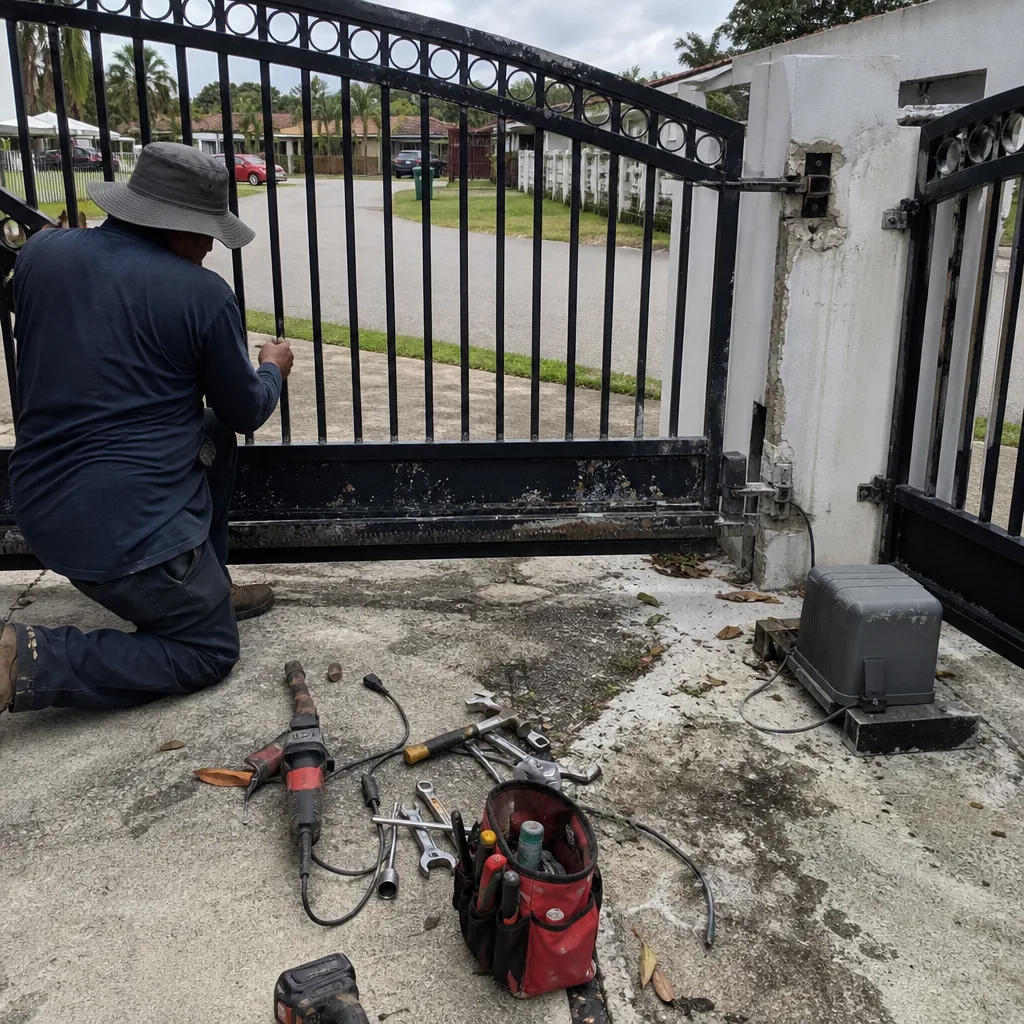 Before
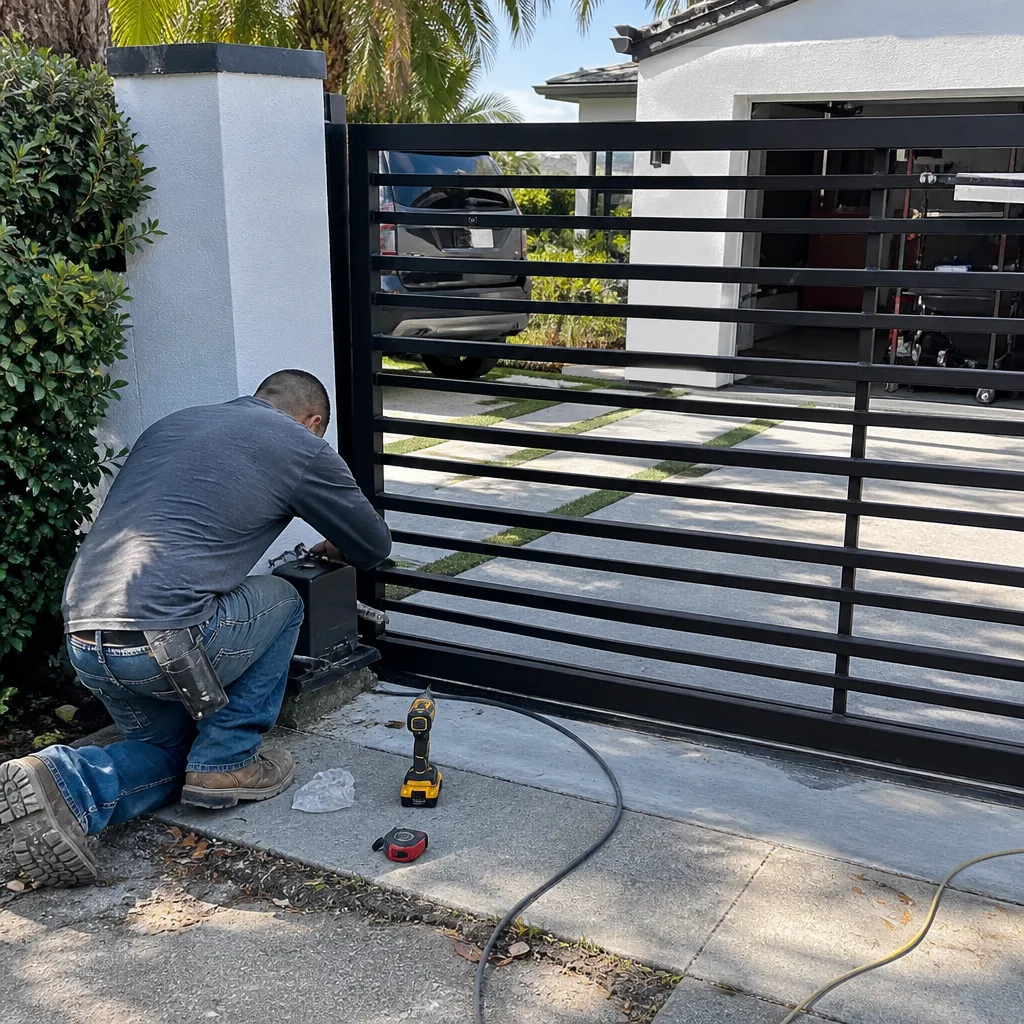 After
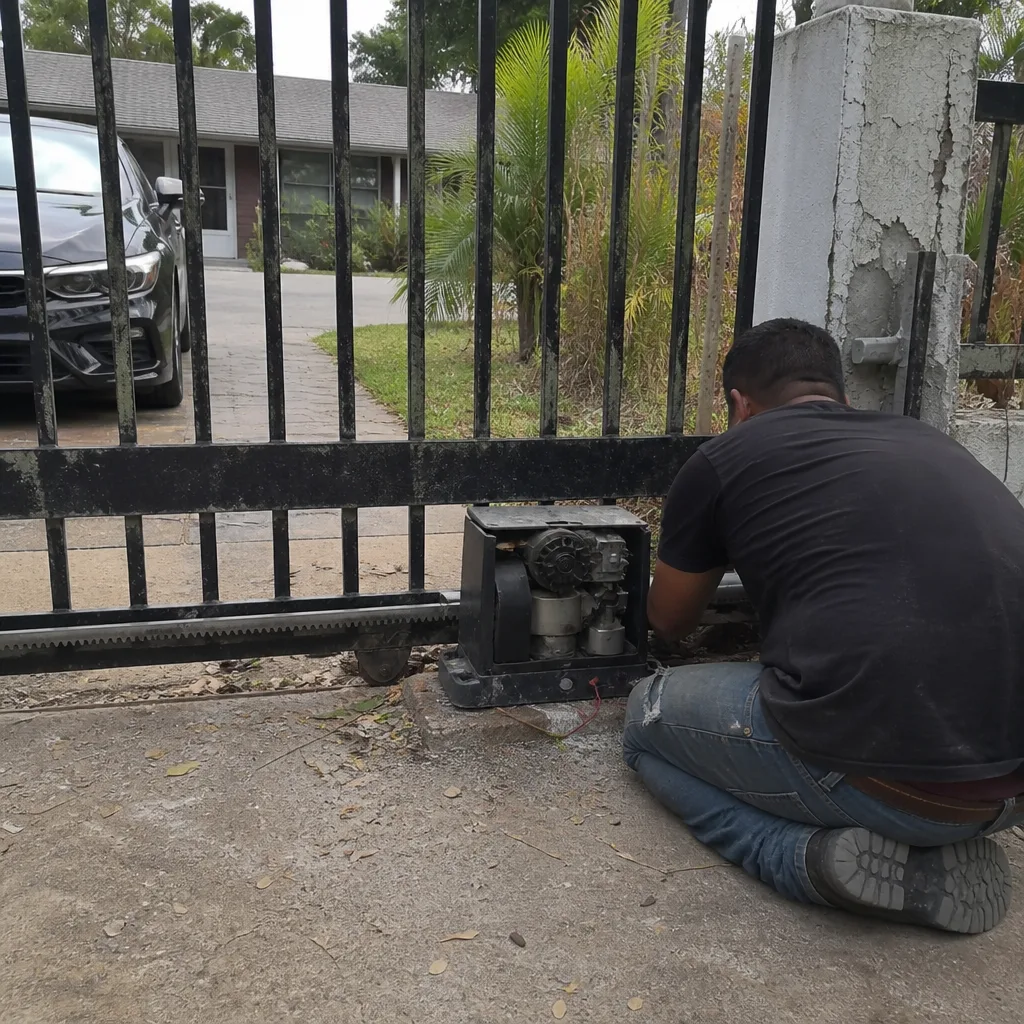 Before
 After
 Before
 After