
Last updated October 30, 2026
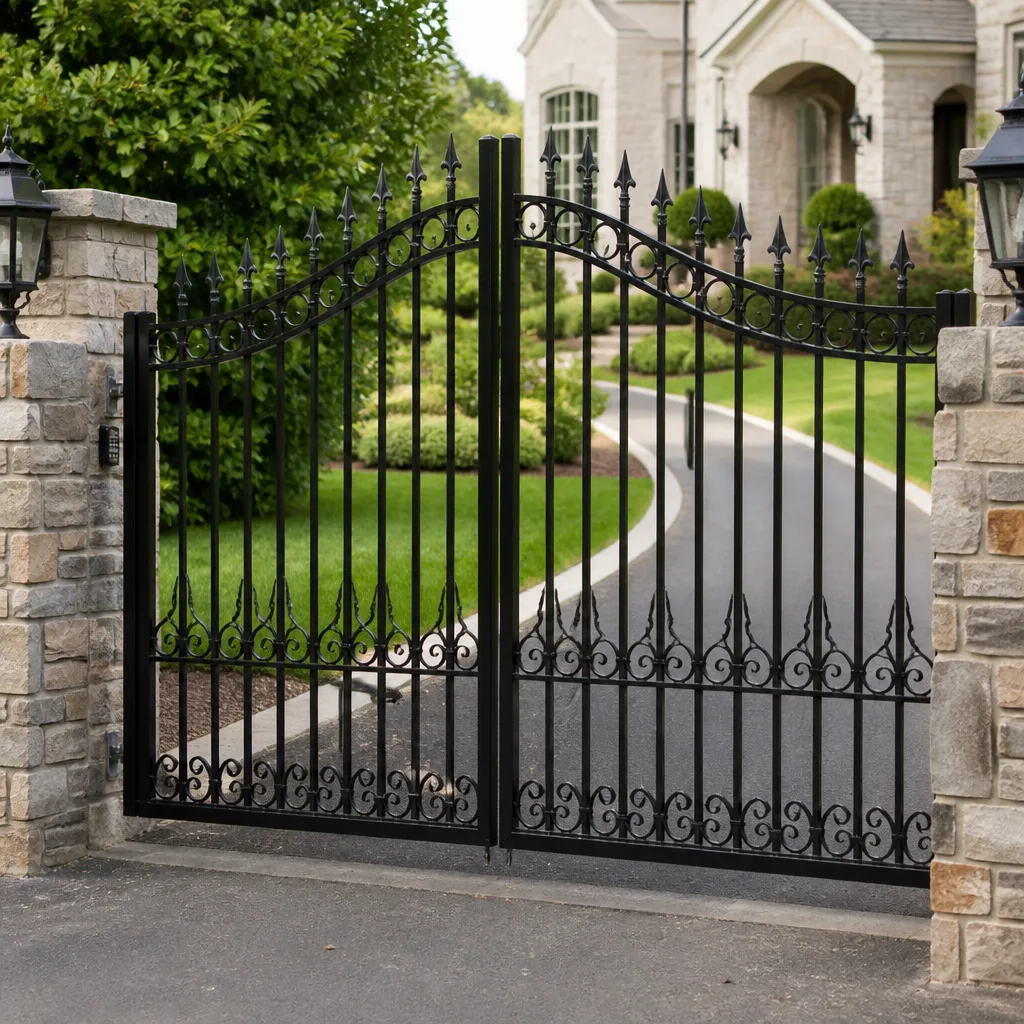 Wrought iron
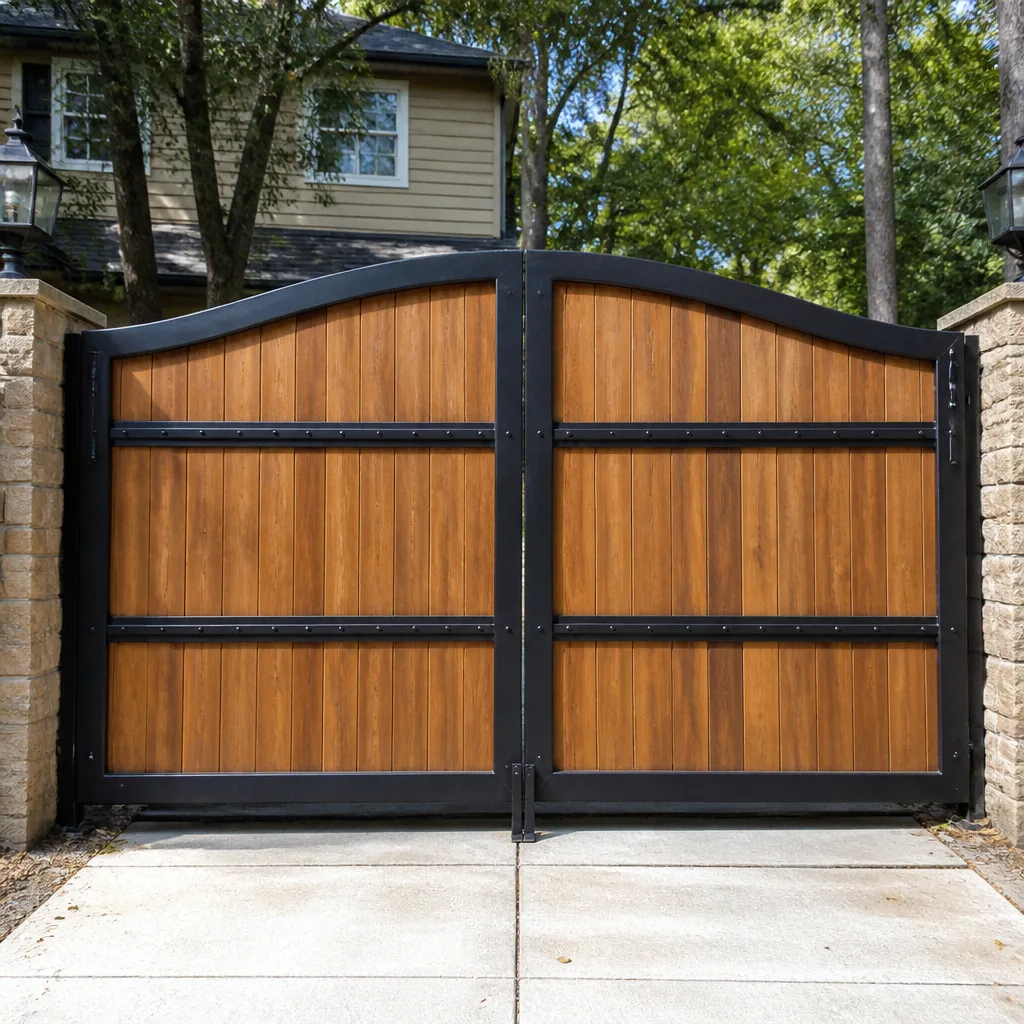 Wood & steel frame
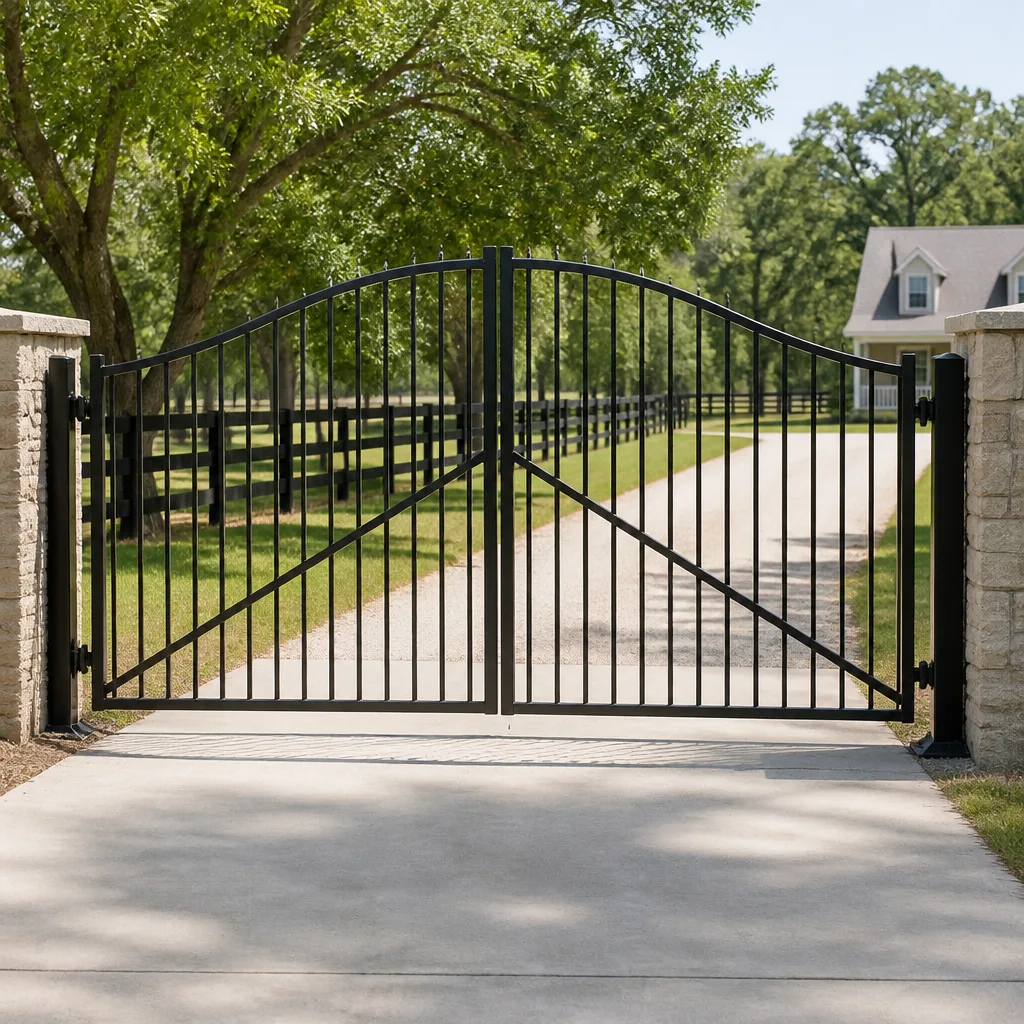 Farm & ranch
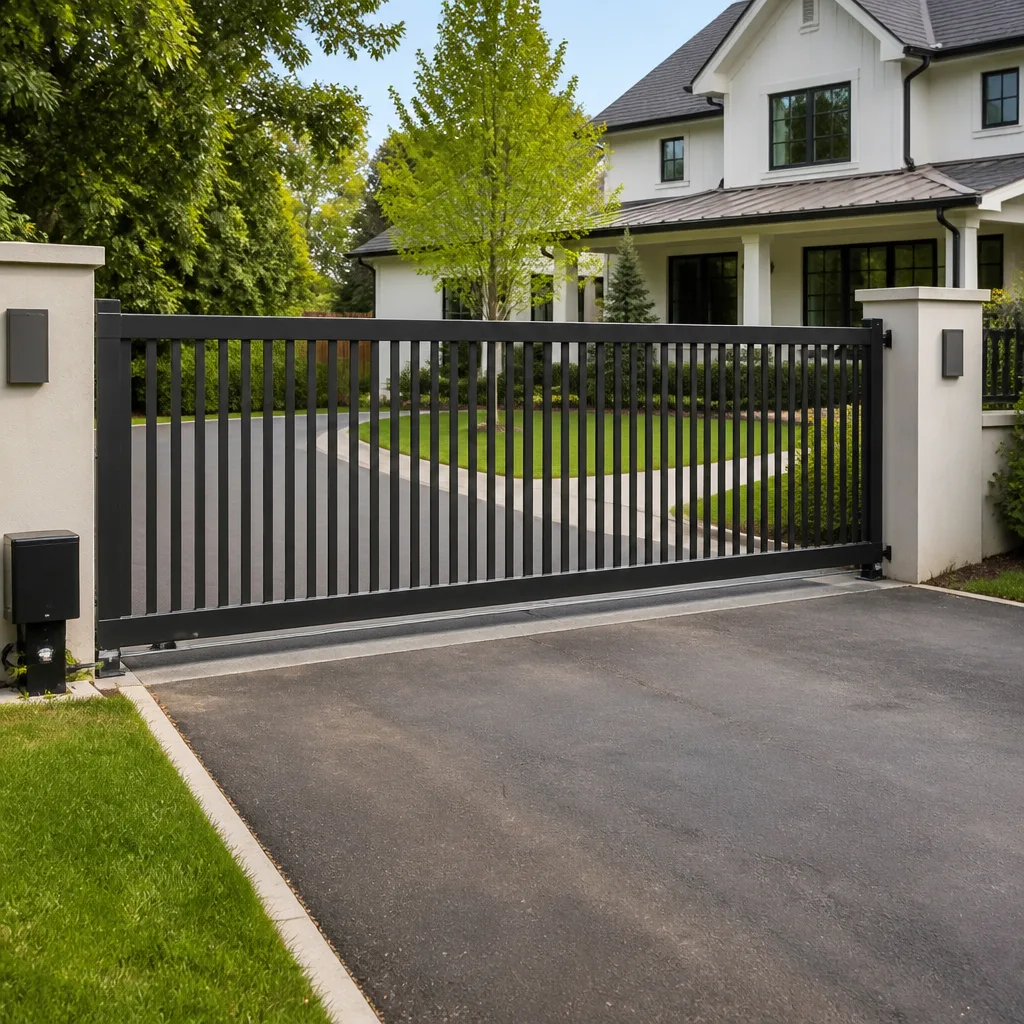 Sliding driveway gates
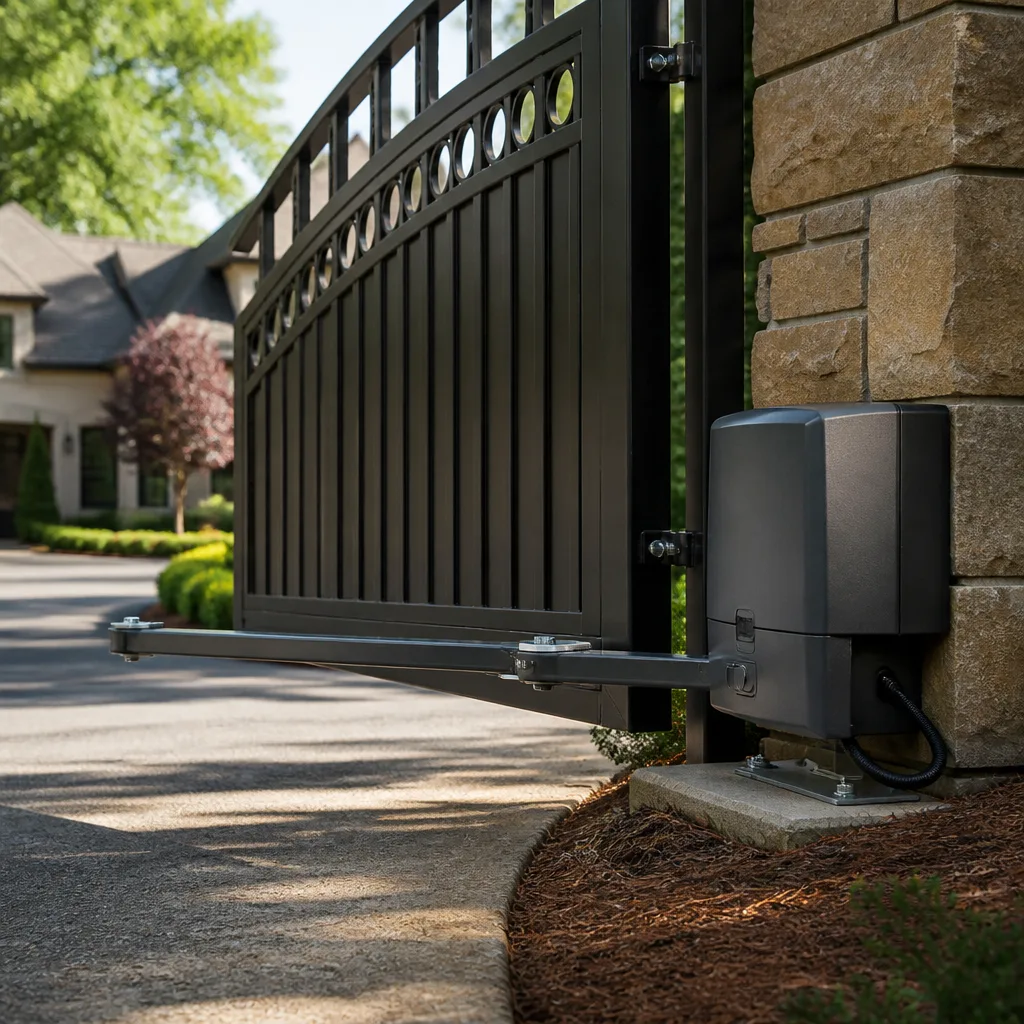 LiftMaster operators
Free on-site gate assessment - hinges, posts, and your LiftMaster or Nice gate operator checked before anything is quoted
The assessment is free and the quote is the invoice.
Get your free estimateGate Repair Warning Signs: A Miami Gardens Homeowner’s Reference Guide
A gate that hesitates for two seconds before opening isn’t being slow. It’s telling you the operator is drawing excess current, which typically means a mechanical obstruction, a failing capacitor, or a worn motor that will fail completely within 30 – 90 days. Most Miami Gardens homeowners dismiss these early signals as normal quirks until the morning the gate won’t open at all. This guide maps each warning sign to its mechanical cause, tells you which symptoms need immediate attention, and which ones you can monitor and schedule. You’ll learn how to read your gate the way a technician does: not as a mystery, but as a system with predictable failure points that announce themselves weeks in advance.
Styles & brands we work with
Quick Answer
Gate repair warning signs in Miami Gardens fall into two families: operator symptoms (hesitation, grinding, partial travel, random reversals, remote range loss) and structural symptoms (sagging, scraping, rust, loose hardware). Operator symptoms usually trace to the motor, capacitor, control board, or wiring. Structural symptoms trace to hinges, wheels, posts, or the gate frame itself. Most failures give 2 – 6 weeks of observable warning before the gate stops working entirely.
Table of Contents
- Gate Hesitation: What a Two-Second Delay Actually Means
- Grinding and Scraping Noises: Decoding What You’re Hearing
- Partial Travel: When the Gate Stops Mid-Cycle
- Random Reversals: Why Your Gate Backs Up for No Reason
- Remote Range Loss: The Symptom Everyone Blames on Batteries
- South Florida Moisture: The Hidden Electrical Problem
- Using Gate Travel Time as a Diagnostic Baseline
- Immediate Safety Risks vs. Monitor-and-Schedule Issues
- Common Mistakes to Avoid
- When to Call a Professional
- Frequently Asked Questions
- The Bottom Line
Gate Hesitation: What a Two-Second Delay Actually Means
You press the remote. The operator hums. Then, after a pause, the gate starts moving. That pause is not normal operation. It’s the motor drawing current against resistance, and it’s one of the earliest and most reliable warning signs of an electric gate in trouble.
Here’s what’s happening inside the box. When you trigger the open command, the control board sends voltage to the motor. A healthy motor responds in under one second. A hesitating motor is fighting one of three problems: a mechanical obstruction somewhere in the gate’s travel path, a failing start capacitor that can’t deliver the initial burst of electricity, or a motor with worn brushes or bearings that needs more current to overcome internal friction.
The mechanical obstruction is the most common cause in Miami Gardens, and it’s often not obvious. A gate that drags slightly on a settling driveway, a hinge with a worn bushing, or a wheel that has picked up sand and debris from a recent storm can all add enough resistance to change the motor’s behavior. The heat and humidity of South Florida accelerate wear on these components faster than in drier climates.
What you should do:
- Open and close the gate manually using the release mechanism. If it moves smoothly by hand, the problem is electrical, not mechanical.
- If the gate feels heavy or catches at any point in manual operation, you have a structural issue. The motor is working overtime to compensate.
- Have a technician check the capacitor and motor draw. A capacitor test takes minutes and often reveals the problem before it strands you.
We’ve seen hesitation in Miami Gardens gates of every brand, from Linear to DoorKing. The pattern is consistent: once hesitation starts, it rarely improves on its own. If you’re noticing it, your gate is telling you something specific. For faster diagnosis, electric gate repair in Miami Gardens should begin with a current-draw test before any parts are replaced.
Grinding and Scraping Noises: Decoding What You’re Hearing
Noise is diagnostic data. A gate that sounds wrong is communicating a specific mechanical problem, and with a little practice you can identify what the sound means before anyone takes the cover off.
Here’s a symptom-to-cause map of the sounds we hear most often in Miami Gardens:
- A high-pitched squeal during travel: This is almost always a bearing going dry or a bushing wearing out. The sound changes pitch as the gate moves because the load on the bearing shifts.
- A low grinding sound from the operator: This usually means the gearbox inside the motor is worn or low on lubrication. Grinding that gets worse in hot weather is a classic South Florida pattern, because heat thins the lubricant further.
- A metallic scraping that follows the gate’s position: The gate itself is contacting something. This could be a hinge that’s sagged, a wheel that’s lost its bearing, or a post that has shifted in soft ground.
- A rhythmic thumping during travel: Something is bent or out of round. On sliding gates, this is often a bad wheel. On swing gates, it’s usually a hinge that has developed play.
We work on the brand already on your property, whether that’s a Viking swing gate operator or a Ghost Controls kit. The brand matters less than the symptom; the sound matters more than anything else. Grinding is never normal, and it doesn’t fix itself.
Gate repair in Miami Gardens that addresses noise early costs less than repair that waits for catastrophic failure, because early intervention fixes a bearing or a hinge instead of a motor, a gearbox, and a bent gate frame.
Partial Travel: When the Gate Stops Mid-Cycle
A gate that starts moving and then stops before reaching its limit is showing you a different failure mode than a gate that won’t move at all. Partial travel usually means the safety system is activating, the motor is overheating, or the limit switch has lost its setting.
The sequence of events matters. Does the gate stop at the same point every time, or does the stopping point vary? A consistent stopping point often points to a limit switch or travel setting problem. An inconsistent stopping point usually means the gate is hitting resistance that triggers the safety reverse or overload protection.
In Miami Gardens, we see a particular pattern with partial travel on swing gates after heavy rain. The ground under the gate post shifts slightly, the gate leaf drops a fraction of an inch, and suddenly the gate catches on the concrete or pavers at the same point in its travel every cycle. The operator senses the obstruction and backs off, which looks to the homeowner like random behavior. It’s not random. It’s the gate’s weight shifting onto a surface it used to clear.
Diagnostic steps:
- Watch the gate through a full cycle and note exactly where it stops.
- Look at that spot on the ground. Check for scrape marks, debris, raised pavers, or settling.
- If you see contact evidence, the repair is structural, not electronic. Adjusting the gate leaf or the post solves it. Replacing the control board does not.
- If no contact is visible, the issue is likely electrical: an overheating motor, a failing capacitor, or a shorted safety loop.
From the motor to the hinge, partial travel has a cause. Finding it is the difference between a repair that lasts and a parts swap that doesn’t.
Random Reversals: Why Your Gate Backs Up for No Reason
The gate reaches nearly closed, then reverses and opens fully. Or it opens partially, stops, and returns to closed. Homeowners call this “the gate has a mind of its own.” In our experience, gates don’t have minds. They have sensors, and sensors have thresholds.
Automatic gates are required by code to have a safety system that reverses the gate when it encounters resistance or when a photoelectric sensor detects an obstruction. When that system malfunctions, the gate reverses on phantom signals. The most common sources of phantom signals in Miami Gardens are:
- Moisture in the safety loop or sensor wiring: South Florida humidity and rain find their way into conduit and junction boxes. When water bridges two conductors, the control board sees a false obstruction signal.
- Failed safety loops in the driveway: The inductive loops buried in the concrete develop hairline breaks after years of vehicle traffic and ground movement. A broken loop sends an intermittent signal that tells the gate a car is present when there isn’t one.
- Misadjusted obstruction sensors: If the gate’s force sensitivity is set too high, the gate reverses on normal operating load, especially when the wind is strong. Miami Gardens afternoon thunderstorms bring exactly the kind of wind gusts that trigger overly sensitive systems.
The fix for random reversals is diagnostic, not guessed. A specialist checks the loop resistance, inspects the wiring for moisture intrusion, and tests the obstruction sensor under load. We handle our Gate Repair services including motors, control boards, safety loops, and wiring, so a random reversal doesn’t turn into a trial-and-error replacement of parts that aren’t broken.
Remote Range Loss: The Symptom Everyone Blames on Batteries
First, change the remote batteries. It’s the right first step and it’s free. But if the range is still shortened after fresh batteries, the problem is usually not in the remote at all. It’s in the receiver, the antenna, or the environment.
Remote range loss follows a few predictable patterns:
- Range drops suddenly after a storm: Water has entered the receiver box or the antenna connection has corroded. Miami Gardens rain events are the most common trigger for this pattern.
- Range degrades gradually over months: The receiver on an older gate operator is wearing out, or the antenna has been damaged and the receiver is operating at reduced sensitivity.
- Range is fine in one direction but poor in another: This is environmental. A new structure, a parked vehicle, or dense foliage can block the signal path. In Miami Gardens, fast-growing tropical landscaping is a frequent culprit.
- All remotes lose range at the same time: This is the strongest sign of a receiver-side problem. Remote batteries don’t fail simultaneously.
We’ve found that many Miami Gardens homes with reduced remote range have receivers that have never been serviced. The antenna has rusted at the connection, or the receiver board has accumulated moisture damage. The fix is usually straightforward: clean and re-secure the antenna connection, or replace the receiver if corrosion has reached the board itself.
For systems using Linear, Viking, or DoorKing operators, the receiver board is often a modular component, which means repair can be faster and cheaper than replacing the entire operator. Archway Gate Repair home services all the major brands found in the Miami Gardens area.
South Florida Moisture: The Hidden Electrical Problem
Miami Gardens sits just a few miles from the Atlantic, and the humidity here does something specific to gate electronics that drier climates never see. Moisture intrusion in control boards and wiring looks like an electrical fault, but it stems from water damage. The distinction matters because the repair is different.
When a control board gets wet, it doesn’t usually fail instantly. Instead, corrosion forms on the circuit traces and connectors. The gate develops intermittent symptoms: it works in the morning and fails by afternoon, or it works for a week and then acts up after a thunderstorm. These intermittent patterns are the hallmark of moisture damage. A board that is genuinely failed stays failed. A board that is wet fails unpredictably.
The entry points for moisture in gate systems are predictable:
- Conduit joints and junction boxes: PVC conduit expands and contracts with temperature. Over years of Miami Gardens heat, the joints work loose and rain enters.
- Operator housing seals: Rubber gaskets degrade in heat and UV exposure. A hairline gap in the seal is invisible but lets humid air circulate inside the housing, where it condenses on the board.
- Direct exposure on gate-mounted keypads and card readers: These components are weather-rated but not weatherproof forever. The gasket between the keypad face and the mounting plate is a common failure point.
Our approach: diagnosed, not guessed. We inspect the board for corrosion, test the wiring for resistance changes, and seal the entry points before installing any new components. Replacing a water-damaged board without sealing the leak guarantees the same failure in another season.
Using Gate Travel Time as a Diagnostic Baseline
Every gate has a travel time: the number of seconds it takes to go from fully closed to fully open. Most residential swing gates in Miami Gardens take 12 – 18 seconds. Most sliding gates take 15 – 25 seconds. Write down your gate’s current travel time and check it periodically. Deviation from that baseline is an early warning sign that shows up before any noise, hesitation, or visible problem.
Here’s the approach:
- Time your gate’s full open cycle with your phone three times on a normal day. Record the average.
- Repeat monthly, or after any significant weather event.
- If travel time increases by more than 2 – 3 seconds without a settings change, something is resisting the gate’s movement. Schedule an inspection.
- If travel time becomes erratic, varying by more than a second between cycles on the same day, the issue is electrical: the motor is struggling, the capacitor is weak, or the control board is malfunctioning.
A slower gate means a working-harder motor. Motors that work harder run hotter. Heat is the enemy of motor windings and control board components. In Miami Gardens, where daytime temperatures regularly exceed 90 degrees in the summer, a stressed motor faces heat load from the environment plus heat from its own overwork. That combination shortens motor lifespan dramatically.
If you have an electric gate and you’ve never timed it, start now. The baseline you establish today is the reference point that tells you when trouble is brewing.
Immediate Safety Risks vs. Monitor-and-Schedule Issues
Not every warning sign requires an emergency call. Some issues can be monitored and scheduled for a convenient time. But a few specific symptoms are safety risks that need attention immediately, especially on automatic gates with young children, pets, or regular delivery traffic.
Call immediately if you see:
- The gate reverses or stops unpredictably while closing. This means the safety system is not functioning reliably, and the gate could close on a person, pet, or vehicle.
- The gate moves without a command. A phantom-open or phantom-close event means the control board is receiving stray signals. This is both a safety and a security problem.
- Sparks, smoke, or a burning smell from the operator. This goes without saying, but electrical fires in gate operators happen. Cut power at the breaker and call a professional.
- The gate has come off its track or fallen off a hinge. A detached gate leaf is a crushing hazard. Keep people away until it’s secured.
Monitor and schedule if you see:
- Mild hesitation that is consistent but not worsening. You have time, but don’t wait more than a few weeks.
- Cosmetic rust on the gate frame or hardware. Surface rust is a maintenance item, not an emergency. But Miami Gardens salt air means rust advances steadily.
- Slightly reduced remote range. If the gate still operates reliably from your car at the driveway, you can schedule a receiver check at your convenience.
- New squeaks or light scraping. If the noise is mild and the gate completes its cycle normally, this is a monitor-and-schedule item.
The difference matters. Treating every symptom as an emergency wastes money. Ignoring a genuine safety risk can hurt someone. When you’re unsure which category applies, read How to Hire a Gate Repair Contractor in Miami Gardens: A Step-by-Step Guide or call a specialist and describe exactly what you’re seeing. A good technician will tell you honestly whether it can wait.
Common Mistakes to Avoid
- Replacing the remote batteries and waiting to see what happens. Fresh batteries fix the limited problem of dead batteries. They don’t fix a corroded receiver or a failing motor. If the symptom persists after new batteries, the problem is elsewhere.
- Lubricating a noisy gate without diagnosing the noise first. Spraying lubricant onto a failing bearing quiets it temporarily and hides the warning sign. The underlying wear continues until the part fails, often more expensively.
- Adjusting the force settings to push through resistance. If the gate is dragging on the ground and you increase the operator force so it powers through, you’re treating the symptom while accelerating wear on the motor and gearbox. Fix the mechanical cause instead.
- Ignoring a slow gate because it still opens. A gate that takes three extra seconds to open is telling you the motor is under load. Waiting until it stops entirely converts a $200 repair into an $800 operator replacement.
- Power-washing the operator housing. Miami Gardens homeowners keep their properties clean, but a power washer aimed at the gate operator forces water past seals and into the electronics. Use a damp cloth on the housing, not a pressure spray.
- Assuming all gate companies are the same. A fencing company that “does gates too” approaches a control board failure differently than a gate specialist. The specialist recognizes the brand and the failure pattern. Gate installation in Miami Gardens and gate repair are different disciplines, and they take different expertise.
- Waiting until the gate fails completely to call. Severely failed components are more expensive to fix than early-stage failures, and a gate that won’t open means a car stuck in the driveway at 7 a.m. The warning signs in this guide are the cheapest repair opportunity you’ll get.
When to Call a Professional
Call a professional when the symptom involves the operator, the wiring, the control board, or the safety system. These components carry line voltage, and a gate operator’s capacitor can hold a charge even after power is disconnected. Working on an electric gate without training is genuinely dangerous.
Call when you’ve made the free checks and the problem persists: fresh remote batteries didn’t restore range, the gate moves freely manually but hesitates under power, or the gate reversed again after a storm. Those patterns point to electrical or control problems that need diagnostic equipment, not guesses.
Archway Gate Repair offers free estimates in Miami Gardens. Call (855) 360-5306 and describe what your gate is doing. We’ll tell you honestly whether it needs same-week attention or whether you have time to plan. Repair first, replace only when necessary: that’s how we approach every job.
Frequently Asked Questions
Gate repair in Miami Gardens typically ranges from $150 for minor fixes like a hinge adjustment or limit switch reset to $600 – $1,200 for control board replacement or motor repair, depending on the brand and the extent of the damage. A diagnostic visit to identify the problem usually costs $75 – $150, and many companies, including Archway Gate Repair, apply that fee toward the repair if you proceed. Call (855) 360-5306 for an exact quote: estimates are free, and the price is always agreed before any work starts.
Yes, in most cases we can diagnose and repair urgent gate failures the same day, especially when the issue involves an operator, control board, or safety sensor on a common brand like LiftMaster, FAAC, or DoorKing. Same-day scheduling depends on parts availability and our current workload, so call (855) 360-5306 early in the morning for the best chance of a same-day visit.
We’re factory-familiar with nine of the most widely installed residential and commercial gate brands, including Linear, Viking, Ghost Controls, and DoorKing, and we work on the brand already on your property. You don’t need to know your gate’s brand to call: we’ll identify it during the diagnosis and bring the brand-appropriate parts.
A full gate installation includes removing the old gate if needed, setting and anchoring the new gate and posts, installing and programming the operator, running the power, and connecting the safety sensors and any access controls you use. After installation, we test the full system and walk you through operation. Gate installation in Miami Gardens starts with a free on-site measure and a written quote, so you know the complete price before you commit.
Yes, we handle the full electrical scope on gate projects: the power run from your panel to the operator, the safety loops or photo-eye wiring, the safety edges, and the control programming. Electric gate repair is our core specialty, not a referral, so you won’t need to bring in another contractor. Call (855) 360-5306 to go over your specific setup and get a clear price.
After a Miami Gardens rainstorm, moisture enters conduit joints, junction boxes, or the operator housing and causes intermittent shorts in the control wiring or corrosion on the board connectors. The gate works when dry and misbehaves when wet, which is the classic moisture pattern. The repair is to find and seal the entry point, and then replace any damaged wiring or board components. Contact us for scheduled repair: we test for moisture intrusion and fix the leak, not just the symptom.
The Bottom Line
Gates talk. Hesitation, grinding, partial travel, random reversals, and shrinking remote range are not personality quirks: they’re specific symptoms, each mapping to a mechanical or electrical cause with a predictable endpoint. In Miami Gardens, moisture adds an extra failure mode that looks electrical but traces to water. Timing your gate’s travel speed and noting how it behaves after storms gives you a baseline that catches problems weeks before they strand you. For Seasonal Gate Repair Care for Miami Gardens: Year-Round Homeowner’s Guide, see our seasonal maintenance tips. When a symptom appears, diagnose it early rather than waiting for failure. The honest fix costs less than the emergency, and a gate specialist sees the difference immediately.
Written by the team at Archway Gate Repair, serving Miami Gardens since 2011.
See the difference
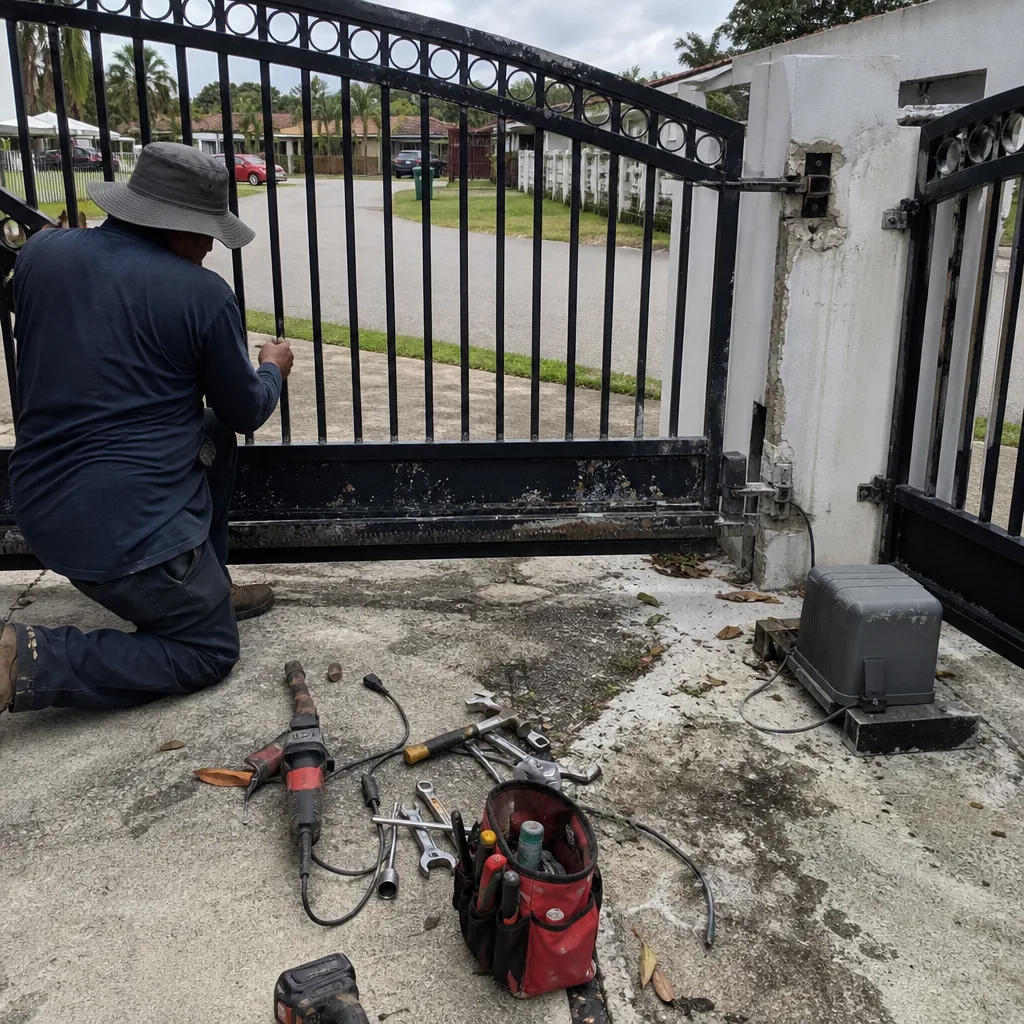 Before
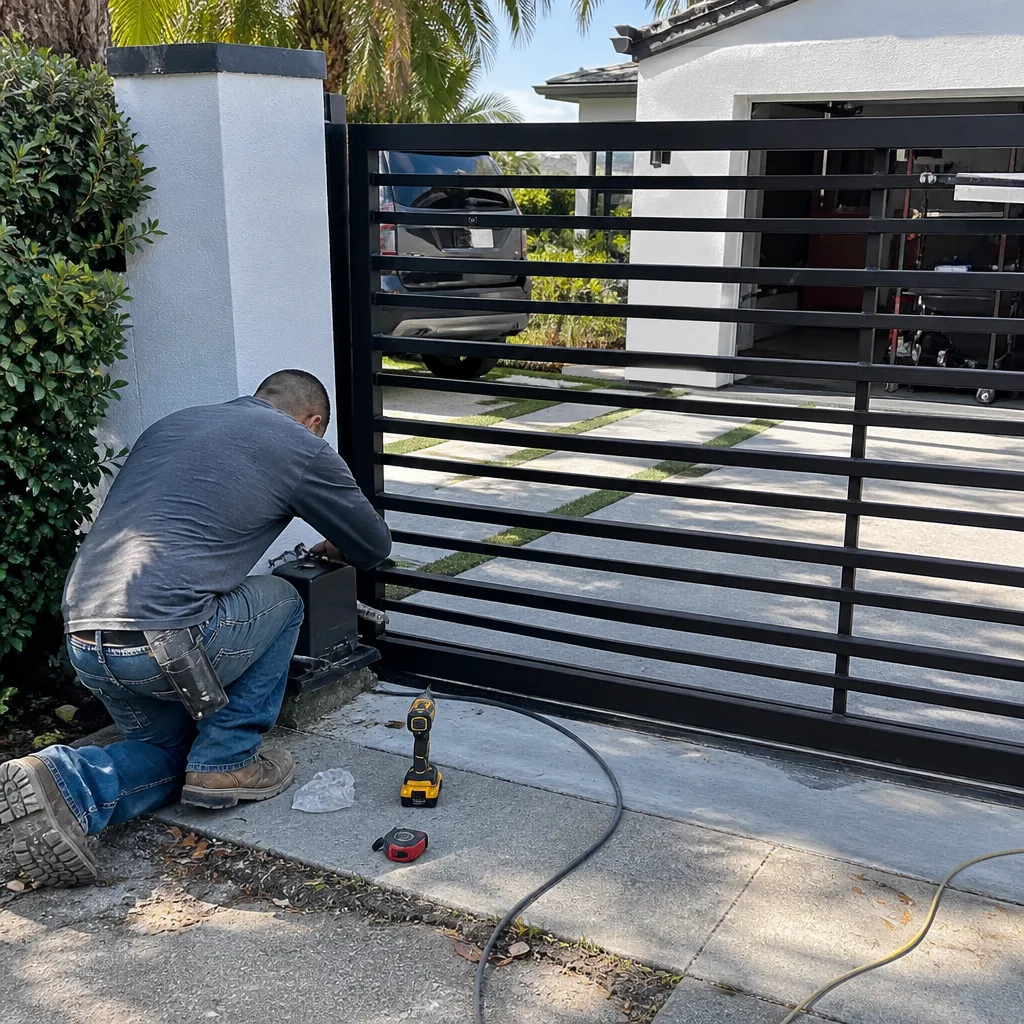 After
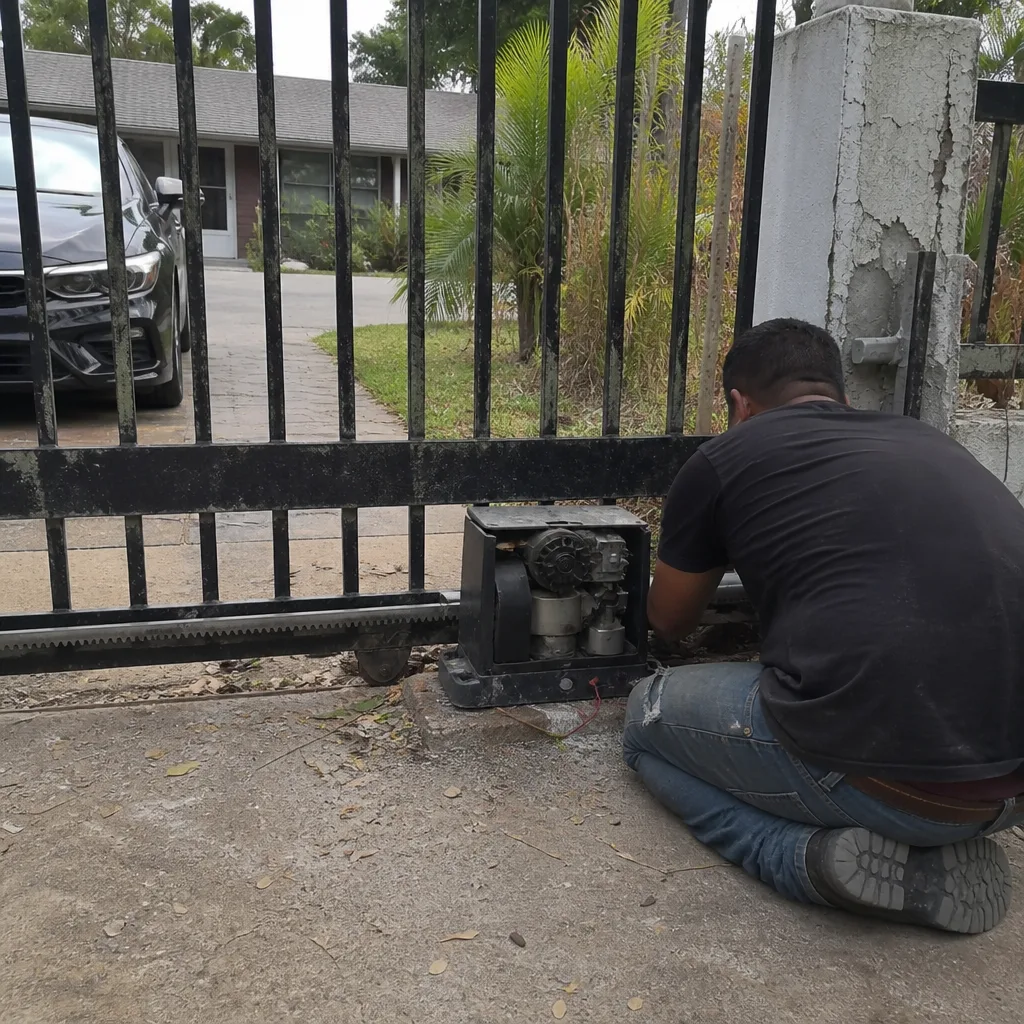 Before
 After
 Before
 After