Last updated October 30, 2026
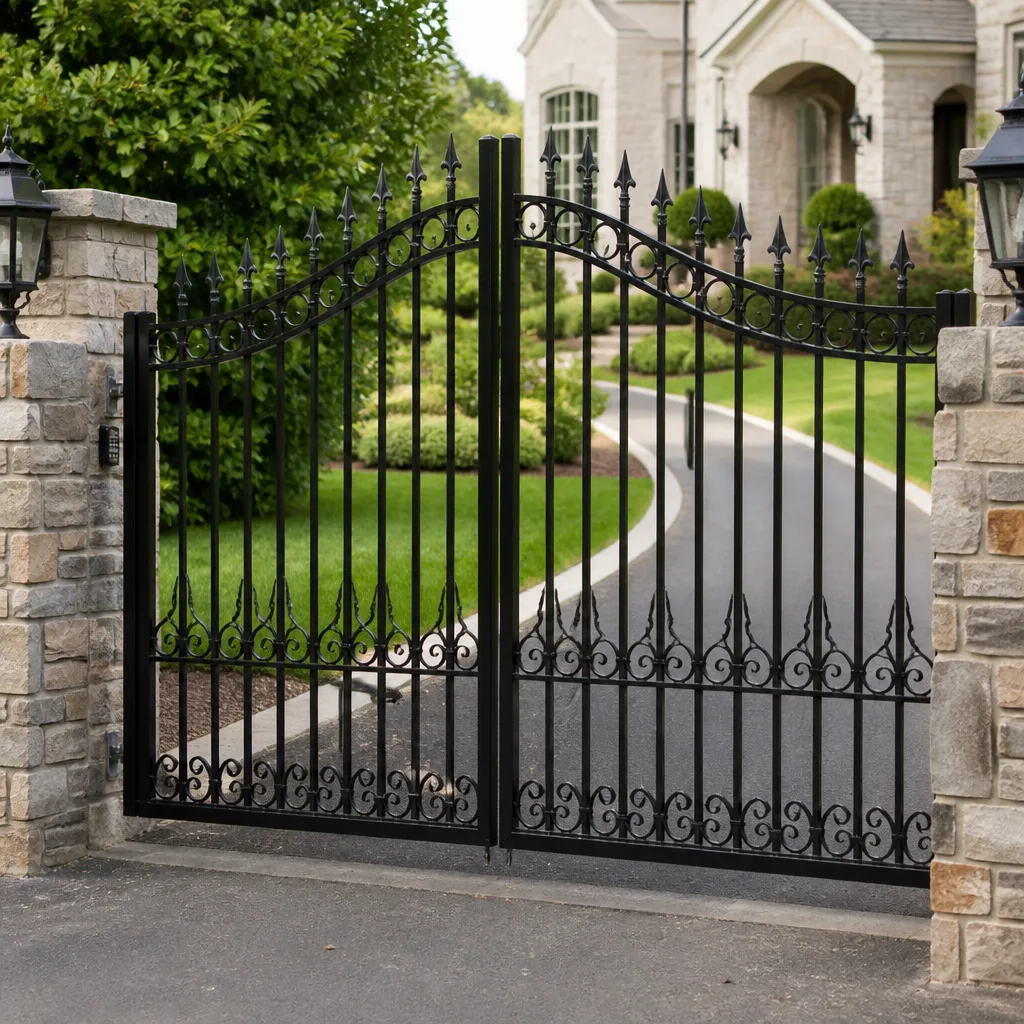 Wrought iron
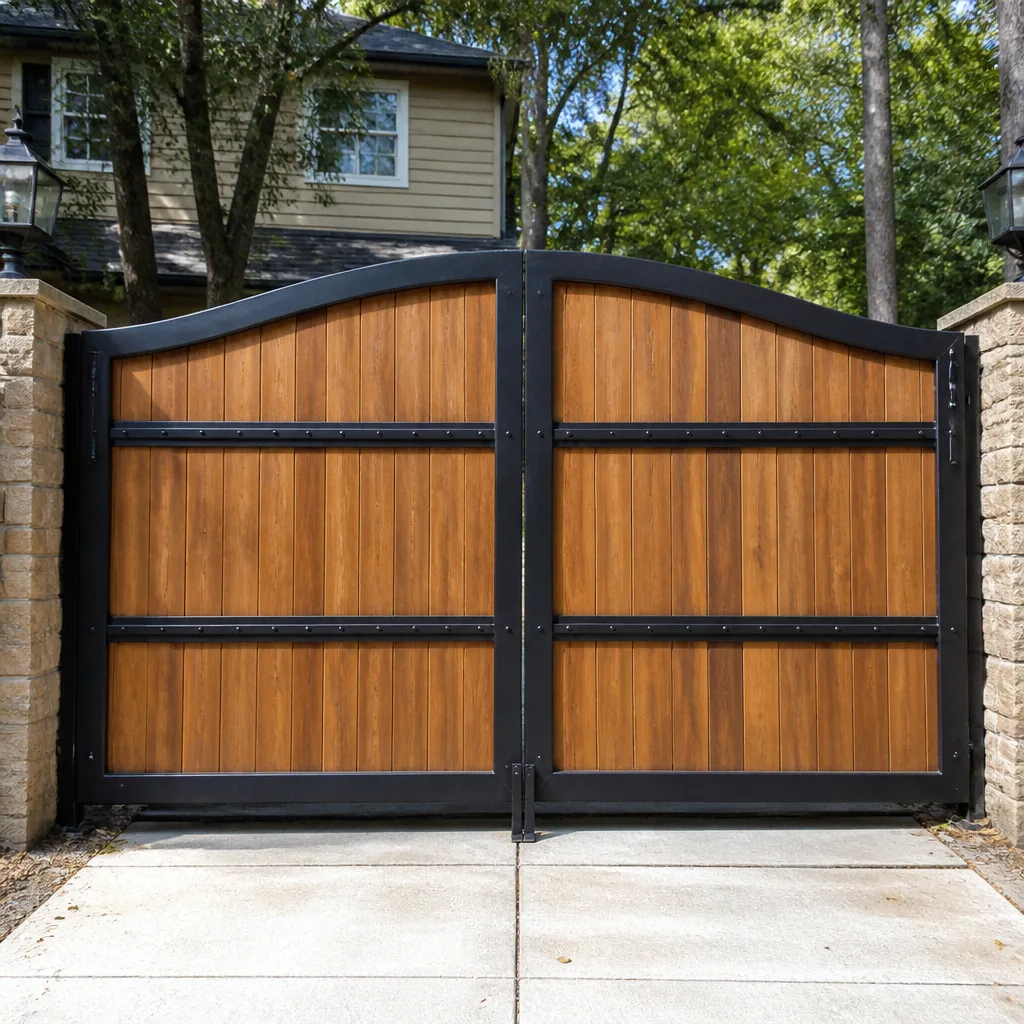 Wood & steel frame
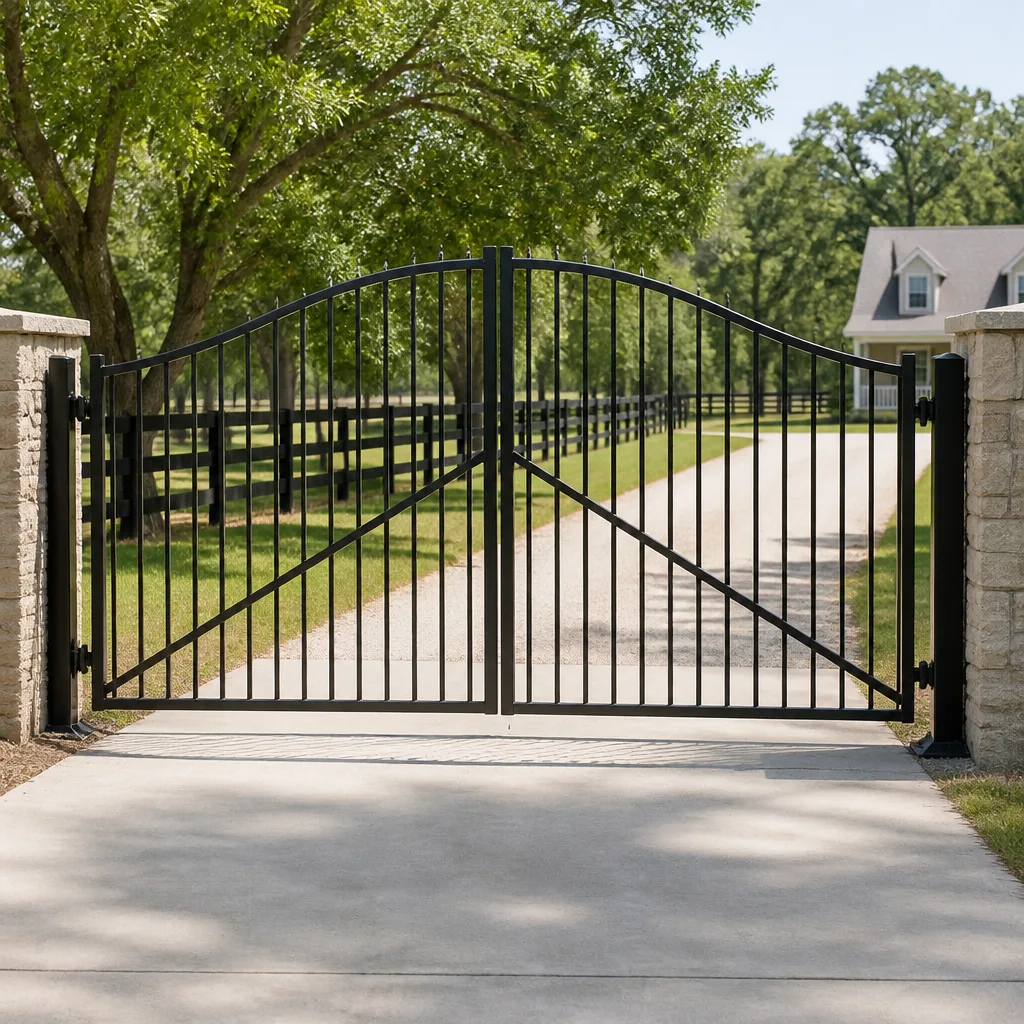 Farm & ranch
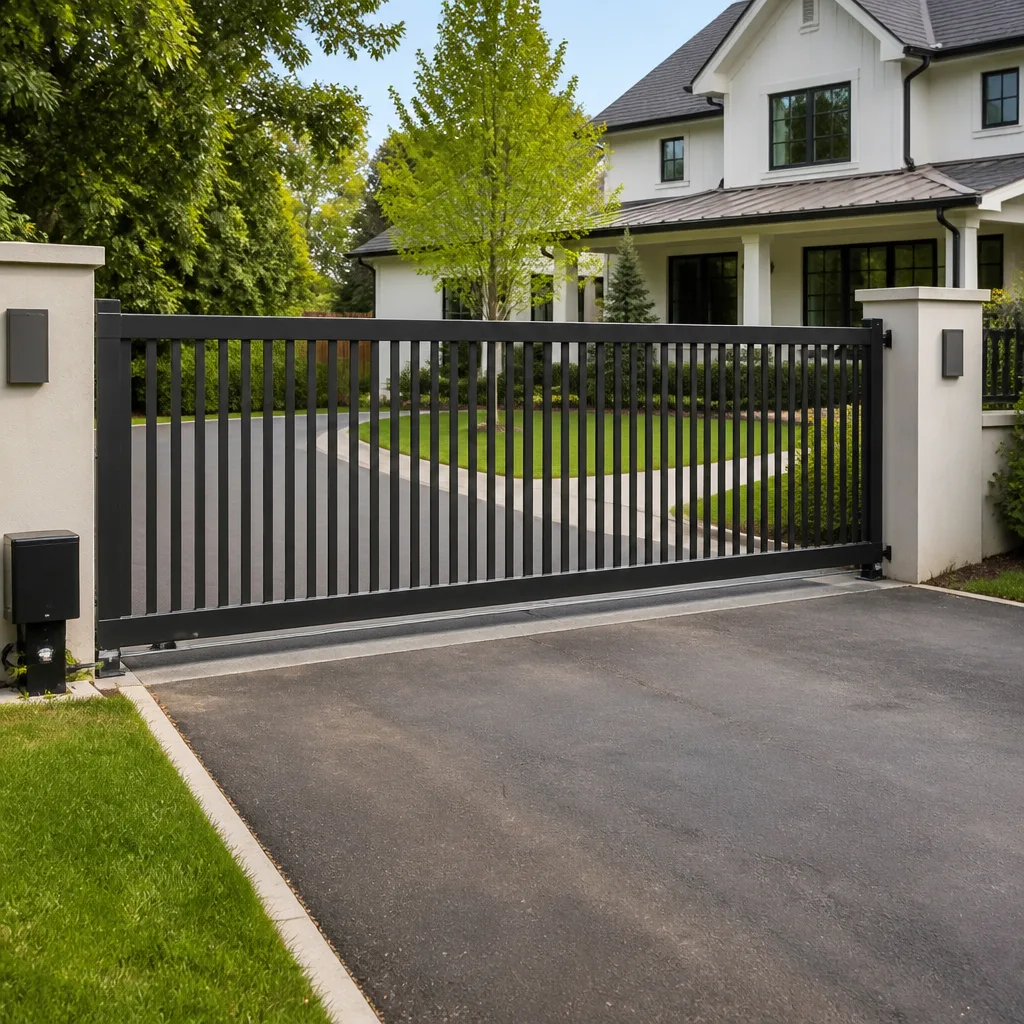 Sliding driveway gates
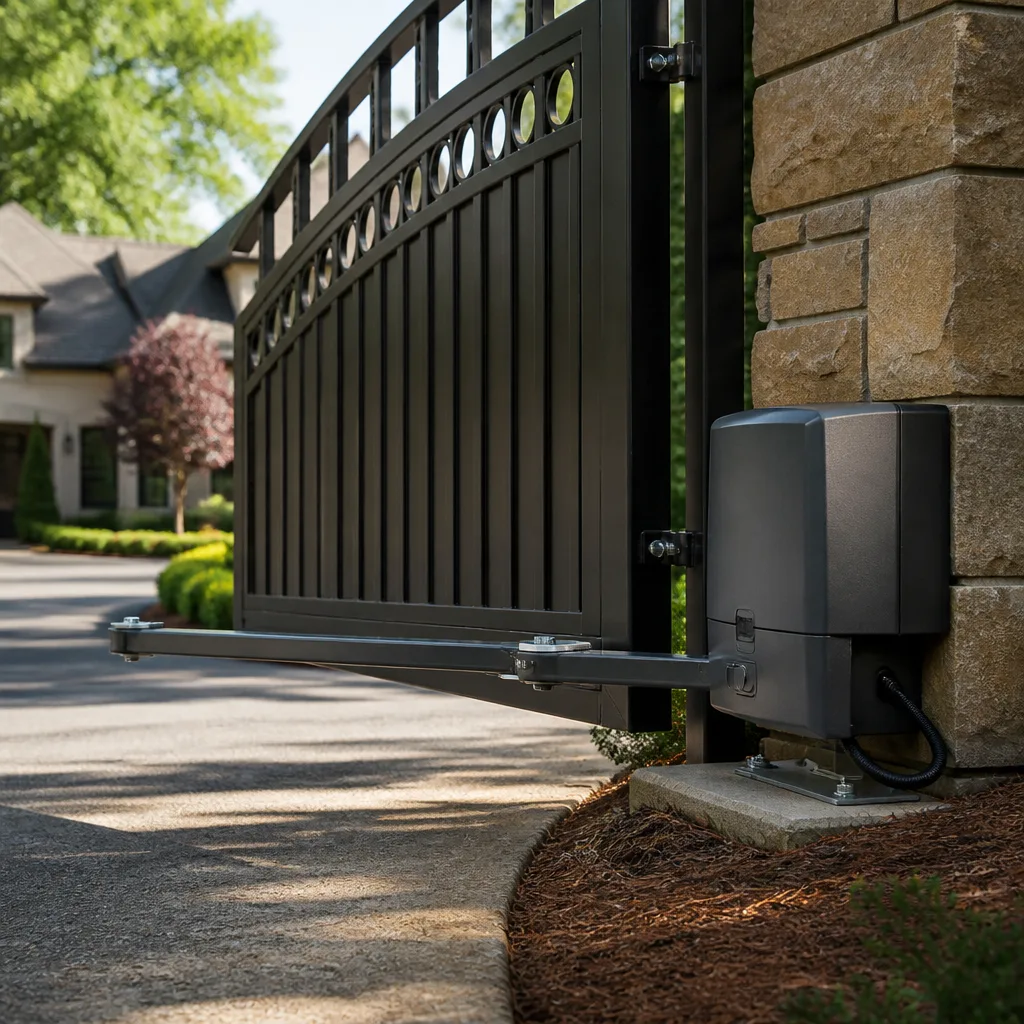 LiftMaster operators
Free on-site gate assessment - hinges, posts, and your LiftMaster or Nice gate operator checked before anything is quoted
The assessment is free and the quote is the invoice.
Get your free estimateSeasonal Gate Repair Care for Miami Gardens: Year-Round Homeowner’s Guide
Most gate maintenance guides lean on a four-season calendar that has nothing to do with South Florida. In Miami Gardens, the real divide is between a six-month hurricane season that batters hardware from June through November and a dry season from December through May that bakes operators brittle under extended UV exposure. A gate that survived a summer storm can seize in February without warning, and the cause is rarely obvious until you know what each season actually does to the metal, the wiring, and the control systems. This complete gate repair guide for Miami Gardens homeowners explains what fails, when it fails, and how to schedule maintenance so you’re not standing at a locked gate at the worst possible moment.
Quick Answer
Seasonal gate care in Miami Gardens means running two distinct maintenance routines each year. During hurricane season (June through November), focus on structural bracing, drainage clearance, and electrical disconnect protocols. During dry season (December through May), focus on UV protection for operator housings, hinge lubrication against seized joints, and removing calcium deposits that accumulate on exposed hardware. Schedule a professional inspection at the start of each season; local labor rates for a full gate inspection typically fall between $75 and $150, with part replacements quoted and approved before any work begins.
Styles & brands we work with
Table of Contents
- The Two-Season Reality in Miami Gardens
- Hurricane Season Protocol: June Through November
- Dry Season Care: December Through May
- How to Assess Storm Damage Before Calling a Technician
- Gate Materials That Survive Miami’s Seasonal Swings
- Timing Professional Service for Maximum ROI
- Seasonal Maintenance Checklist by Phase
The Two-Season Reality in Miami Gardens
Miami Gardens sits squarely in a climate where humidity swings from oppressive to absent within weeks. The city’s average rainfall exceeds 60 inches annually, but nearly all of it lands between June and November. That means gate hardware spends half the year submerged in moisture and salt-laden coastal air, then half the year exposed to unrelenting sun with humidity dropping to levels closer to what you’d find in the Southwest. Each extreme creates its own failure patterns.
During hurricane season, the primary threats are lateral force on the gate leaf, water intrusion into motor housings and control boards, and soil saturation that shifts posts. We’ve seen gates along NW 191st Street and the residential routes near Carol City Middle School where post bases looked perfectly plumb in July only to be off by two inches by October because the soil expanded and contracted around the concrete footing. That movement stresses hinges and operators even without a named storm making landfall.
Dry season is quieter but no less destructive. The UV index in Miami Gardens regularly hits 11 or 12 between March and May. Plastic operator covers, which are common on entry-level models from Mighty Mule and similar brands, degrade under that exposure in as little as three years. The plastic becomes chalky and brittle, then cracks, and then rain from a surprise April shower finds its way into circuitry that was designed to stay dry. The gate doesn’t fail because of the rain. It fails because the sun already compromised the housing.
Hurricane Season Protocol: June Through November
What to do before a storm is forecast, not when it’s on the way: securing an automated gate takes preparation that should already be done when hurricane warnings appear. Waiting until the 72-hour window means supply runs on the hardware you need and competing against every other homeowner in Miami Gardens for the same bolts and straps.
- Check and tighten all hinge bolts and post anchors. A gate that sways a quarter-inch under hand pressure will swing violently in 60 mph gusts. That lateral force isn’t absorbed by the operator; it’s transmitted directly into the motor shaft and can strip the gearbox even on heavy-duty units from DoorKing or Elite.
- Clear the track run and the ground path. Gate wheels sit low. Coconuts, palm fronds, and landscaping debris that normally clear the gate path become projectiles during a storm. A single branch jammed under the gate while the operator is pushing can burn out a motor in seconds.
- Test the manual release. Every electric gate has a manual disconnect, and every homeowner should know where theirs is before the power goes out. It’s usually a small lever or key slot near the operator. If you don’t know how to disengage it, a technician can show you in minutes during a routine visit. This is the difference between driving to work the day after a storm and waiting at a locked gate.
- Photograph the gate from all angles. Insurance claims move faster with pre-storm documentation. Take clear photos of the gate, hinges, operator, and keypad on your phone. If a tree limb scratches the finish or floodwater reaches the motor, you’ll have a baseline.
- Set the gate to manual open and leave it open or closed depending on your property. For most homeowners in Miami Gardens, leaving the gate open before a storm prevents it from being the thing that fails first. A permanently closed gate with a dead operator is harder to remove after the storm than one that’s already open.
During the storm: don’t operate an electric gate while winds exceed 40 mph. The motor is fighting not just the gate but the wind load, and motors from Ghost Controls and similar brands aren’t designed for sustained wind resistance at that intensity. Disconnect power to the operator if you’re able to do so safely. If the property has a battery backup, leave it. It won’t try to cycle unless someone triggers it, and the battery will still be charged after the storm if the gate hasn’t run.
After the storm: wait for water to recede and inspect before re-engaging power. If the operator housing shows waterline marks, don’t cycle the gate. Water inside a control board will short the moment power hits it. Call a gate technician to open the housing, dry the internals, and test components individually before powering up. This is one of the most common post-hurricane mistakes we see in Miami Gardens: a homeowner reconnects power too quickly, and a board that was only wet becomes a board that’s destroyed. For a full walkthrough of what to look for, see our guide on Gate Repair in Miami Gardens.
Dry Season Care: December Through May
Dry-season gate failures in Miami Gardens don’t look like storm damage. They look like a gate that worked fine on Friday and wouldn’t open on Saturday. The root cause is usually something that’s been degrading quietly for months: a capacitor swollen from heat, a hinge that’s been losing lubrication every week since November, or a safety edge that cracked in February sun and now reads as perpetually blocked.
- Lubricate hinges and wheels every 60 days. Low humidity means less natural moisture in the air. Grease that stays fluid during rainy season turns gummy when the air dries out. Use a dry-film silicone spray on hinges rather than a heavy grease, which catches dust and grime that Miami Gardens traffic kicks up. Gate wheels on sliding gates need attention too: the axles dry out and bind, and then the operator pulls harder until something gives.
- Inspect operator housings and control boxes for UV cracking. Sun exposure is relentless here. Covers made of ABS plastic fare worse than polycarbonate or metal. If you see fine white lines on the surface, the material is starting to break down. Replace the cover now before a pop-up shower of rain finds the crack. Covers are inexpensive compared to a full control board replacement on a DoorKing or Elite system.
- Check for calcium scaling on exposed metal hardware. This is one of the least discussed dry-season issues in South Florida but one of the most common. Irrigation water and humidity leave behind mineral deposits that build up where hinges meet posts, around lock assemblies, and anywhere water evaporates quickly. In dry season, that evaporation accelerates. Scale builds faster than during rainy months, and it acts like fine-grit sandpaper inside hinge barrels. A light white crust near a hinge is often the first visible sign of a joint that’s about to seize.
- Test safety sensors and loops during the driest weeks. Heat expands concrete and asphalt. A vehicle loop buried in a driveway can shift slightly as the ground dries, and a sensor beam that was aligned in October can be knocked out of alignment by thermal movement. Both failures make the gate refuse to close or reverse unexpectedly. Annual recalibration after the worst of the dry season solves most cases.
For homeowners with older operator units in Miami Gardens, dry season is also the right time to ask whether the system is worth another year of maintenance or whether electric gate repair in Miami Gardens makes more sense than patchwork fixes. A ten-year-old motor that’s been through five hurricane seasons and five dry seasons is living on borrowed time, and dry-season heat stress is often the final push.
How to Assess Storm Damage Before Calling a Technician
After a storm passes, assessing a gate correctly saves you money whether you call a gate repair technician or not. The key is distinguishing cosmetic damage from mechanical and structural damage, because that determines urgency and the type of repair needed.
Cosmetic Damage
Scratches, scuffs, minor dents from flying debris, and water spots fall into this category. The gate still opens and closes smoothly, hinges aren’t loose, and the operator sounds the same as before. Cosmetic damage can be addressed on your timeline, and for many Miami Gardens homeowners it means a repaint or powder-coat touch-up rather than a repair call at all.
Mechanical Damage
This is damage to the moving parts: hinges that now squeal or bind, a gate that opens slower than before, an operator that strains or clicks, a track that’s out of alignment. If the gate opens but feels different, that’s mechanical damage. These issues worsen with every cycle, so addressing them within a few days prevents a $200 hinge replacement from becoming an $1,800 operator failure.
Structural Damage
This means the post or the gate frame itself is compromised. Signs include: a gate post that’s no longer perfectly vertical, hairline cracks in welding joints, sagging on the latch side, or a gate that scrapes the ground where it never did before. Structural damage won’t heal. The problem compounds through every future storm, because a weakened post moves more each time. If you can push the gate by hand and see movement at the post base, shut the gate off and leave it off until a professional assesses whether the post needs resetting.
One useful before/after test: video the gate cycling from the same angle right now, then again after any storm. Comparing the two recordings shows exactly what changed. It’s faster than trying to describe the sound to a technician over the phone and gives them a clearer diagnosis before they arrive.
Gate Materials That Survive Miami’s Seasonal Swings
Over any five-year window, certain materials hold up better in Miami Gardens than others. The difference is not marginal; it’s the difference between a gate that still looks and works like new and one that’s rusted through at the post base.
Aluminum: The Best All-Around
Aluminum doesn’t rust, and modern powder-coat finishes withstand Florida UV without fading for a decade or more. It’s lighter than steel, which means less strain on the operator and longer motor life. Most gate manufacturers, including Ghost Controls and Mighty Mule, design their entry-level operators to pair well with aluminum gates. The only real downside is that aluminum gates can deform if struck, so impact resistance is lower than steel.
Galvanized Steel: Strong but High-Maintenance
Steel gates are common in commercial settings around Miami Gardens and work fine in residential applications, but the galvanized coating eventually wears through at hinge points and welded joints. Once the coating breaks, salt-laden air from the Atlantic accelerates rust. A steel gate in this climate needs an annual rust inspection and touch-up. Miss two years and pitting starts. Miss five and you’re replacing the gate leaf.
Vinyl or PVC: UV Fragile
Vinyl gates are cheap and quiet, and that’s where the advantages end in South Florida. UV breaks down PVC at an accelerated rate, especially in the dry season. The material turns brittle, pipes crack, and the gate eventually splits under its own weight. A vinyl gate in Miami Gardens typically starts showing stress fractures by year four.
Wrought Iron: Beautiful, Demanding
Wrought-iron gates look right on South Florida properties, but they’re the most corrosion-prone option available. Every single joint is a potential rust point, and every rust point is a place where metal expands and seizes in the dry season or flakes away during rainy months. If the gate is ornamental, you can keep it. If it’s doing daily work, expect annual blast-cleaning and repainting to keep it functional.
Timing Professional Service for Maximum ROI
Routine gate service in Miami Gardens gets the highest return when scheduled at two specific points on the calendar: late May and late November. Those marks sit at each season’s edge and let you address problems before conditions turn harsh.
Late May: have a technician inspect the entire system with an eye toward storm readiness. The hinge bolts get torqued, the operator cover gets checked for UV damage accumulated during spring, the drain holes on the control box get cleaned of debris, and the manual release gets tested. This is the service that prevents most hurricane-season gate failures. If work is needed, it happens in calm weather with parts sourced before supply chains tighten during storm season.
Late November: after the last hurricanes have passed, the focus flips. A technician checks for water intrusion that happened during autumn storms, lubricates hinges with the right products for low humidity, inspects the motor for strain from six months of heavy use, and resets any sensors that shifted. This service addresses the conditions that cause dry-season failures before the dry season is fully underway.
Skipping one or both of these services doesn’t necessarily mean your gate will fail. But the failures that do happen, when they happen, are never cheap. A broken gearbox on a DoorKing operator in January costs more than two years of seasonal inspections, and that’s before you factor in the tow truck or the day waiting for parts. If a full replacement is eventually needed, our team handles gate installation in Miami Gardens with the same repair-first philosophy: we only recommend replacement when the existing gate can’t be safely or economically repaired.
Seasonal Maintenance Checklist by Phase
Here’s the full rundown in checklist form. Print it, tape it inside your garage or near your electrical panel, and work through it as each season starts.
June 1: Hurricane-Season Prep
- ☐ Torque and inspect all hinge bolts
- ☐ Clean the gate track and wheel path
- ☐ Test the manual release mechanism
- ☐ Photograph the gate for insurance baseline
- ☐ Clear overhead tree limbs that could fall on the gate
- ☐ Verify that the battery backup holds a charge
- ☐ Schedule a professional inspection if any component is questionable
December 1: Dry-Season Prep
- ☐ Lubricate hinges with dry-film silicone
- ☐ Inspect operator housing for UV cracks
- ☐ Clean calcium deposits from hinges and lock assemblies
- ☐ Check safety-loop sensitivity settings
- ☐ Test the gate in both directions at full travel
- ☐ Listen for new grinding sounds during operation
- ☐ Wipe down the keypad and check for sun fading on buttons
Common Mistakes to Avoid
- Lubricating hinges with WD-40 or penetrating oil. These products are solvents that strip existing lubricant. They work briefly, then leave the joint drier than before. Use a dry-film silicone or white lithium grease made for gate hardware.
- Running the gate on a generator after a storm without checking for water damage first. If the operator is wet inside, applying power is the fastest way to turn a $40 dry-out into a $500 control board replacement. Open the housing and verify dryness first.
- Power-washing the gate and operator housing. High-pressure water forces its way into seals and electrical connections. Hand-wash only, and keep the wand away from the motor housing, keypad, and any wiring entry points.
- Ignoring a gate that’s visibly out of level. A gate that’s leaning or dragging on one side is telling you the post is shifting. Waiting means slow damage to the hinges and the operator, not just the post. Every storm makes it worse.
- Painting over rust without treating it. Fresh paint seals rust in with oxygen and moisture, and it continues spreading underneath. Sand to bare metal, apply rust converter, prime, and then paint. In Miami Gardens humidity, this process matters more than in drier climates.
- Replacing a gate operator without replacing worn hinges. The old motor failed partly because the hinges were binding. A new operator will fail the same way in half the time if the hinges aren’t serviced at the same time.
- Running an electric gate on a small extension cord during power outages. The voltage drop over most household extension cords starves the motor and burns out windings. If you need to run the gate during an outage, have an electrician install a properly rated transfer point for the operator.
See the difference
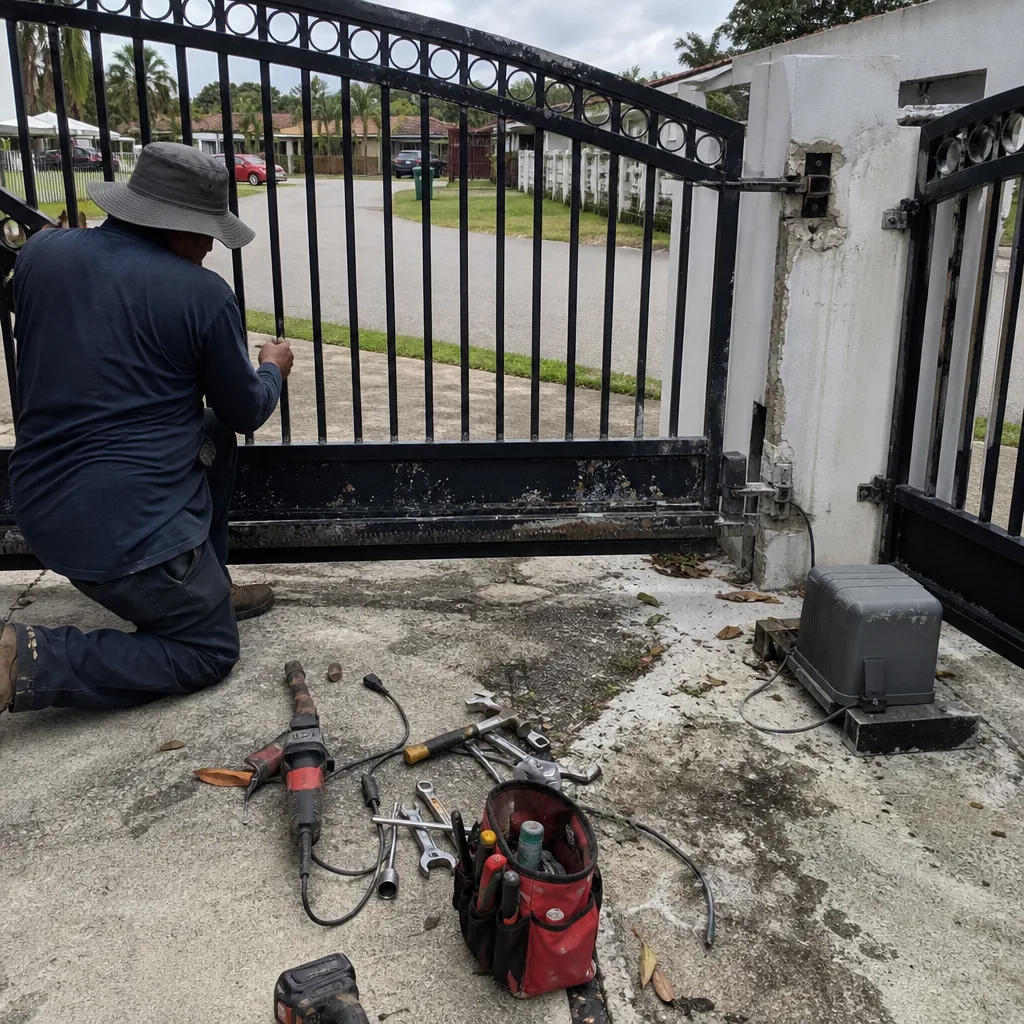 Before
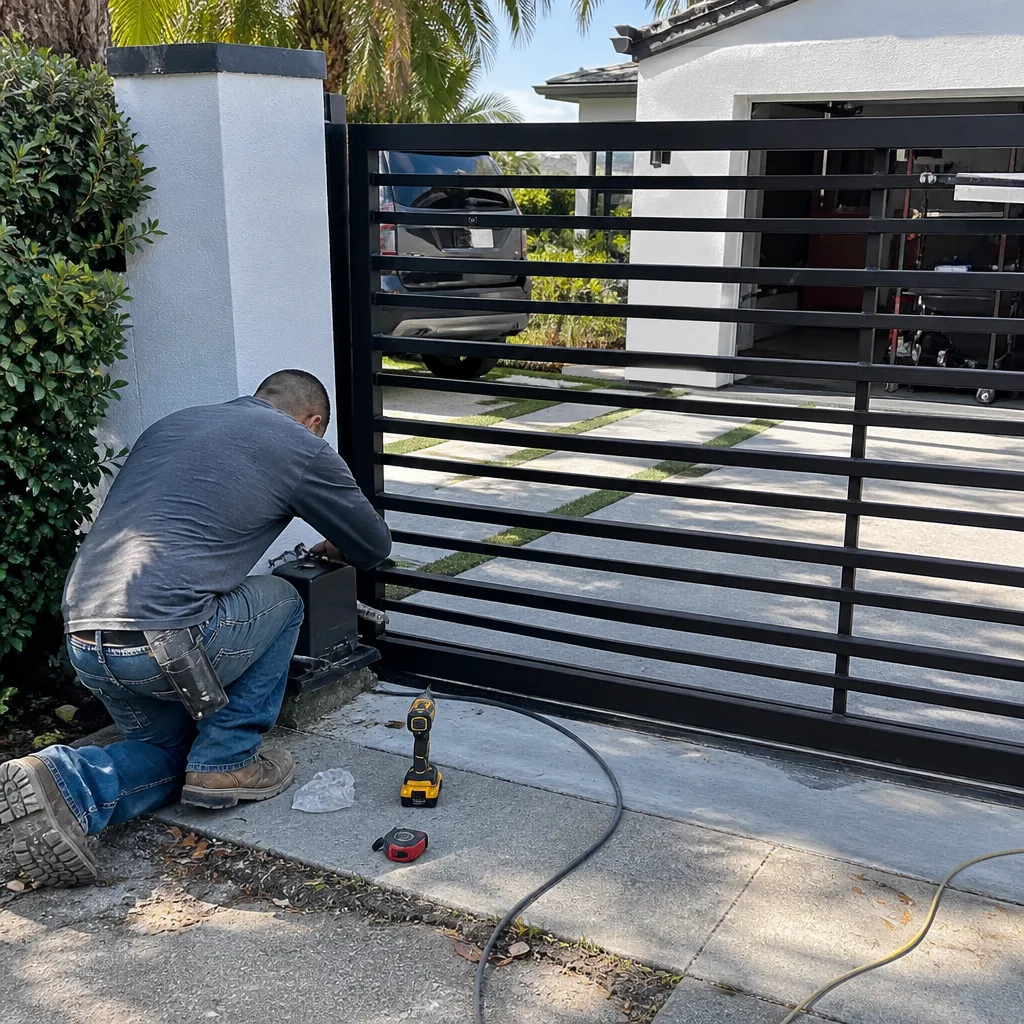 After
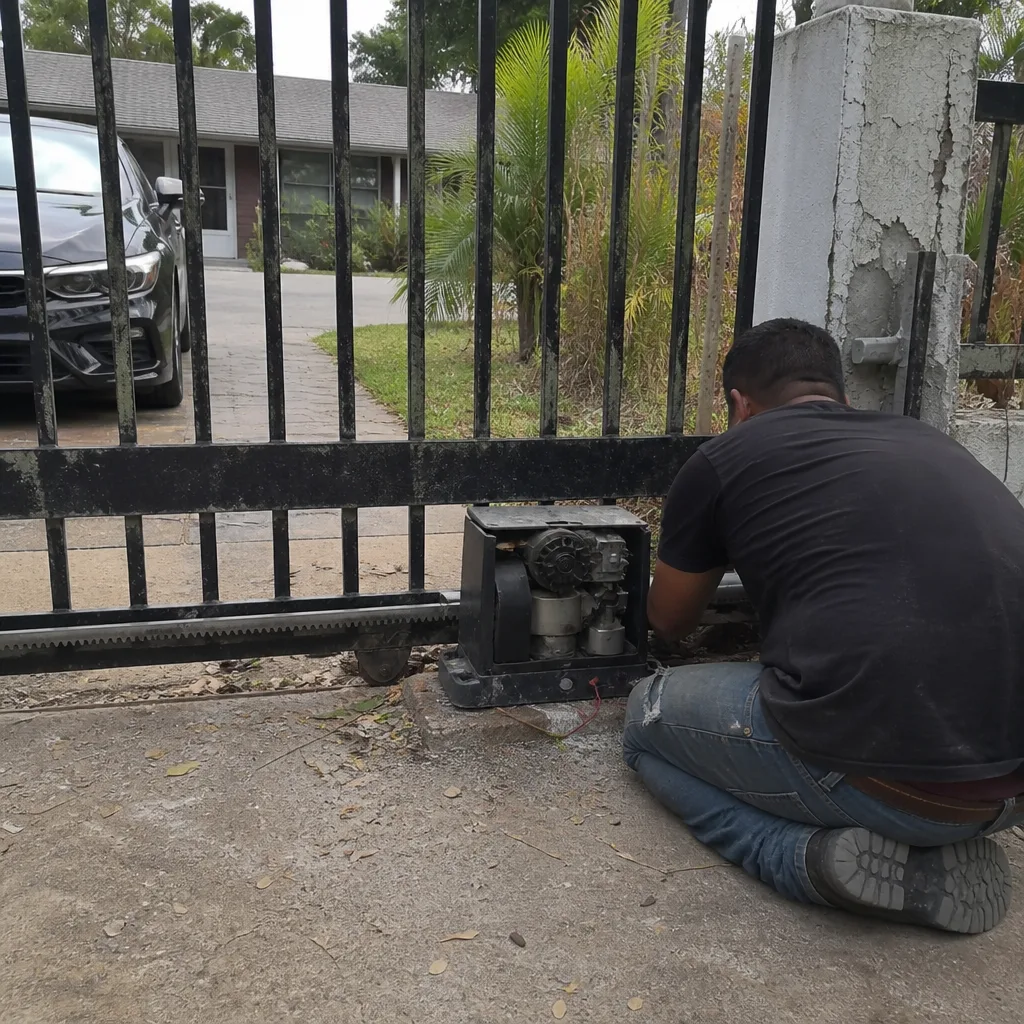 Before
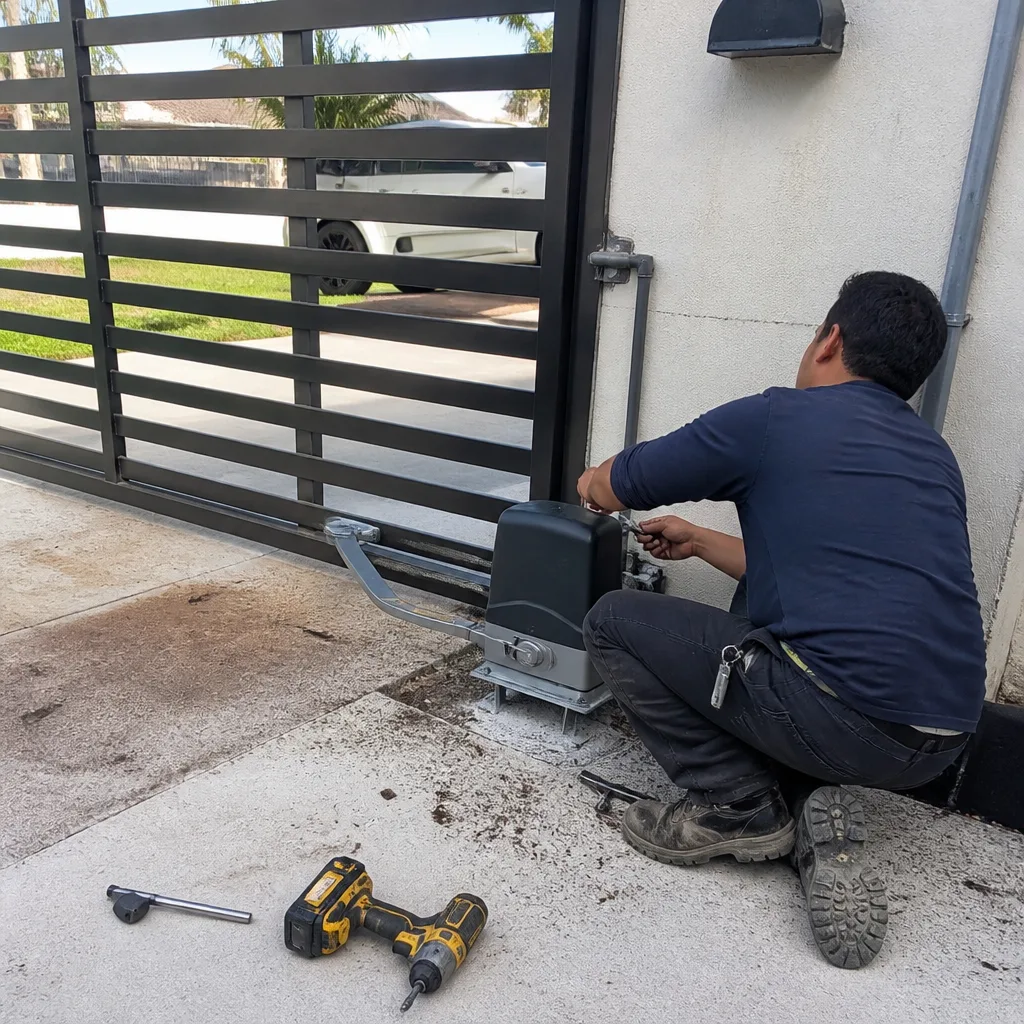 After
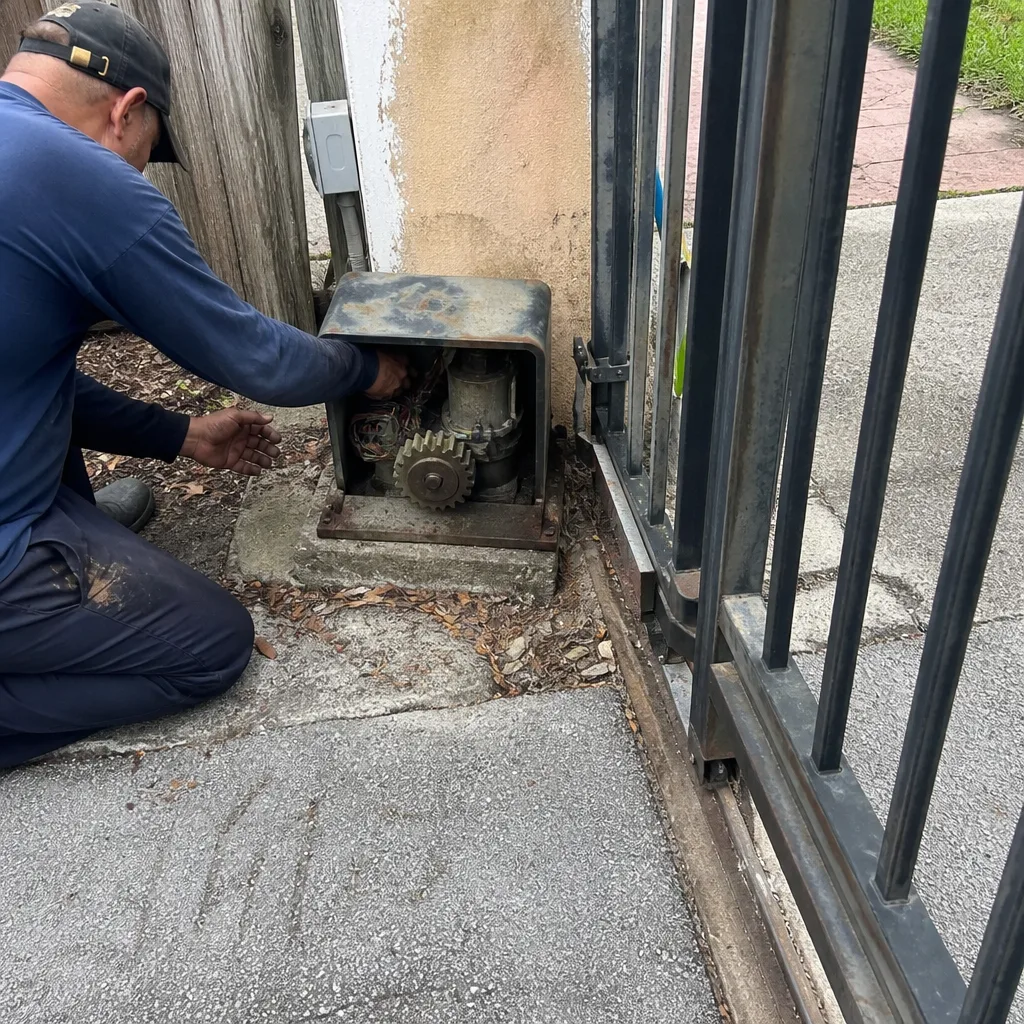 Before
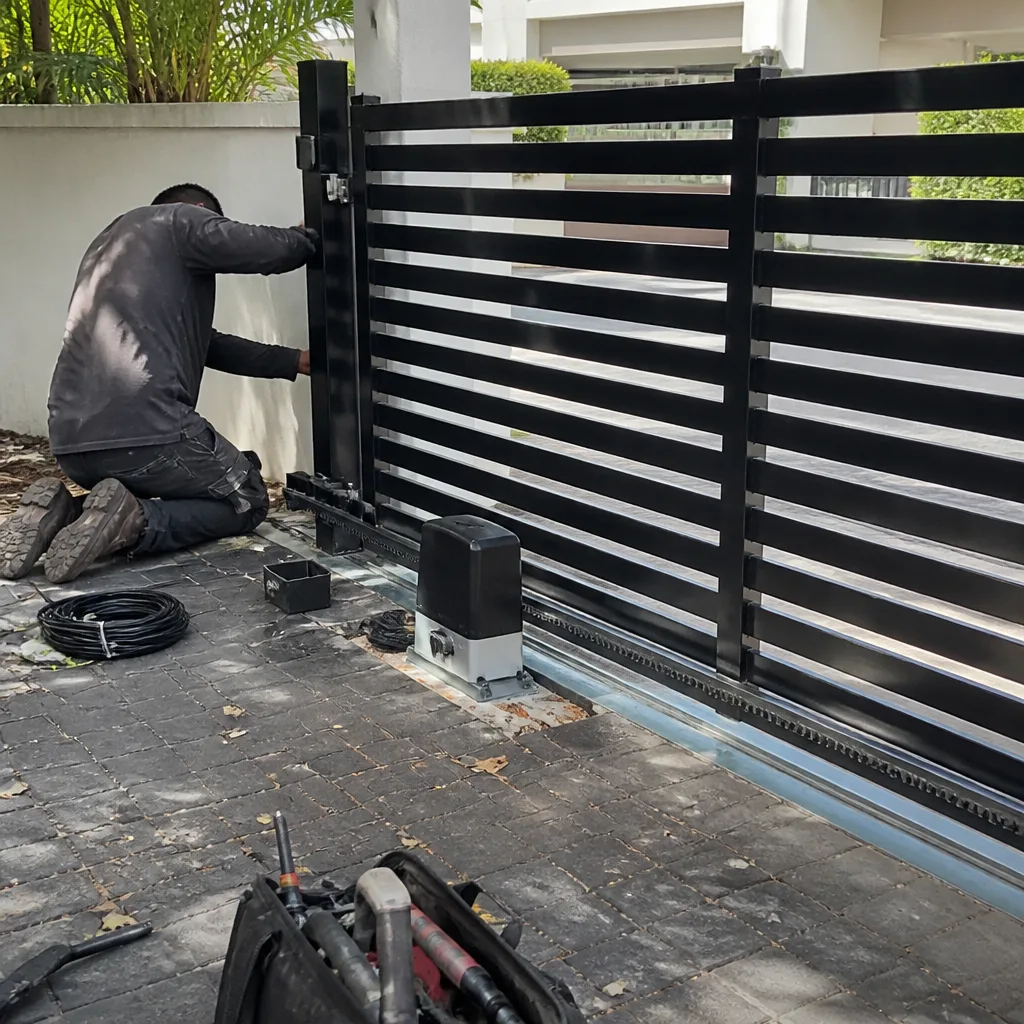 After
When to Call a Professional
Call a gate technician when a gate post shows visible movement, when the operator makes a sound it didn’t make last month, when the safety features stop working reliably, or when the gate has taken a hard hit from storm debris and you’re not sure what moved. Electrical work on automation controls, motors, and safety loops carries real risk, and a licensed technician has the diagnostic tools and the breaker knowledge to work safely. We’ve fixed enough gate failures across Miami Gardens to know that the cheapest call is the one made early. Archway Gate Repair offers free estimates in Miami Gardens, and you can reach us at (855) 360-5306. We work on all major electric gate brands including LiftMaster, FAAC, BFT, DoorKing, Linear, Viking, Ghost Controls, Elite, and Mighty Mule, which means the diagnosis is faster and the repair is done right the first time.
Frequently Asked Questions
Twice a year, timed to the seasonal transitions. A May inspection prepares the gate for hurricane season, and a November inspection addresses water intrusion from autumn storms and sets up the gate for dry-season conditions. Six-month intervals catch issues before they turn seasonal changes into expensive failures.
Expect $75 to $150 for a standard seasonal inspection and tune-up, including hinge lubrication, bolt tightening, sensor checks, and a mechanical review. Part replacements and any repairs are quoted and agreed to before work starts. Fill-in service between the two seasonal visits is rare unless you notice an issue, but a quick diagnostic call to (855) 360-5306 is free.
Yes, and in most cases you should. Leaving the gate open before a storm prevents it from becoming a wind-caught sail that strains the operator or tears bolts from the post. Once the gate is in manual mode and open, secure the leaf with a heavy strap if practical, and disconnect power to the operator.
Low humidity strips moisture from hinge grease and leaves it less effective. The metal-to-metal friction increases, and the noise you hear is the sound of wear accelerating. Dry-season lubrication with a silicone-based product every 60 days prevents the noise and the damage behind it.
Watch for three signs: the gate cycles slower than before, the operator runs longer to complete the same travel, or the gate stops in a slightly different position than it used to. Any of those indicates damage inside the motor or along the hinge line. Comparing a video of the gate cycling before and after a storm makes the difference obvious.
Most of the time, choosing the right gate repair brand means repair is the right call. Motors, control boards, and sensors are all replaceable parts, and a $300 board on a DoorKing or Elite opener is far cheaper than a full system replacement. At Archway Gate Repair, we repair first and recommend replacement only when the existing gate can’t be restored safely or economically at a cost that makes sense. Call (855) 360-5306 for a free assessment.
The Bottom Line
A gate in Miami Gardens lives in two different worlds every year. Hurricane season tests its structure, its seals, and its response to water. Dry season tests its resistance to UV, calcium, and friction. A maintenance plan that treats both seasons as separate problems, with separate checklists and separate service calls, is the only plan that holds up over time. The goal isn’t to prevent every failure; no plan can do that. The goal is to make failures so rare and so mild that the gate simply opens when you expect it to. For homeowners and property managers in Miami Gardens, two seasonal inspections a year accomplish exactly that. For more guides & resources, or if you’re not sure where your gate stands, call (855) 360-5306 and we’ll tell you what we’d check first.
Written by the team at Archway Gate Repair, serving Miami Gardens since 2011.