
Last updated October 30, 2026
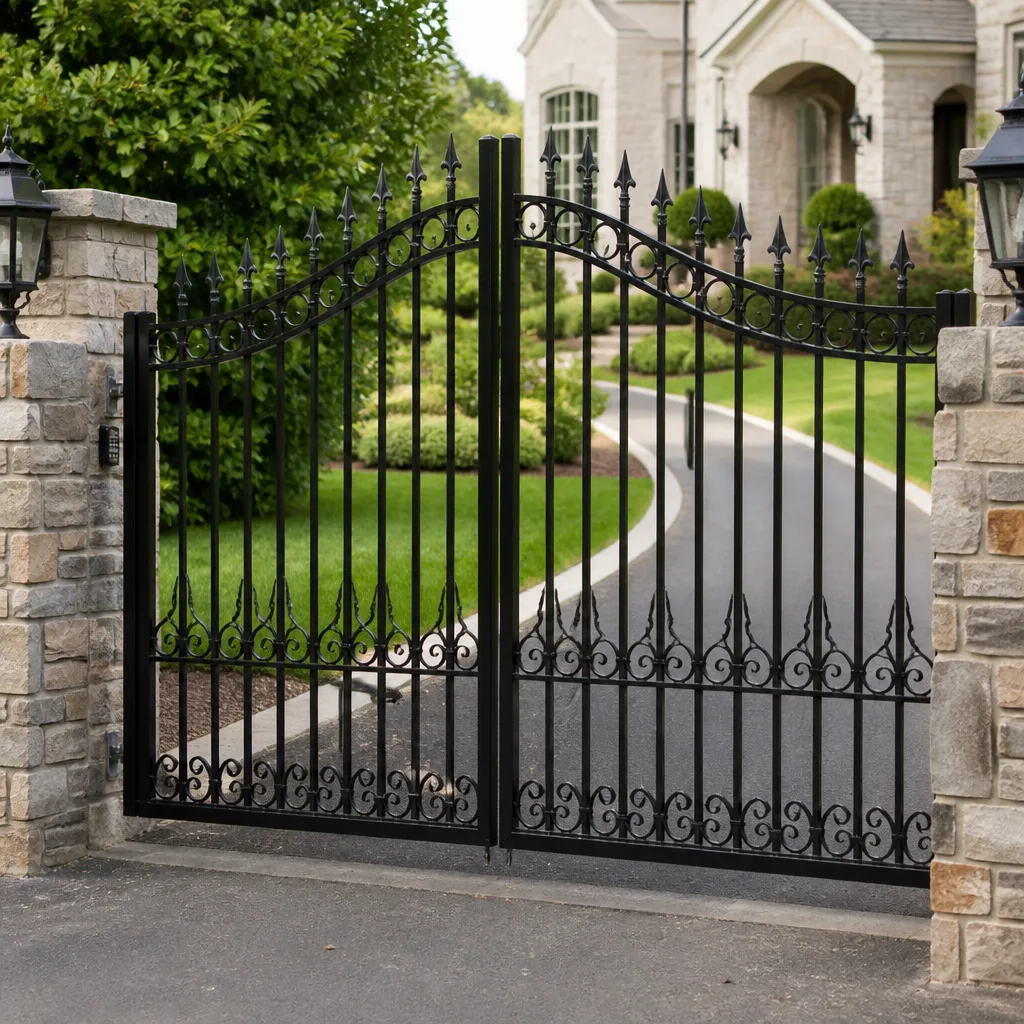 Wrought iron
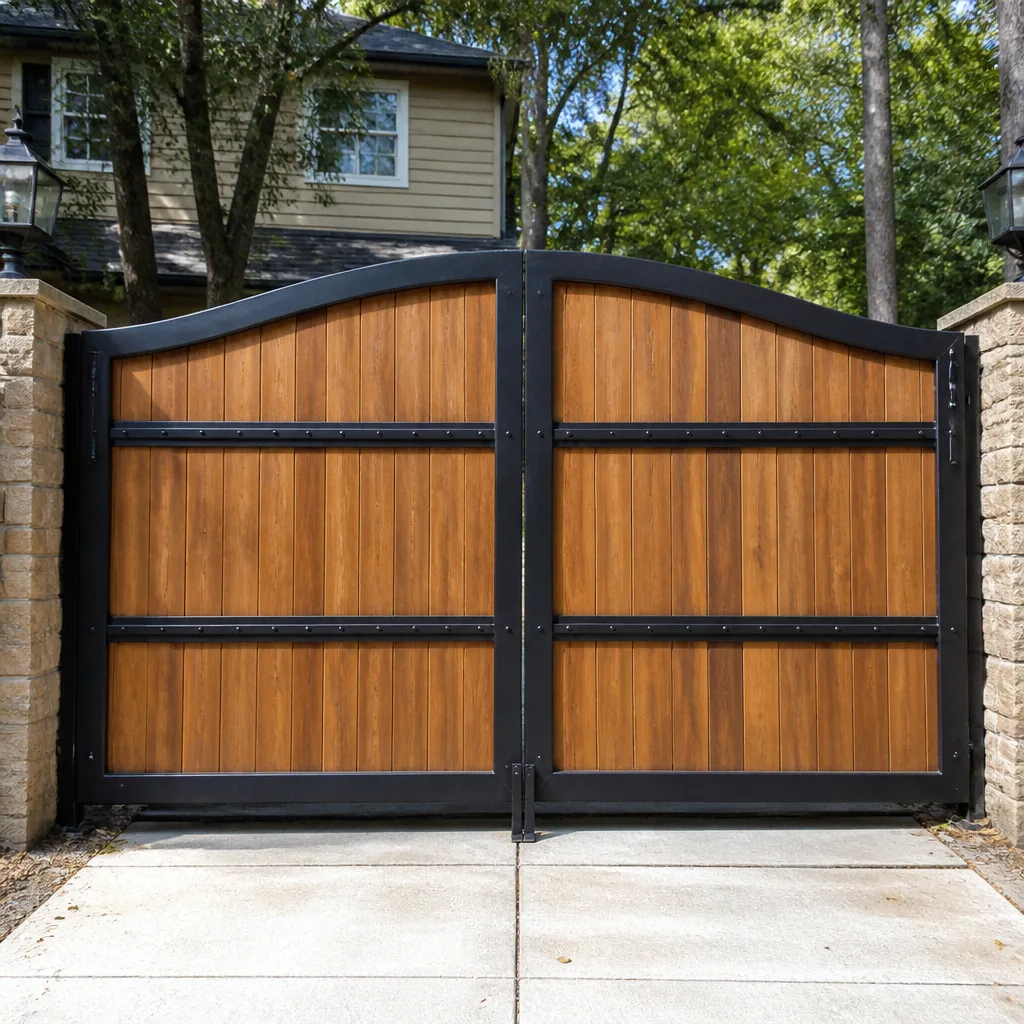 Wood & steel frame
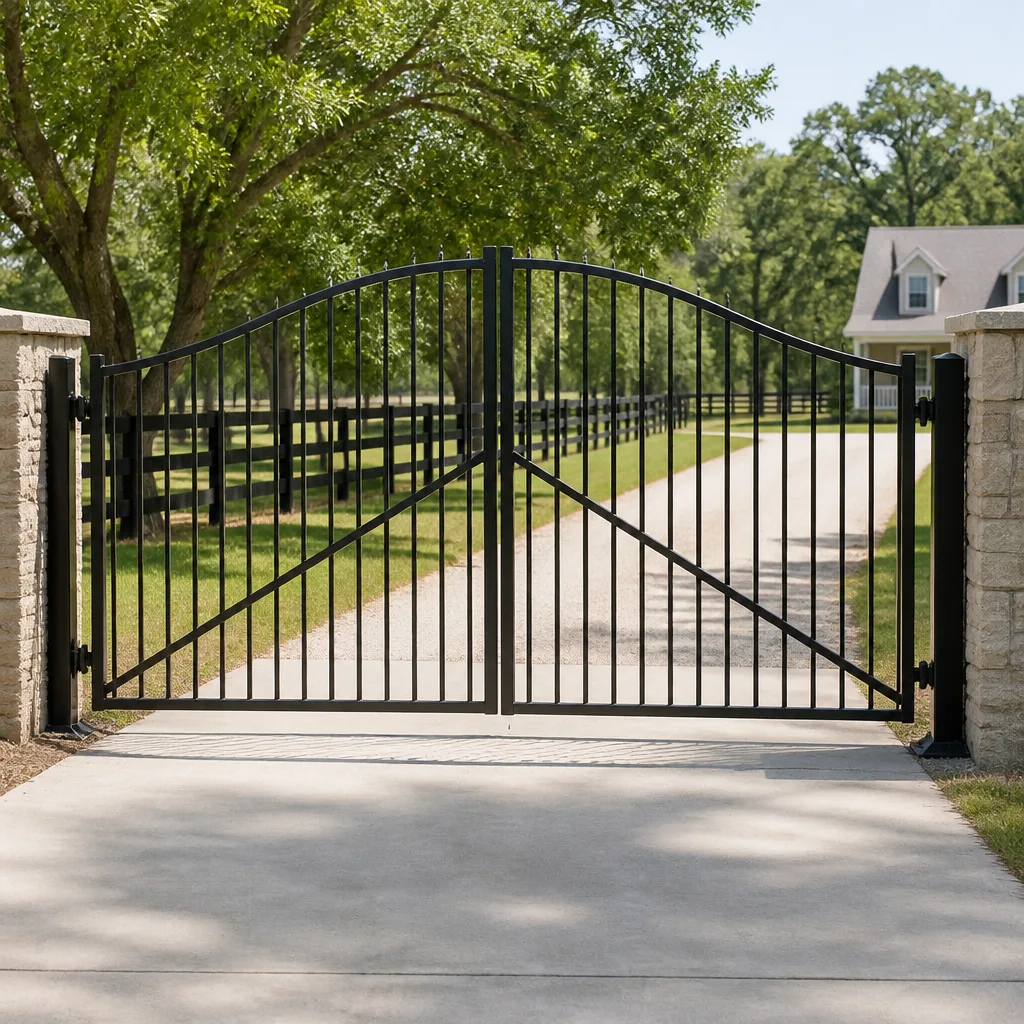 Farm & ranch
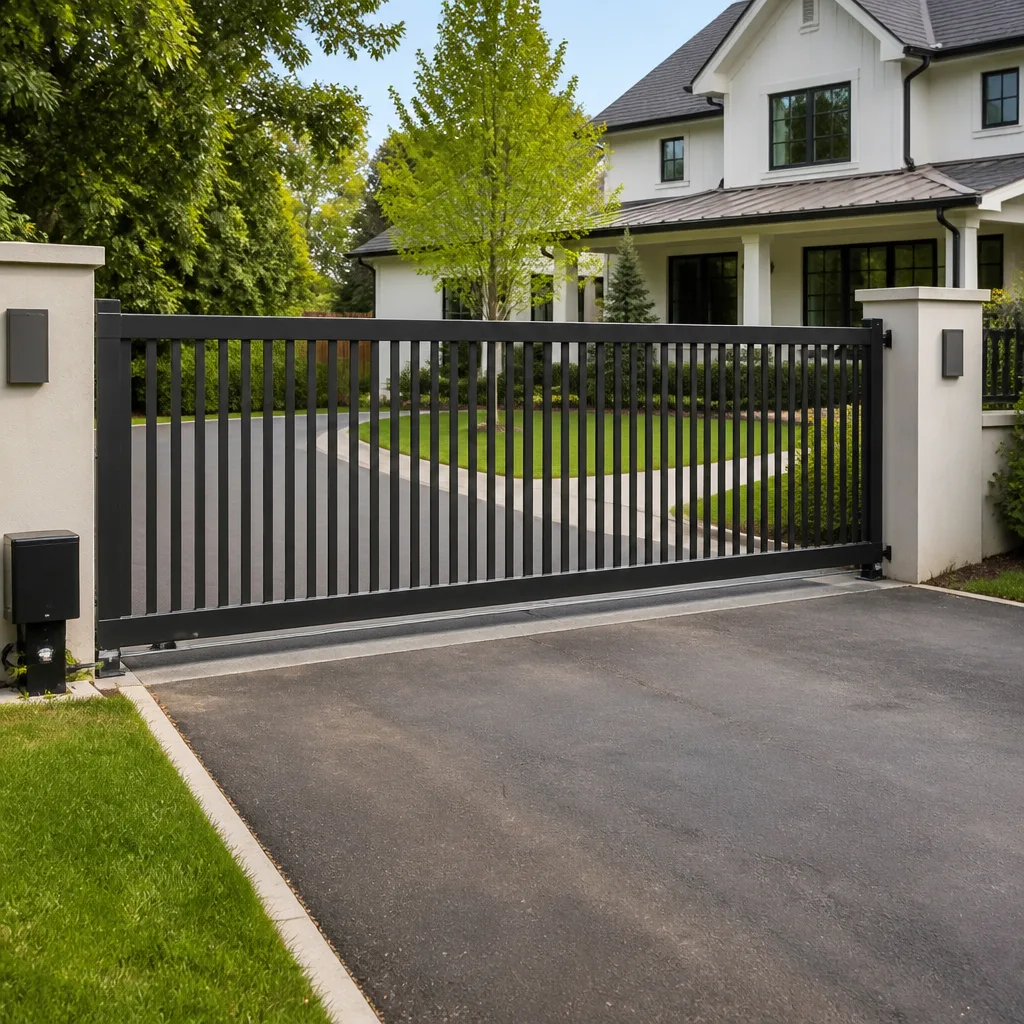 Sliding driveway gates
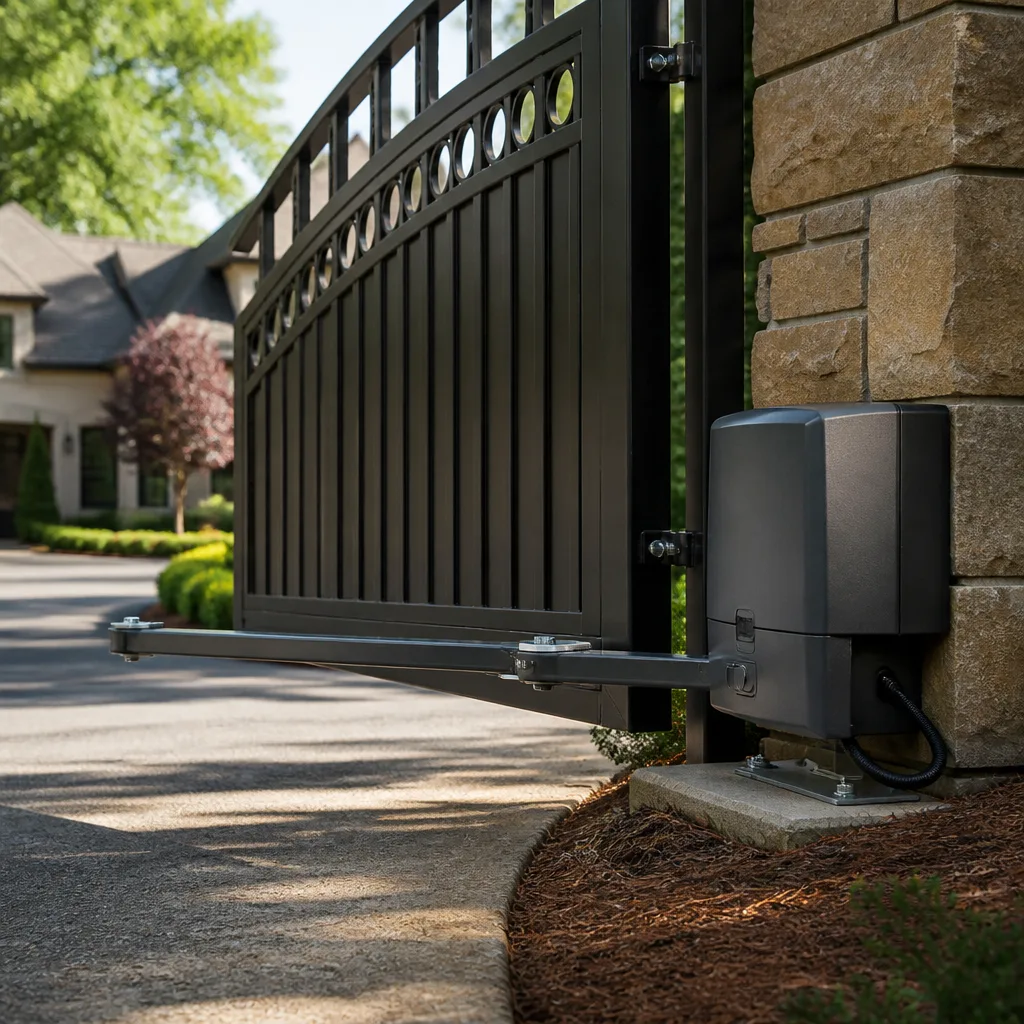 LiftMaster operators
Free on-site gate assessment - hinges, posts, and your LiftMaster or Nice gate operator checked before anything is quoted
The assessment is free and the quote is the invoice.
Get your free estimateDIY vs Professional Gate Repair: The Miami Gardens Homeowner’s Decision Guide
Florida law holds property owners liable when an improperly maintained automated gate injures someone, and here’s the detail most Miami Gardens homeowners miss: a gate repaired outside UL 325 compliance by an unqualified person is legally “improperly maintained” even when it opens and closes perfectly. This guide draws the real line between sensible DIY work and repairs that quietly transfer legal and physical risk onto your plate, and it pairs well with our Gate Repair Emergency Preparedness Guide for Miami Gardens Homes. You’ll learn which specific gate tasks are genuinely safe to self-tackle, which ones expose you to injury claims and Miami-Dade code violations, what a misdiagnosis actually costs in parts and repeat labor, and the prep work you can legitimately do before a technician arrives to keep billable time low.
Styles & brands we work with
Quick Answer
The DIY-versus-professional gate repair question in Miami Gardens is rarely about skill level: it comes down to whether your gate involves an automated operator, a compromised post or hinge, or UL 325 entrapment protection gear. If your gate has an electric opener, a structural component is failing, or the system is code-governed, hire a gate specialist for gate repair in Miami Gardens because amateur work on these systems creates injury liability even when the gate appears to work fine. Cosmetic and surface-level mechanical tasks, like cleaning track debris, tightening access covers, and replacing visible fasteners, are safe for a careful homeowner to attempt.
Table of Contents
- Where the Real Line Is: Risk Threshold, Not Task Complexity
- What’s Genuinely Safe to DIY (and What to Leave Alone)
- UL 325: The Legal Reason “It Works” Isn’t Enough
- Miami-Dade Code and Permit Triggers for Gate Work
- The Honest Cost Comparison: DIY Savings vs Misdiagnosis
- Before the Technician Arrives: Legit Prep That Lowers Your Bill
- Repair vs Replace: Knowing Where the Line Sits
- Common Mistakes to Avoid
- When to Call a Professional
- Frequently Asked Questions
- The Bottom Line
Where the Real Line Is: Risk Threshold, Not Task Complexity
The conversation most homeowners expect, style of “how handy are you?”, is the wrong one entirely. A completely competent general contractor who has never touched a Mighty Mule or LiftMaster operator is a bigger liability on an automated gate than a careful novice who resets a manual hinge bracket. The relevant question is not “Can I do this without help?” but “What happens if my fix fails?” And on that score, Miami Gardens gates fall into two very different pools.
A manual ornamental gate on a residential driveway, with no wiring, no operator, and no sagging post, creates almost no exposure if a DIY repair comes apart: the worst case is a scrape mark and a redo. But an automated gate system is a machine with stored kinetic energy and a code-mandated safety system wrapped around it. When that machine is serviced incorrectly, the failure modes aren’t cosmetic. Gates bind and snap cables. Motors burn out and lock the gate halfway, leaving the property open at night in a city where security matters. Safety sensors get bypassed because the homeowner found a YouTube workaround, and then the gate closes on a child, a car, a delivery person.
We’ve watched this specific pattern repeat across Miami Gardens neighborhoods, from Carol City to Norland to the single-family streets off NW 2nd Avenue: the homeowner who bypasses a photo eye sensor because the gate kept reversing, or who welds a broken hinge bracket instead of replacing the bearing assembly, then gets a clean-looking gate that is now a legal liability. Amateur work often creates the illusion of a fix. The gate opens. The client pays nothing beyond parts. And the real failure is now hidden behind that working cycle, waiting.
So the line isn’t drawn at complexity. It’s drawn at liability exposure and whether the system has powered components. The rest of this guide walks through exactly where that threshold sits for the specific tasks common in Miami Gardens gate systems.
What’s Genuinely Safe to DIY (and What to Leave Alone)
A short answer first: cosmetic upkeep, surface hardware, and debris clearing are safe for a competent homeowner with proper tools. Once you touch wiring, motors, control boards, hydraulic lines, post footings, or safety sensors, you’re not saving money anymore, you’re accepting liability. Here’s the breakdown.
Safe DIY gate tasks in Miami Gardens:
- Clearing leaves, soil, and limestone grit from the track channel. Coastal air and Miami Gardens rain pull fine debris into the rail over time.
- Tightening visible fasteners: hinge bolts, latch screws, and cover plates that have worked loose from repeated opening cycles.
- Spraying penetrating lubricant on visible hinge pins and latch mechanisms to stop squeals.
- Adjusting a manual gate’s drop rod or latch strike plate that has drifted a few millimeters.
- Repainting or treating a rust spot on a steel gate panel, especially important near the coast where salt air accelerates corrosion.
- Testing the operator’s manual release to confirm it disengages, though not repairing any part of that linkage.
Tasks that should immediately trigger a call to a specialist:
- Any touch on the operator motor, control board, or transformer. These are live-voltage components with proprietary diagnostics.
- Any adjustment to force limits, travel limits, or autoclose timing on a LiftMaster, FAAC, BFT, or Mighty Mule unit.
- Post work of any kind: a leaning post, a post with a visible crack, a hinge that’s pulling out of the post.
- Sensor realignment or troubleshooting: the photo eyes, edge sensors, and loop detectors that make a gate legally compliant.
- Any repair involving the gate’s wiring run, including rodent damage, connectors that have corroded, or wires showing green oxidation.
- Work on chain-drive tension, belt replacement, or clutch adjustment on a sliding gate operator.
The pattern: safe DIY is mechanical in the old sense, hand tools and elbow grease. The moment a gate’s brain or skeleton is involved, the garage or handyman approach becomes a liability.
UL 325: The Legal Reason “It Works” Isn’t Enough
UL 325 is the national safety standard for automated gate operators, and it’s the hidden reason most amateur gate repair in Miami Gardens is legally risky. The standard sets entrapment protection requirements for every automated gate system, including the exact spacing for photo eyes, the sensitivity thresholds for reverse-on-contact, and the presence of secondary entrapment protection on systems installed after certain dates.
The key fact most DIY tutorials get wrong: UL 325 is not a building code you can ignore if your gate “works fine.” It’s a product and installation safety standard that Florida property law effectively enforces through premises liability. If your automated gate injures a visitor, and a forensic review or insurance adjuster finds the operator was adjusted outside UL 325 specifications, the fact that you fixed it yourself because a forum told you to will not help your case. Florida courts have a long history of treating improper maintenance of automated gates as negligence.
What does that mean in practice? If a LiftMaster operator’s force setting is dialed too high, such that the gate no longer reverses when it meets resistance, the owner has a non-compliant gate. If a photo eye sensor is bypassed with a jumper wire, which we see frequently in Miami Gardens, the owner has a non-compliant gate. If a sliding gate’s secondary entrapment device is missing because a previous repair wasn’t done properly, the owner has a non-compliant gate. In every case, the gate itself works. The gate opens and closes on command. But it’s not legal, and the owner assumes the risk.
Professionals who work on automated gates, like Archway Gate Repair services technicians, are expected to verify UL 325 compliance as part of any service call. That means checking the force profile, confirming the photo eye’s beam alignment and response time, and testing any reverse-edge sensors on the gate’s leading edge. It’s a diagnostic discipline that doesn’t happen on a DIY job because the homeowner never learned it exists. The fact that the gate cycles once in either direction without issue after a YouTube-style fix is not a compliance check.
If you’re going to remember one thing from this entire guide, make it this: an automated gate that opens and closes is not automatically safe, and in Flordia, “safe” is the legal standard that protects you from a life-changing lawsuit.
Miami-Dade Code and Permit Triggers for Gate Work
Miami-Dade County’s building regulations are famously strict, driven by hurricane-wind-load requirements that affect every structural installation outdoors. For gate work, the relevant question is whether the repair changes the structural loading path or modifies the foundation or post system. If the answer is yes, a permit may be required, and unpermitted work in Miami Gardens can come back in two ways: a code enforcement fine from the county, or an insurance claim denial after a storm event that involves the gate.
What typically triggers a permit in Miami Gardens:
- Post replacement or resetting: if a post has rusted, cracked, or shifted and you plan to pour new concrete or add reinforcement, that’s structural work.
- Gate replacement with a different weight or wind profile: swapping a light tubular gate for a solid welded steel or composite panel changes the post and operator loads.
- Adding an automated operator to a previously manual gate: the installation introduces electrical run, safety sensors, and entrapment protection components.
- Modifying the gate’s swing arc or track path such that it extends over a property line or into a public right-of-way.
- Installing a new access control system that ties into the building’s fire alarm or emergency egress system.
Minor repairs that reuse existing mounting points, replace bearings with identical components, or restore an existing configuration don’t usually require a county permit. The gray zone comes when a “repair” morphs into a replacement. If a post is so compromised you need to dig it out, you’re now doing installation work, and Miami-Dade wants it done to code.
The practical takeaway: before you take a sledgehammer to a gate post or upgrade to a heavier gate panel, call a gate installation specialist who works in Miami Gardens and knows the county’s wind-load and anchoring requirements. The permit is not just paperwork: it’s a record that your gate passed the structural standard that Florida’s building code requires after a hurricane.
The Honest Cost Comparison: DIY Savings vs Misdiagnosis
The DIY sales pitch on gate repair is straightforward: the part costs $85, the labor call costs $295, so you “save” $210. But that math only holds if you correctly diagnosed the failure in the first place, and gate diagnosis is where amateurs consistently get it wrong. In our experience across Miami Gardens, misdiagnosis is not the exception, it’s the default, because gate systems have layered failure modes that present with the same symptom.
A gate that opens slowly, for example, could mean: a failing capacitor on the motor (cheap if caught early), a dragging wheel bearing that’s seizing (also cheap), or a control board sending diminishing voltage to the motor (expensive, and the board eventually fails completely). The homeowner buys a capacitor for $30, or a new bearing set for $45, and neither fixes the underlying board issue. Two weeks later the gate stops moving entirely. The DIY “savings” just turned into an extra parts cost plus the professional visit that was going to happen anyway.
We’ve also seen the opposite pattern: a homeowner quotes a full control board replacement for a gate that only needed a clean photo eye lens. The part alone runs $250 to $600 depending on the brand, and the real fix was a wipe with a cloth. Diagnosis is the skill you’re actually paying for, and it’s the skill that takes years of hands-on work to develop across brands like LiftMaster, FAAC, BFT, and Mighty Mule.
Here’s the cost table that matters:
| Repair Path | Typical Parts Cost | Typical Labor | Risk-Adjusted Reality |
|---|---|---|---|
| DIY on correct diagnosis | $30 – $85 | $0 | Rare: only for cosmetic or surface tasks |
| DIY on wrong diagnosis | $45 – $300+ | $0 | The repair doesn’t work; part is non-returnable |
| Professional on correct diagnosis | Wholesale pricing | $95 – $395 | Fix on first visit; UL 325 checked |
| Professional after DIY misdiagnosis | Correct part | Same labor, plus diagnostic time | Total is now more than a first-call fix |
The honest framing: DIY isn’t free money. It’s a bet that your diagnosis is right, and the odds on that bet are longest precisely when the repair matters most, on automated systems and structural work. Manual gate fixes on simple hardware, that’s a different bet, and a reasonable one for many Miami Gardens homeowners to make.
Before the Technician Arrives: Legit Prep That Lowers Your Bill
Here are the prep steps that genuinely reduce billable time on a service call, without tempting you to touch the system yourself. These are not “fix it first” steps: they’re documentation and cleanup steps that help the technician get to the diagnosis faster. Collect them before you call.
- Write down the gate’s brand and operator model. The label is usually on the operator housing or the control board cover. “LiftMaster LA400” or “FAAC 400” tells a technician a lot before they arrive.
- Note exactly what the gate does and when it started doing it. “Gate reverses halfway on close after it rains” is a more useful symptom than “it’s broken.”
- Clear debris, vegetation, and household items away from the gate’s full travel path. This takes three minutes and saves paid diagnostic time.
- Test and record any pattern: does it fail on open, close, or both? Does it happen in the morning but not the afternoon? Does the remote have full range, or is it intermittent?
- Photograph any visible damage, from a crooked post to a cracked control panel cover, and have the photos ready to show.
- If you have the original install paperwork or a past repair invoice, pull it out. Previous service history tells the technician whether this is a recurrence or a first-time failure.
- Shut off decorative irrigation near the gate track for the visit: water spraying the operator is both a safety issue and a diagnostic variable.
This is the kind of prep that lets a technician roll up with the right parts on the truck, which is the difference between a same-visit repair and a two-visit job. You’ll find more guides & resources on our blog. It’s also prep that communicates you’ve been observing the system carefully, which any decent gate tech appreciates.
Repair vs Replace: Knowing Where the Line Sits
Some Miami Gardens homeowners don’t need repair work at all; they need to recognize that their gate is an install waiting to happen. The repair-replace decision usually hinges on three concrete factors: post integrity, operator age, and panel rust.
Post integrity is the simplest. If a post is cracked at the base, leaning more than a few degrees, or the mounting plate is pulling free from the masonry, the repair is post replacement, and that’s not a repair job, it’s a reset and remount, complete with new anchoring to Miami-Dade wind-load standards. Patching a failed post with concrete is a temporary fix that the next strong weather event undoes.
Operator age is a quieter determinant. A gate operator from the mid-2000s that has already lived past its expected service life, typically 8 to 15 years in Florida’s heat and humidity, is not a good repair candidate when the control board fails. You can replace a board on a 20-year-old Mighty Mule, but the operator’s other components are all aging on the same timeline. The honest recommendation for many clients is a replacement operator installed to current code, not a patch that restarts the cycle.
Panel rust is the third sign. Miami Gardens’s humid atmosphere is not kind to poorly sealed steel, and a rust-through hole near a hinge point or on the lower rail means the panel’s structural integrity is already compromised. Section replacement can work for ornamental gates, but on a welded steel panel, you’re often looking at full replacement as the economically sensible path.
Our default rule is repair-first, but not repair-at-any-cost. When the repair no longer provides a reliable service life measured in years, the installation quote is the honest answer.
Common Mistakes to Avoid
- Bypassing photo eye sensors to stop a “reversing” complaint. The gate reverses for a reason; a jumper wire eliminates the gate’s entrapment protection and turns a nuisance repair into a liability claim. Fix the sensor alignment instead.
- Lubricating the track with WD-40. It’s a moisture displacer, not a track lubricant, and it attracts Florida dust into a paste that makes the gate drag worse. Use a proper dry silicone or specialist track grease.
- Tightening sagging gate hinges with longer screws. Screws pulling out of a post means the post is failing or the fasteners were wrong from the start. Screw upgrades mask the problem until the gate comes down on a car or a person.
- Replacing a control board without fixing the underlying short or voltage issue. The new board fails the same way the old one did, usually within months. This is a $300 – $600 lesson in diagnosis.
- Watching a brand-specific YouTube video that does not match your exact operator model. Wire colors and terminal positions differ across brands and even across model years. “Close enough” wiring kills control boards instantly.
- Forcing a gate that won’t move by pushing or pulling it. A jammed automated gate is a symptom of a seized component. Forcing it often bends the drive arm or strips the gearbox, turning a bearing replacement into a motor replacement.
- Ignoring the gate until it stops completely. Grinding noises, slow open cycles, and intermittent remote range are early warnings. Calling at the first reliable symptom is almost always cheaper than calling after the failure.
When to Call a Professional
If any of these conditions apply to your Miami Gardens gate, skip the DIY phase and call a specialist. The gate has an automated operator, or any electric component whatsoever. A post is leaning, cracked, or showing signs of lifting from its footing. You have a Mighty Mule, LiftMaster, FAAC, or BFT opener that is erratically behaving, beeping, or reversing for no clear reason. The gate fails on one specific cycle, such as closing at a certain point every time, which is a sensor or travel limit symptom. You’ve reinstalled a part and the gate now makes a new noise. Any entrapment protection component is damaged, bypassed, or showing error lights. The gate hasn’t been professionally serviced in three or more years, and you don’t know whether it meets current UL 325 compliance. On any of these, electric gate repair is the only responsible path. Archway Gate Repair offers free estimates in Miami Gardens: call (855) 360-5306 for a diagnosis and an honest price before any work begins.
Frequently Asked Questions
Yes, there’s no law that says you cannot repair your own gate, but Florida’s premises liability rules make you legally responsible for any injury caused by a gate that was improperly maintained or adjusted, including work you did yourself. UL 325 compliance is the legal safety baseline, and an unqualified repair is exactly the kind of “improper maintenance” plaintiff’s attorneys look for.
On simple manual gate tasks like hinge lubrication, track clearing, or fastener tightening, you save the full labor charge, typically $100 to $200 per visit. On automated gate repairs, you save the labor only if your diagnosis is correct; if you misdiagnose, which is common, you spend parts money without fixing the problem and still pay for the professional visit later.
UL 325 is a national safety standard for automated gate operators covering entrapment protection, force limits, and sensor requirements. A Miami Gardens homeowner should care because gates serviced outside UL 325 are legally non-compliant, and if such a gate injures someone, the owner’s homeowner’s insurance may deny coverage based on the improper maintenance.
Surface rust on a gate panel that hasn’t penetrated the metal can be sanded and repainted by a homeowner with proper rust-converter primer and outdoor paint. Rust that has eaten through the panel, especially near a hinge point, lower rail, or motor mount, is structural and calls for professional assessment, not a patch.
Minor repairs that reuse existing mounting points and don’t change the structural load typically do not require a permit. Post replacement, resetting, changing to a heavier gate panel, or adding an operator to a previously manual gate can trigger Miami-Dade County permit requirements, and unpermitted work can complicate insurance claims after a storm.
Write down the brand and model of your gate and operator, note exactly what symptom the gate is showing and when it started, clear the gate’s travel path, and photograph any visible damage. This preparation reduces diagnostic time and lets the technician arrive with the correct parts, which keeps the total bill low.
The Bottom Line
The DIY-vs-professional line in Miami Gardens isn’t about how handy you are: it’s about the kind of system you own and the consequences of a failed fix. Manual gates with simple surface hardware reward careful DIY attention, and you can handle those jobs with a wrench and a tube of the right lubricant. Automated gates, structurally compromised posts, and UL 325 safety systems are a different species entirely: there, amateur work creates legal exposure, code violations, and the false economy of a misdiagnosed repair. If the gate has a motor, a sensor, or a suspicious post, the Archway Gate Repair team works on the brand already on your property, diagnoses rather than guesses, and repairs first before recommending replacement. Call (855) 360-5306 for a free estimate, and we’ll give you an honest answer about what your gate actually needs.
Written by the team at Archway Gate Repair, serving Miami Gardens since 2011.
See the difference
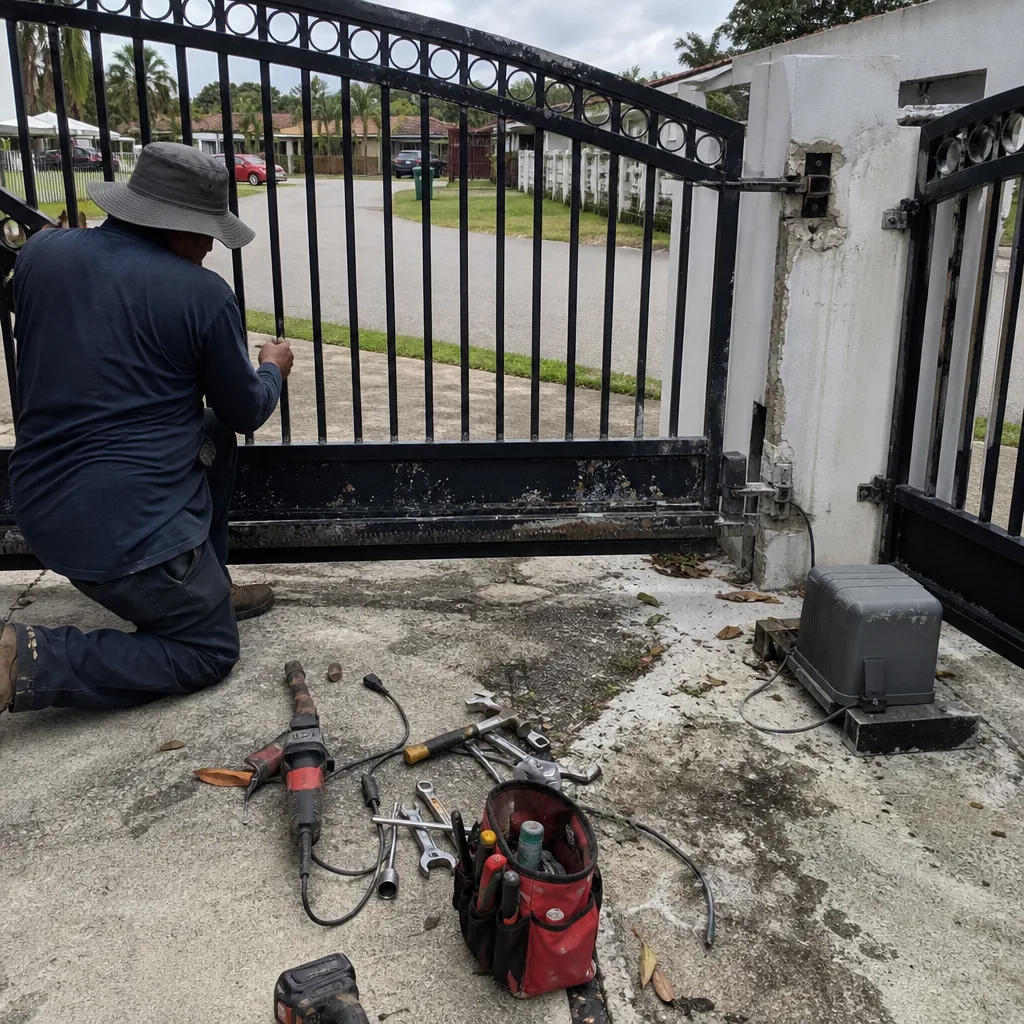 Before
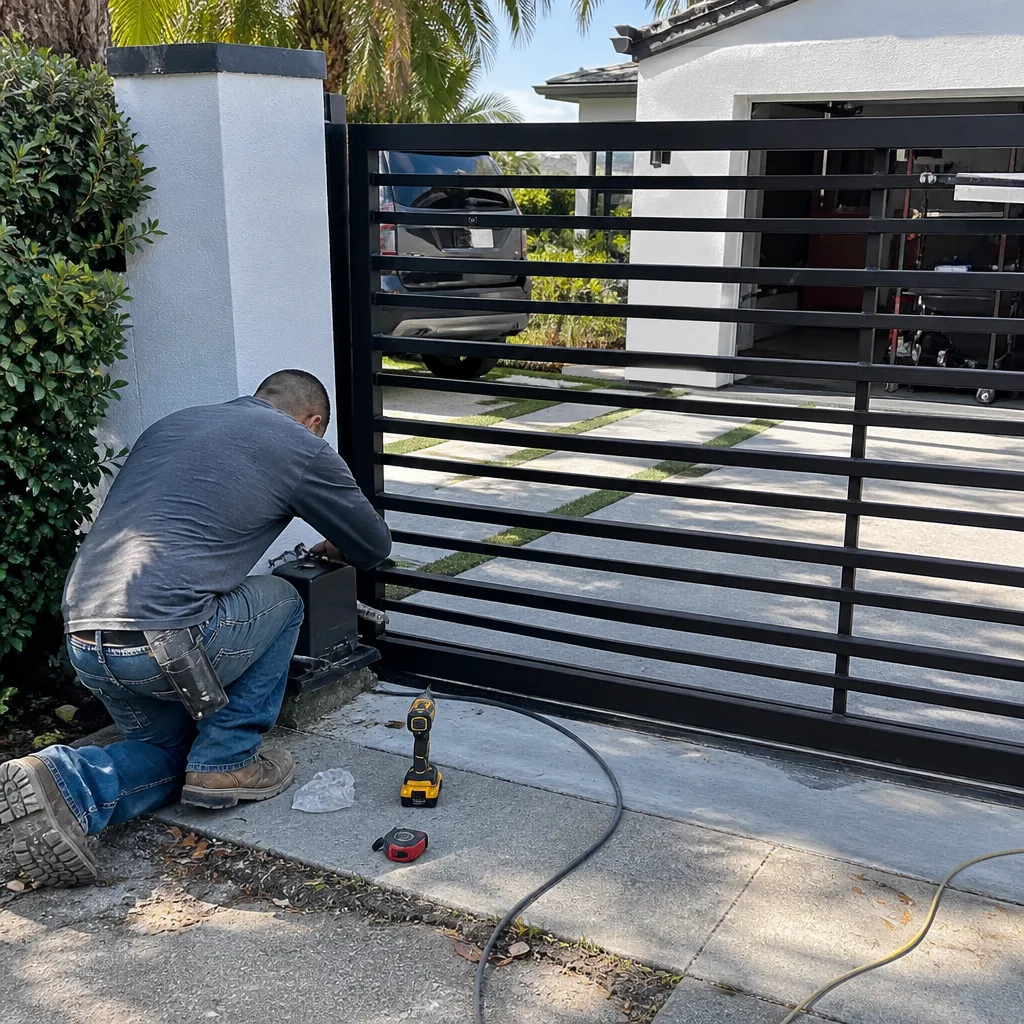 After
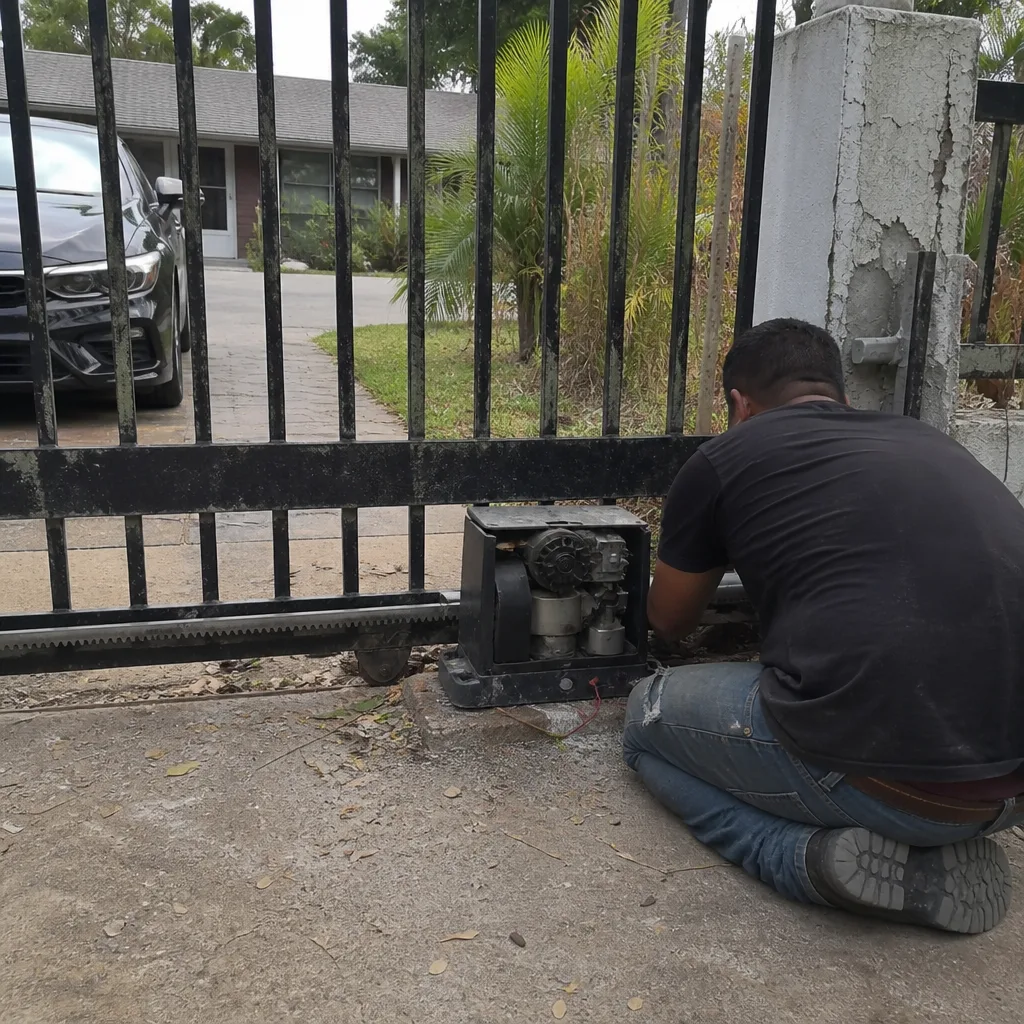 Before
 After
 Before
 After