Last updated October 30, 2026
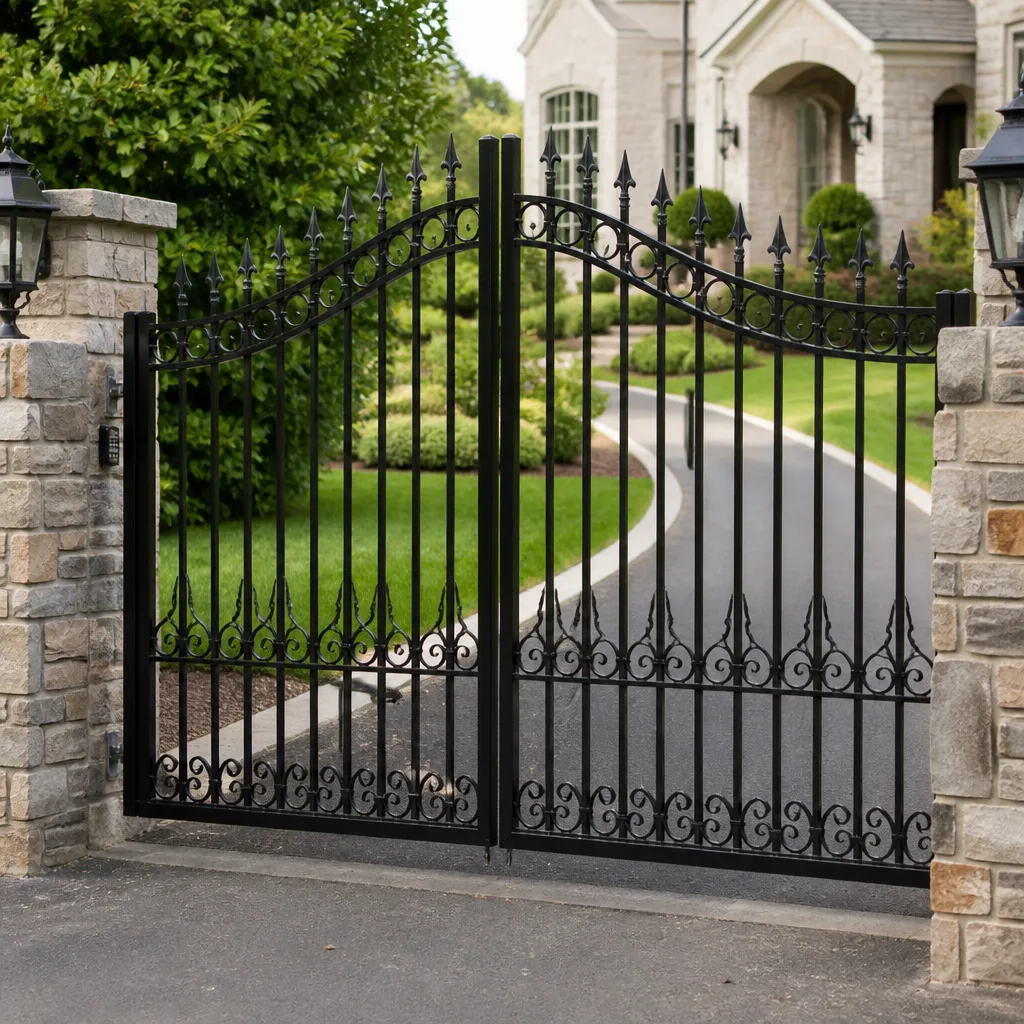 Wrought iron
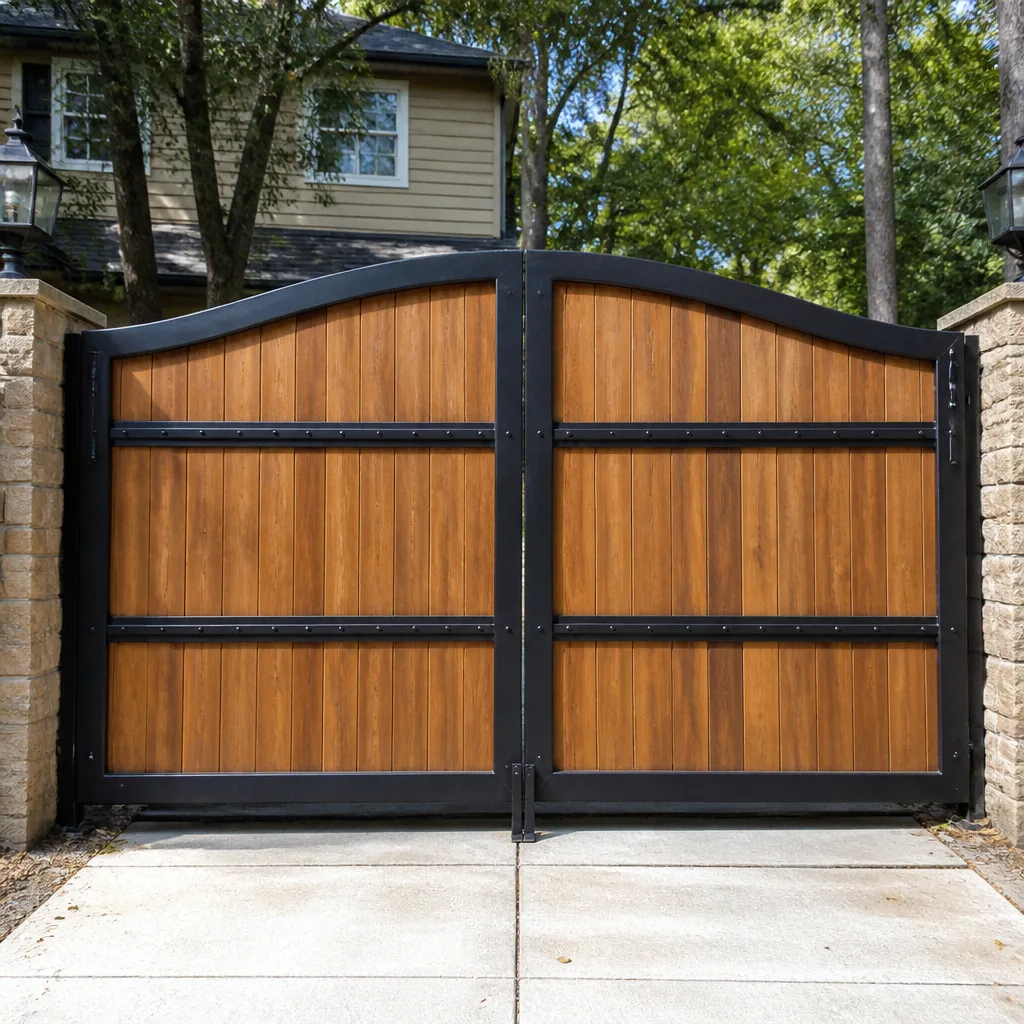 Wood & steel frame
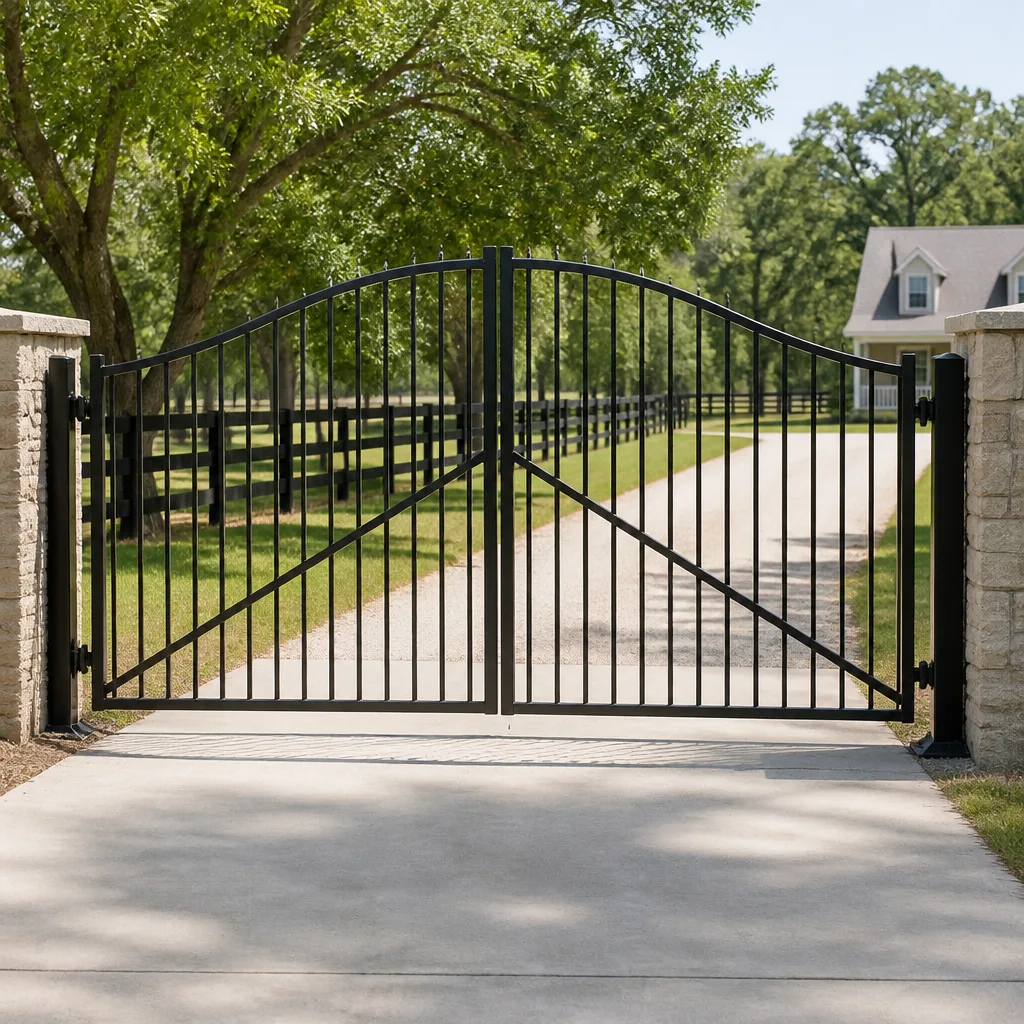 Farm & ranch
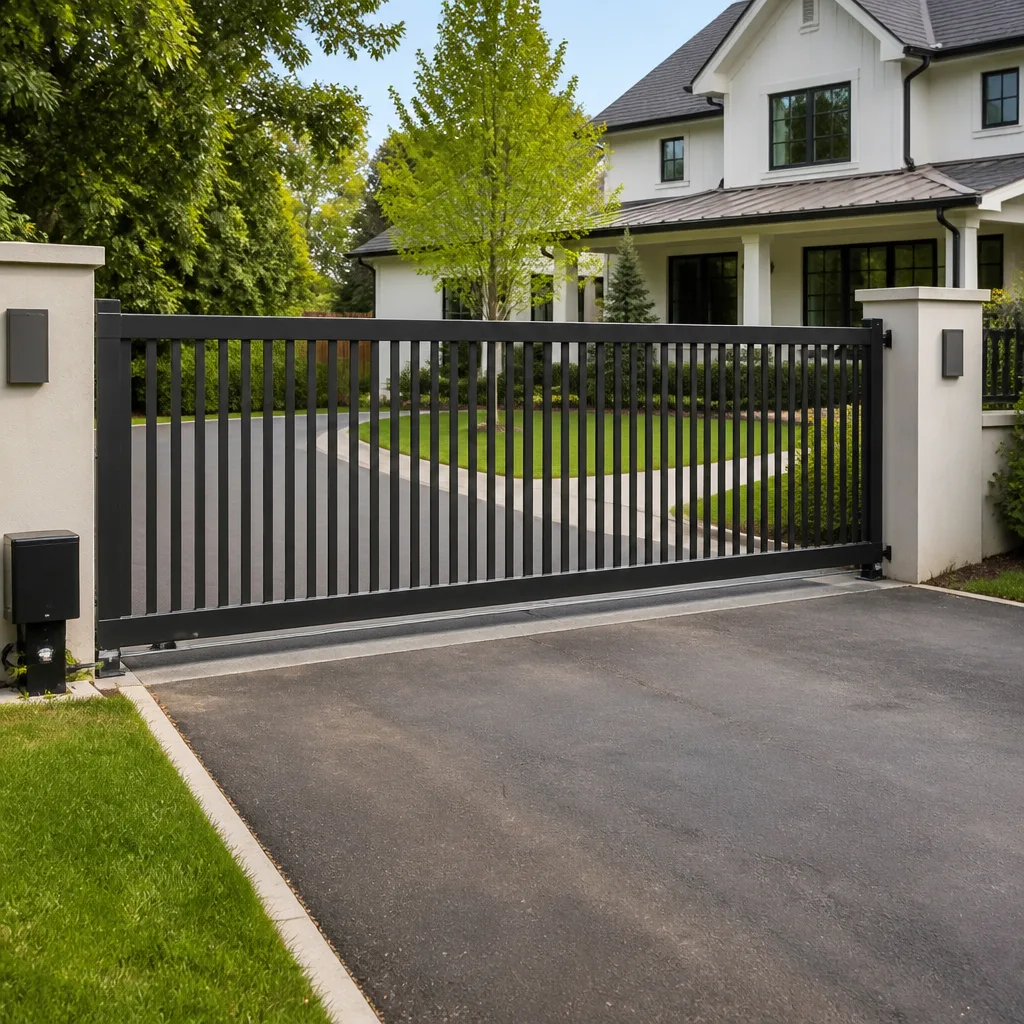 Sliding driveway gates
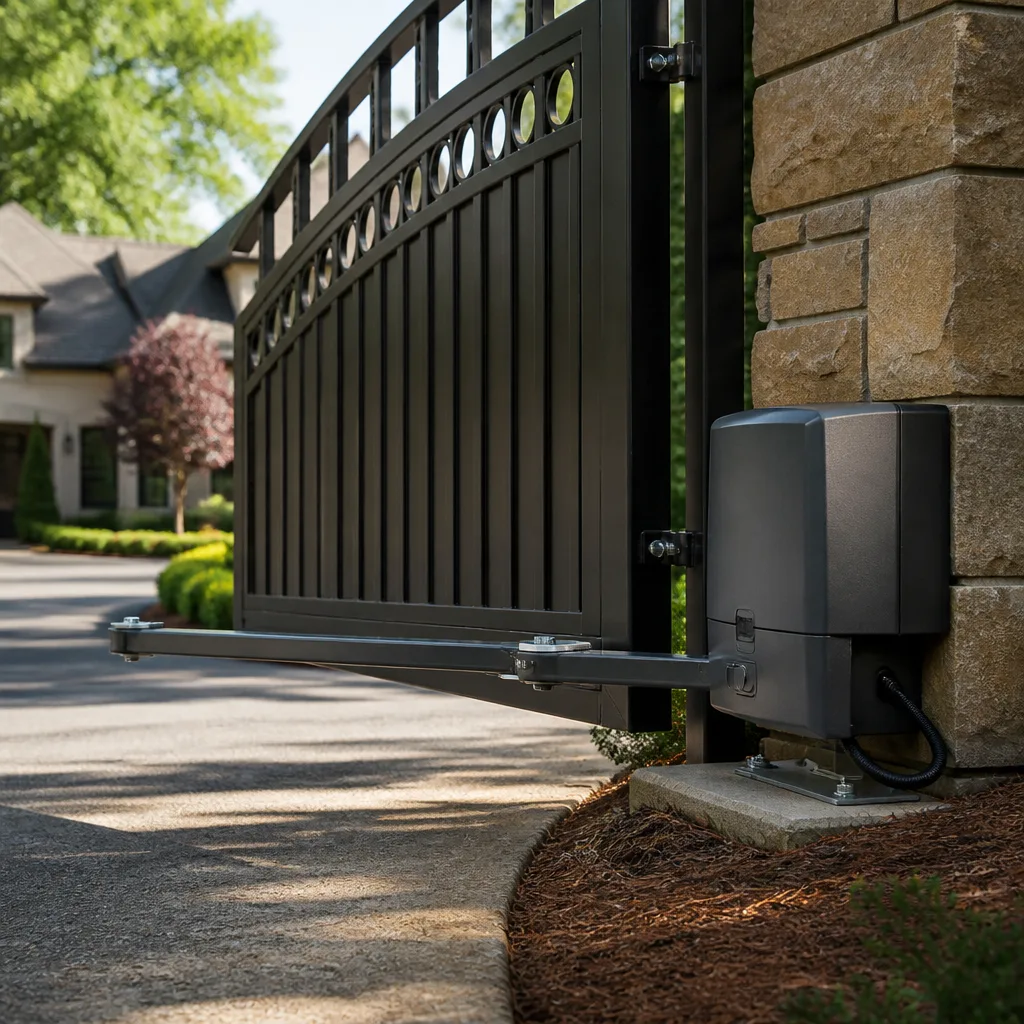 LiftMaster operators
Free on-site gate assessment - hinges, posts, and your LiftMaster or Nice gate operator checked before anything is quoted
The assessment is free and the quote is the invoice.
Get your free estimateGate Repair Maintenance Checklist for Miami Gardens Homeowners
Here’s a counterintuitive fact from years of working on gates across Miami Gardens: the most commonly skipped maintenance task isn’t lubrication, and it isn’t checking the hinges. It’s clearing the drain path at the base of the gate post. That small clogged weep hole or buried gravel channel is where the majority of rust-driven structural failures quietly begin in Miami Gardens. Not Hollywood. Not Miramar. Right here, where the water table sits high and summer rain comes in sheets. This guide reorders gate maintenance by what actually fails first in South Florida’s heat and humidity, not by what’s easiest to inspect. You’ll learn the task-by-task sequence we use when assessing gates in Miami Gardens, which products survive our climate, and what to check immediately after a tropical system moves through.
Quick Answer
A Miami Gardens gate maintenance checklist should prioritize the drain path at the base of gate posts, hinge and weld inspection for rust, operator wiring inspection for moisture intrusion, and post-storm checks after heavy rain events. Most gate failures here stem from trapped water and corrosion, not mechanical wear from use. Following a humidity-calibrated checklist every 60 to 90 days, with additional checks after tropical storms, prevents the majority of our Gate Repair services calls we see in Miami Gardens.
Styles & brands we work with
Table of Contents
- The Drain Path First: Why Water Kills Miami Gardens Gates Faster Than Wear
- Hinge and Weld Inspection: The Structural Check Most Checklists Skip
- Lubrication in South Florida: What Survives Miami Heat and What Turns to Grit Paste
- Electric Gate Wiring and Moisture: The Rainy Season Inspection Sequence
- Post-Storm Gate Inspection: What to Check Within 48 Hours After a Tropical System
- Material-Specific Maintenance Intervals: Powder-Coated Aluminum, Wrought Iron, and Vinyl
- Maintenance for HOA and Commercial Gates in Miami Gardens: Additional Load Factors
The Drain Path First: Why Water Kills Miami Gardens Gates Faster Than Wear
In drier climates, gate posts rust from the outside in, and the process takes decades. In Miami Gardens, posts rust from the inside out, and we’ve seen powder-coated steel posts lose structural integrity at the base within eight years when the drain path is blocked. The reason is simple: Miami Gardens sits on a shallow aquifer. When it rains heavily, the soil around a gate post stays saturated for days. If water can’t drain away from the post base, it wicks up inside the post cavity. The result is a rust line that forms at the exact point where the post enters the concrete footer or the soil. We see this on gates across Miami Gardens, from residential driveway gates in Andover to commercial entry gates along NW 27th Avenue.
The fix is genuinely simple, and it takes less than five minutes per post. Here’s the sequence:
- Locate the weep holes at the base of each gate post. Most posts manufactured for the Florida market have them, but they’re frequently painted over or packed with construction debris.
- Clear the weep holes using a thin wire or a small flathead screwdriver. If water drains out, that’s a good sign. If nothing drains, the post may be holding water.
- Clear the gravel channel or drainage swale around the post base. Landscaping mulch, grass clippings, and decomposed leaves accumulate here.
- Grade the soil away from the post by a few degrees. Even a one-inch drop over two feet moves significant water away during a Miami Gardens downpour.
- Recheck after heavy rain. If standing water remains within three feet of the post after 30 minutes, you have a drainage problem that needs a professional look.
This is the part of the checklist that rarely appears on generic gate maintenance guides, and it’s the part that matters most in Miami Gardens. For Gate Repair Troubleshooting: Common Problems and How to Fix Them, start with this step.
Hinge and Weld Inspection: The Structural Check Most Checklists Skip
Gate hinges in Miami Gardens fail in a predictable pattern. The top hinge, which carries tension, starts to bind. The bottom hinge, which carries weight and sits closest to splashback from rain, starts to corrode. The symptoms show up weeks or months before a failure: the gate sags slightly on one side, it scrapes the ground or the strike post, or it takes more force to move than it did a month ago.
Here’s the inspection order we follow when we walk a gate in Miami Gardens:
- Lift test. With the gate in the closed position, grip the latch edge and lift upward. Movement beyond an eighth of an inch at the hinge means the hinge bearings or the hinge weld have worn.
- Visual weld check. Look at every weld point on the frame and the hinges. In Miami’s humidity, a cracked powder coat at a weld is the first sign that moisture has entered the joint. Surface rust at a weld is a structural warning, not a cosmetic issue.
- Hinge pin check. Look for a gap between the hinge pin and the hinge barrel. A widening gap means the pin is wearing unevenly, which puts additional load on the remaining contact surface.
- Sag measurement. Measure the gap between the gate’s latch edge and the ground. Compare it to the hinge edge. A difference of more than half an inch means the gate has shifted and the hinges are carrying off-axis load.
- Fastener check. Every lag bolt, through-bolt, and set screw at the hinge should be tight, and none should show rust bloom around the head.
For automated gates, hinge wear is an accelerant for motor failure. A binding hinge adds rolling resistance that the operator’s motor has to overcome on every cycle. A LiftMaster or FAAC operator that’s working against a sagged hinge runs hotter and burns through its capacitor faster. If your Miami Gardens gate is automated and the hinges have visible slop, the hinge issue is urgent even if the gate still operates.
Lubrication in South Florida: What Survives Miami Heat and What Turns to Grit Paste
Generic gate maintenance guides recommend lithium grease for hinges. In Miami Gardens, lithium grease is a mistake. It breaks down in sustained heat above 85 degrees, which we exceed for six months of the year. Broken-down grease runs off the hinge, leaving the metal unprotected, and the residue attracts sand and grit from the wind. Within weeks, the hinge is grinding against a paste of degraded grease and fine silica. We see this exact pattern on gates throughout Miami Gardens, from HOA entrances in Bunche Park to residential driveway gates in Rolling Oaks.
What actually works in our climate:
- Marine-grade corrosion inhibitor spray for hinge pins and hardware. This is designed for salt-spray environments and holds up in Miami’s humidity.
- Dry-film PTFE lubricant for sliding gate tracks and rollers. It doesn’t emulsify in high humidity and it doesn’t attract grit.
- Marine-grade wheel bearing grease for the inside of hinge barrels when you can access them. It’s overkill for a gate hinge in Denver, but appropriate for Miami Gardens.
- Dielectric grease for all electrical connections at the operator and the keypad.
Reapply corrosion inhibitor to exposed metal hardware every 60 days during hurricane season. For gates that are powder-coated with no exposed metal, the interval can extend to 90 days. If your hinges are already showing rust bloom, the rust needs to be mechanically removed before any lubricant is applied. Oiling over rust just traps the corrosion process and hides it from view.
Electric Gate Wiring and Moisture: The Rainy Season Inspection Sequence
In Miami Gardens, electric gate operators fail most often from moisture intrusion, not from mechanical failure. The wiring inside a LiftMaster or Mighty Mule operator cabinet is running in an environment that alternates between high heat and extreme humidity, and every seam in the cabinet, every conduit fitting, and every wire insulation jacket is a potential water entry point. The failure pattern is predictable: condensation forms inside the operator housing, moisture tracks along the wire insulation, and it reaches a control board connection point where it causes a short or a corrosion failure.
The inspection sequence for moisture intrusion follows the path water actually takes:
- Check the operator cabinet seal. The rubber gasket around the cabinet door on a LiftMaster or Mighty Mule operator should be pliable, not cracked or flattened. A stiff gasket lets driving rain in during a Miami Gardens afternoon storm.
- Look inside for condensation history. Rust stains, water lines, or mineral deposits on the inside of the cabinet mean water has been entering. This is a documented problem even if the board is currently dry.
- Inspect the conduit entry points. Every conduit fitting where low-voltage wire enters the operator or the safety photo-eye housing should be tight and sealed. Loose fittings are a primary water entry point.
- Check the wire routing. Look for low points in the wiring run where water can pool and then track along the wire. A sagging wire between the cabinet and the ground is a water highway.
- Check the photo-eye housing. The safety sensors at ground level sit in splashback zone. Water inside the photo-eye housing causes intermittent failure where the gate reverses or refuses to close during rain.
- Verify the ground wire connection. A loose ground connection in a humid environment causes erratic operator behavior before it causes a complete failure.
If you find condensation inside the operator cabinet, don’t just wipe it out. The source of the moisture entry needs to be found and sealed, or the problem will recur every rainy season. For Miami Gardens homeowners with FAAC or Elite operators, the inspection is the same, but the cabinet layouts differ, which is one reason it helps to have a technician who knows the specific brand rather than learning the layout on your gate.
Post-Storm Gate Inspection: What to Check Within 48 Hours After a Tropical System
After a tropical storm or hurricane passes through Miami Gardens, gate maintenance moves from a 60-to-90-day rhythm to an immediate-response rhythm. We’ve handled post-storm gate assessments across Miami Gardens, and the failure pattern is consistent: the gate itself survives, but the electrical system develops failures over the following week as water that entered during the storm finds its way to a circuit board or a connection point.
Here’s the 48-hour post-storm checklist for Miami Gardens gates:
- Clear the drain path first. Storm debris packs the gravel channels and weep holes around gate posts. Water that can’t drain after the storm continues to cause damage for days.
- Check for debris impact. Branches, trash, and blown landscaping material can hit the gate, the photo-eyes, or the keypad. Look for dents, cracked housings, and displaced photo-eye alignment.
- Inspect the operator for water entry. Open the cabinet and look for standing water, condensation, or water lines. If the operator took water, cut power at the breaker before touching anything, and call a gate specialist.
- Check the keypad and intercom housing. These enclosures are sealed, but not hurricane-rated. Water inside the keypad causes ghost calls and code failures over the following week.
- Test the gate through a full cycle with the remote, the keypad, and the safety sensors. A failure that appears only on one input type points to a specific component rather than a general system failure.
- Check the power disconnect and the low-voltage transformer for flooding or splashback exposure. These components sit at ground level on many Miami Gardens installations.
After a direct hit or a near-miss, it’s worth scheduling a professional gate inspection even if everything appears to be working. See Gate Repair Permits, Codes & Inspections in FL: What You Need to Know for inspection requirements. The failures we see after storms in Miami Gardens typically show up three to ten days after the weather clears, when the residual moisture finally reaches the electronics.
Material-Specific Maintenance Intervals: Powder-Coated Aluminum, Wrought Iron, and Vinyl
One-size-fits-all gate maintenance schedules cause premature failures in Miami Gardens. A powder-coated aluminum gate, a wrought iron gate, and a vinyl gate each have different failure modes in South Florida’s climate, and the maintenance interval for each should be calibrated to what actually degrades first.
Powder-Coated Aluminum
Aluminum doesn’t rust, which is why it’s the most common gate material in Miami Gardens. Its failure mode is powder coat failure. Once the powder coat chips or cracks, water gets under the coating, and the aluminum underneath begins to oxidize. In Miami’s salt-laden coastal air, that oxidation spreads under the coating and creates bubbling that looks like rust but is actually the coating lifting off the metal. For powder-coated aluminum in Miami Gardens, inspect for chips and scratches every 90 days, and touch up any breach immediately with a matching powder-coat touch-up product. A quarter-inch chip left through one hurricane season becomes a six-inch blister by spring.
Wrought Iron
True wrought iron is rare on modern Miami Gardens installations; most “iron” gates are actually welded steel, and steel rusts. The failure points are welds, the inside bottom of the posts, and any place where two pieces of metal meet and trap water. In Miami Gardens, wrought iron gates need inspection every 60 days during hurricane season and every 90 days the rest of the year. Every rust bloom should be treated within two weeks: wire brush, rust converter, primer, and paint. A rust spot the size of a penny becomes a structural problem within two years in this climate.
Vinyl
Vinyl gates in Miami Gardens fail from sun damage before they fail from moisture. The UV exposure breaks down the polymer structure, making the gate brittle. The first sign is discoloration, then surface cracks, then splitting at connection points. Vinyl gates need inspection every 90 days for UV damage, and any crack should be addressed before water enters the hollow vinyl structure. Water inside a vinyl gate breeds mold and adds weight, which accelerates hinge wear. In Miami Gardens, an unprotected vinyl gate can become brittle enough to crack under normal use within five to seven years.
Maintenance for HOA and Commercial Gates in Miami Gardens: Additional Load Factors
An HOA gate at a Miami Gardens community entrance cycles hundreds of times per day. A residential gate cycles maybe forty times weekly. That duty cycle difference changes the maintenance priorities significantly, and it’s the reason we treat HOA and commercial gates with a different lens than residential gates. The fundamentals are the same, but the operational load means that small problems become expensive failures much faster.
For HOA and commercial gates in Miami Gardens, add these items to the checklist:
- Track and roller inspection every 30 days for sliding gates. The track on a high-cycle sliding gate accumulates sand and debris that grinds the rollers. A sliding gate that’s running on worn rollers adds load to the operator every cycle.
- Operator duty cycle verification. DoorKing and LiftMaster operators are rated for specific duty cycles. A gate that cycles more frequently than its operator’s rating will burn through motors and capacitors. If the community has added more residents since the operator was installed, the duty cycle rating may now be inadequate.
- Safety loop and photo-eye testing every 30 days. On a commercial gate in Miami Gardens, the safety sensors are a liability item as much as a mechanical item. They should be tested with an actual obstruction, not just with a visual check.
- Battery backup check during hurricane season. Many Miami Gardens HOA gates have battery backup so the gate remains operable during a power outage. Batteries degrade in heat, and a battery that’s three years old in a hot operator cabinet may not hold a charge when it’s needed.
- Keypad and access control maintenance. Keypads take direct sun and rain. The housing seal degrades, and the silicone button membranes crack. A keypad that’s intermittently non-functional generates HOA board complaints faster than any other gate problem.
For commercial property gates in Miami Gardens, whether an industrial sliding gate on NW 47th Avenue or a barrier gate at a medical office complex, the same logic applies: duty cycle and moisture exposure drive the maintenance calendar, not the calendar alone.
Common Mistakes to Avoid
- Lubricating over rust. Applying fresh lubricant to a hinge that already has rust bloom traps the corrosion under a protective film and accelerates the damage. Remove the rust first, then lubricate. We see this on Miami Gardens gates every week.
- Ignoring a slow gate. A gate that’s moving slower than it did three months ago is telling you something. It’s usually a worn hinge, a weak capacitor, or a motor that’s struggling against added resistance. Waiting until the gate stops entirely converts a $200 repair into an $800 motor replacement.
- Painting over rust without treating it. Paint seals rust in and lets it spread underneath. The correct sequence in Miami’s climate is wire brush, rust converter, primer, then paint. Skipping the converter means redoing the work within six months.
- Using WD-40 as a regular lubricant. WD-40 is a water displacer, not a long-term lubricant. In Miami Gardens, it evaporates quickly and leaves metal unprotected. Use a marine-grade or PTFE product instead.
- Sealing a wet operator cabinet. If the operator has taken water and you seal it up without drying the inside, you’ve created a humidity chamber that will destroy the control board. Dry it out, then seal the entry point, in that order.
- Ignoring the gate’s manual release. Most electric gates have a manual release for use during power outages. Test it quarterly. If the release mechanism is rusted or jammed, you’ll discover it during a power outage when the gate needs to be opened manually, and that’s the worst possible time.
See the difference
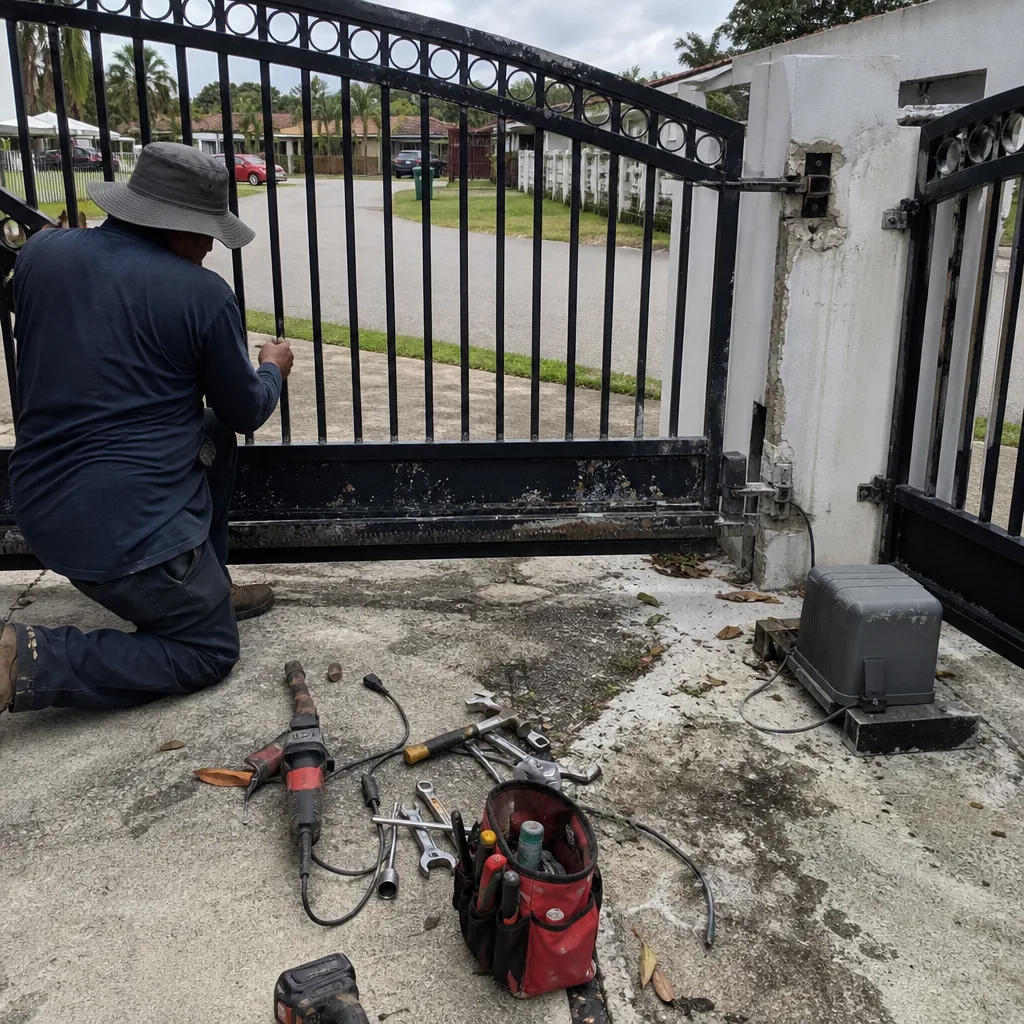 Before
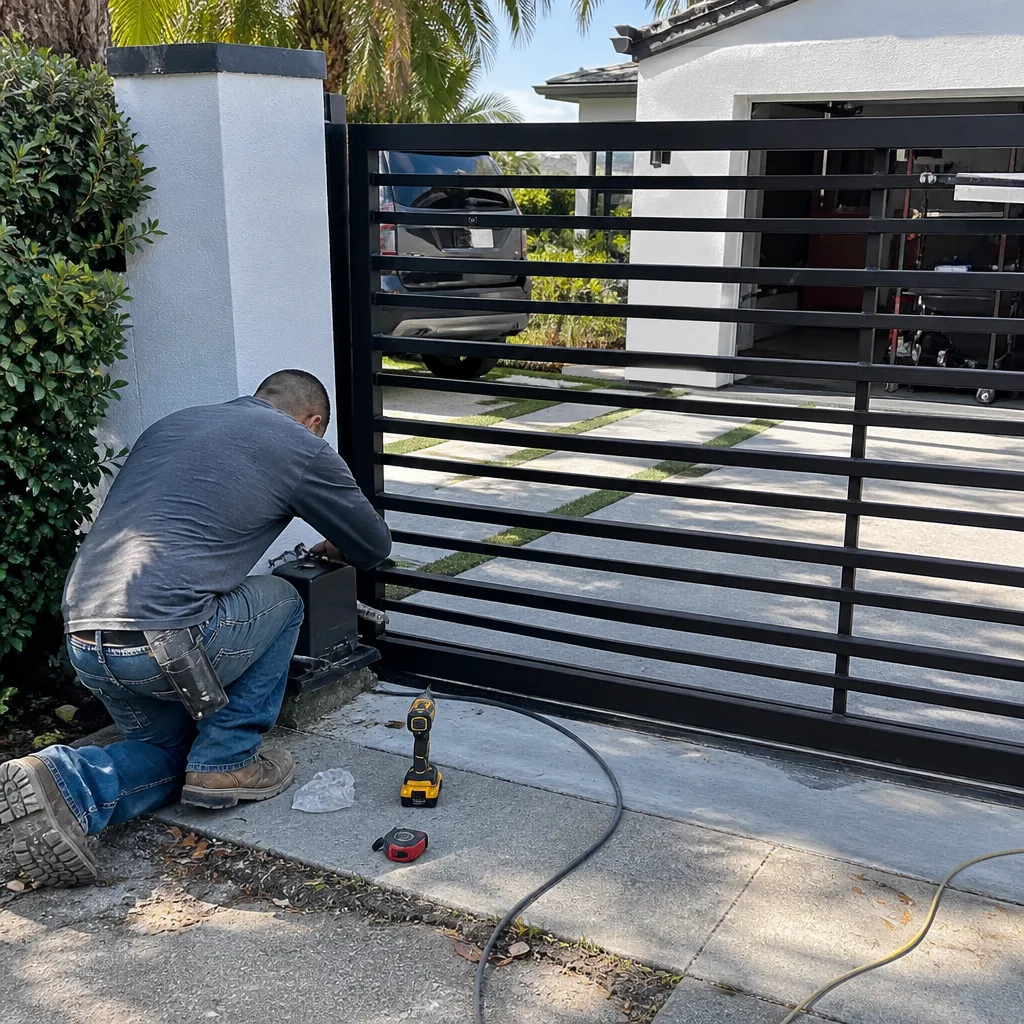 After
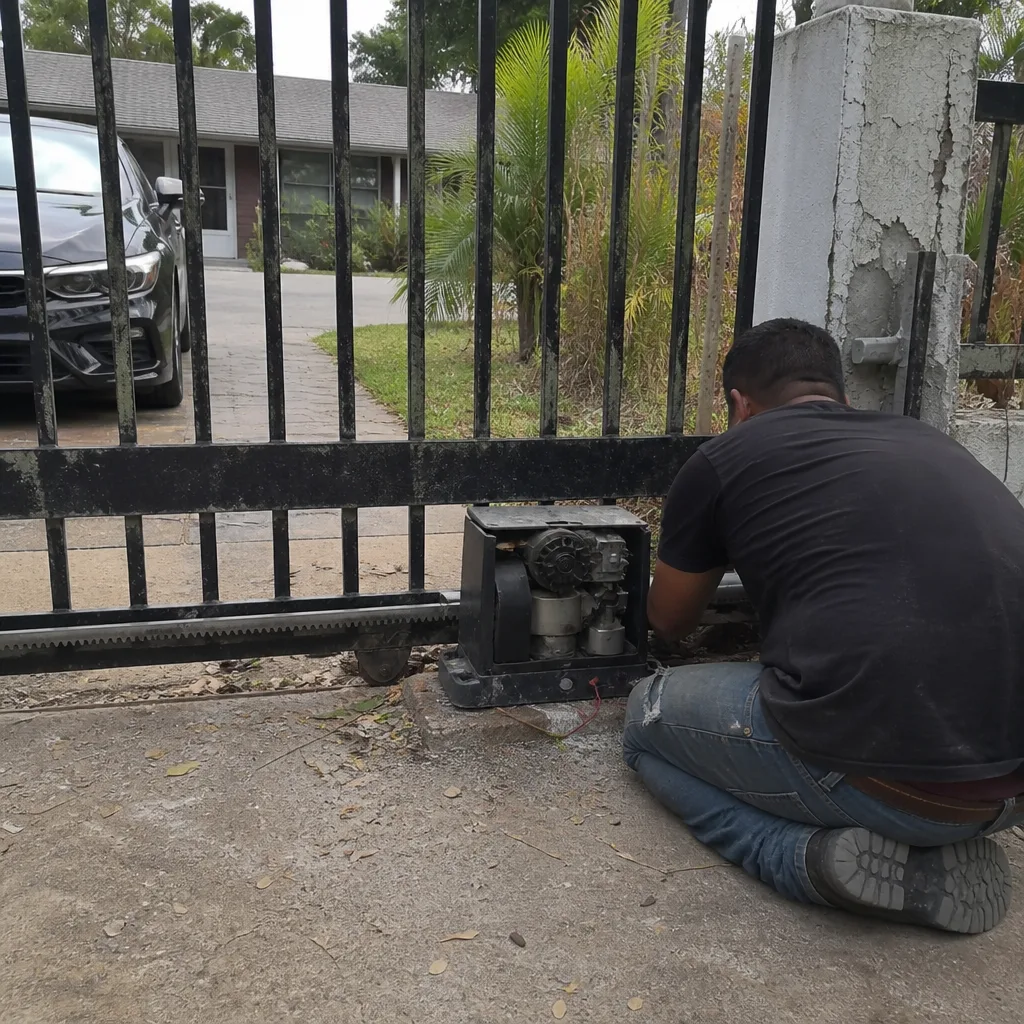 Before
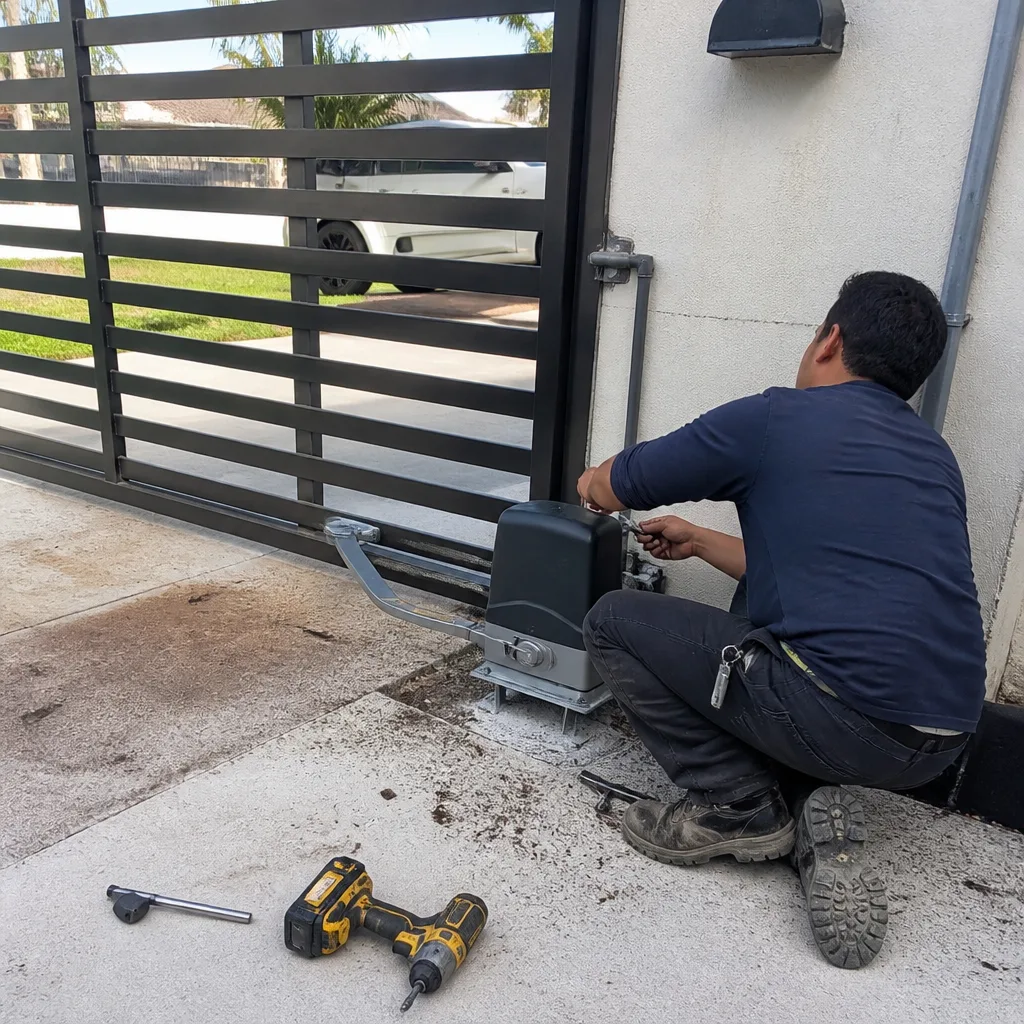 After
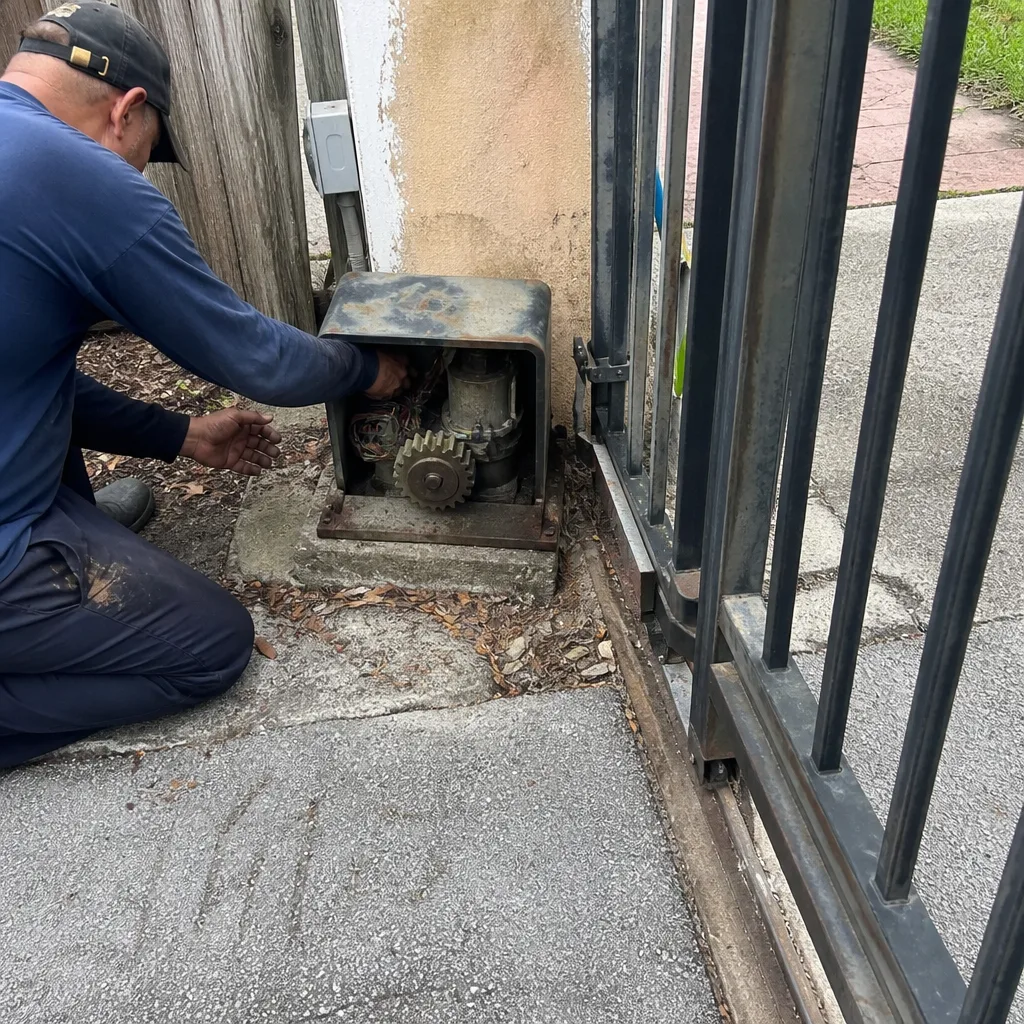 Before
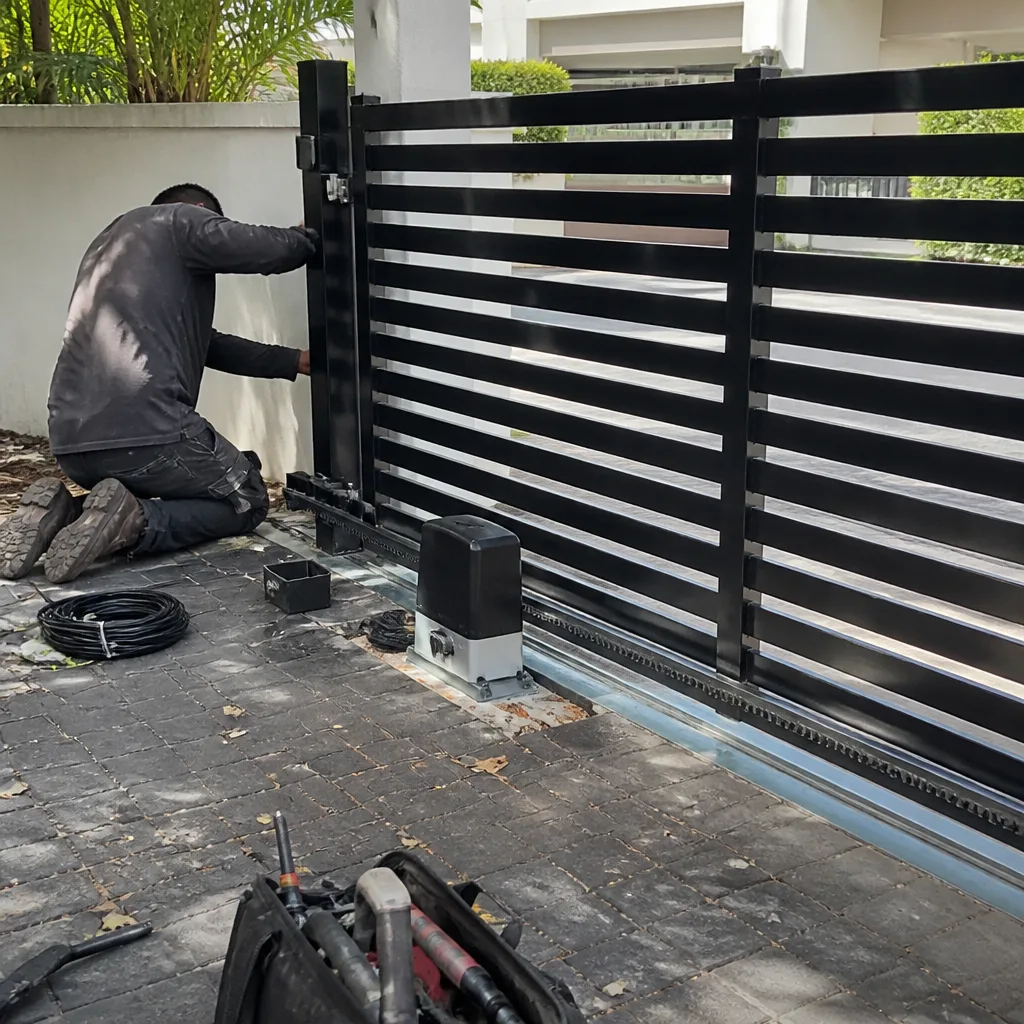 After
When to Call a Professional
Some gate maintenance items are safe for a homeowner with basic tools. Others are not. Call a professional when the gate shows structural sag that requires hinge replacement or welding; when the operator cabinet shows signs of water entry or condensation; when the gate fails to respond consistently to remotes, keypads, or safety sensors; when a weld cracks or a hinge pin seizes; or when an electric gate closes on an obstruction despite the photo-eyes being clean. These are situations where a failed DIY repair can result in a dangerous gate or worse. For Miami Gardens homeowners and property managers, Archway Gate Repair offers gate repair in Miami Gardens with free estimates. Call (855) 360-5306. We work on the brand already on your property, from LiftMaster to FAAC to Mighty Mule, and we approach every gate with a repair-first philosophy: diagnosed, not guessed.
Frequently Asked Questions
In Miami Gardens, perform the full maintenance checklist every 60 to 90 days, with additional inspections after tropical storms, heavy rain events, or any visible change in gate movement or sound. HOA and commercial gates with high daily cycle counts should be inspected every 30 days. The humidity and heat in Miami Gardens accelerate corrosion and component wear faster than the generic annual maintenance schedules you see on national gate guides.
Check the drain path at the base of each gate post first. Heavy rain in Miami Gardens saturates the soil, and if the weep holes or gravel channels are clogged, water pools inside the post and begins rusting it from the inside. Clear the drain path, then check the operator cabinet for signs of water entry, and then test the gate through a full cycle.
Routine gate maintenance in Miami Gardens, including lubrication, hinge inspection, drain path clearing, and a full system check, typically runs from $150 to $350 depending on the gate type and whether it’s a single residential gate or a commercial system with multiple components. Repairs found during maintenance are quoted separately, always before any work begins. Call (855) 360-5306 for an exact quote, estimates are free.
We handle urgent gate issues in Miami Gardens on the same day whenever possible, especially for stuck gates, gates that won’t close, or electric gates that have failed completely. A routine maintenance inspection can typically be scheduled within a few days. If your gate is stuck open or won’t close, treat it as an emergency and call (855) 360-5306 right away.
Use marine-grade corrosion inhibitor for hinge pins and hardware, dry-film PTFE lubricant for sliding gate tracks, and dielectric grease for electrical connections. Standard lithium grease breaks down in Miami’s sustained heat and attracts sand and grit, which accelerates hinge wear. Avoid WD-40 as a routine lubricant; it evaporates too quickly in this climate.
Yes. Electric gates in Miami Gardens require additional attention to the operator cabinet seal, conduit entry points, safety photo-eyes, and electrical connections, because moisture intrusion into those components causes the majority of electric gate failures in this climate. A manual gate can be maintained primarily with hinge and structural checks, but an electric gate needs its electrical system inspected at least every 60 days during hurricane season. If you’re unsure about the electrical side, our electric gate repair in Miami Gardens covers motors, control boards, safety loops, and wiring.
The decision comes down to three factors: the condition of the structural posts, the condition of the gate frame, and the condition of the operator. If the posts are solid and the frame is sound, repair is almost always the better financial choice. If the posts have rusted through at the base, or the frame has multiple failed welds, replacement may be more honest than patching. In Miami Gardens, we apply a repair-first philosophy: from the motor to the hinge, we look for the fix that makes sense. If a full replacement is the right move, our gate installation in Miami Gardens covers everything from the concrete footer to the final programming.
The Bottom Line
Gate maintenance in Miami Gardens is not a generic annual checklist. It’s a climate-specific routine that starts at the drain path at the base of the post, moves to the hinges and welds, extends to the operator wiring for moisture intrusion, and intensifies after every tropical system. The products that work here are marine-grade, because Miami’s heat and humidity punish everything else. The intervals that work here are every 60 to 90 days for residential gates and every 30 days for high-cycle HOA and commercial gates. We work on the gate and operator brand already on your property, from LiftMaster to FAAC to Elite. When you catch a problem at the maintenance stage, the fix is measured in hundreds of dollars, not thousands. When you wait for a failure, the math changes. Call Archway Gate Repair at (855) 360-5306 for a free estimate in Miami Gardens. Every price is quoted and agreed before any work begins.
Written by the team at Archway Gate Repair, serving Miami Gardens since 2011. For more guides & resources, visit our blog.